
2026 BOOKER PRIZE — Short list
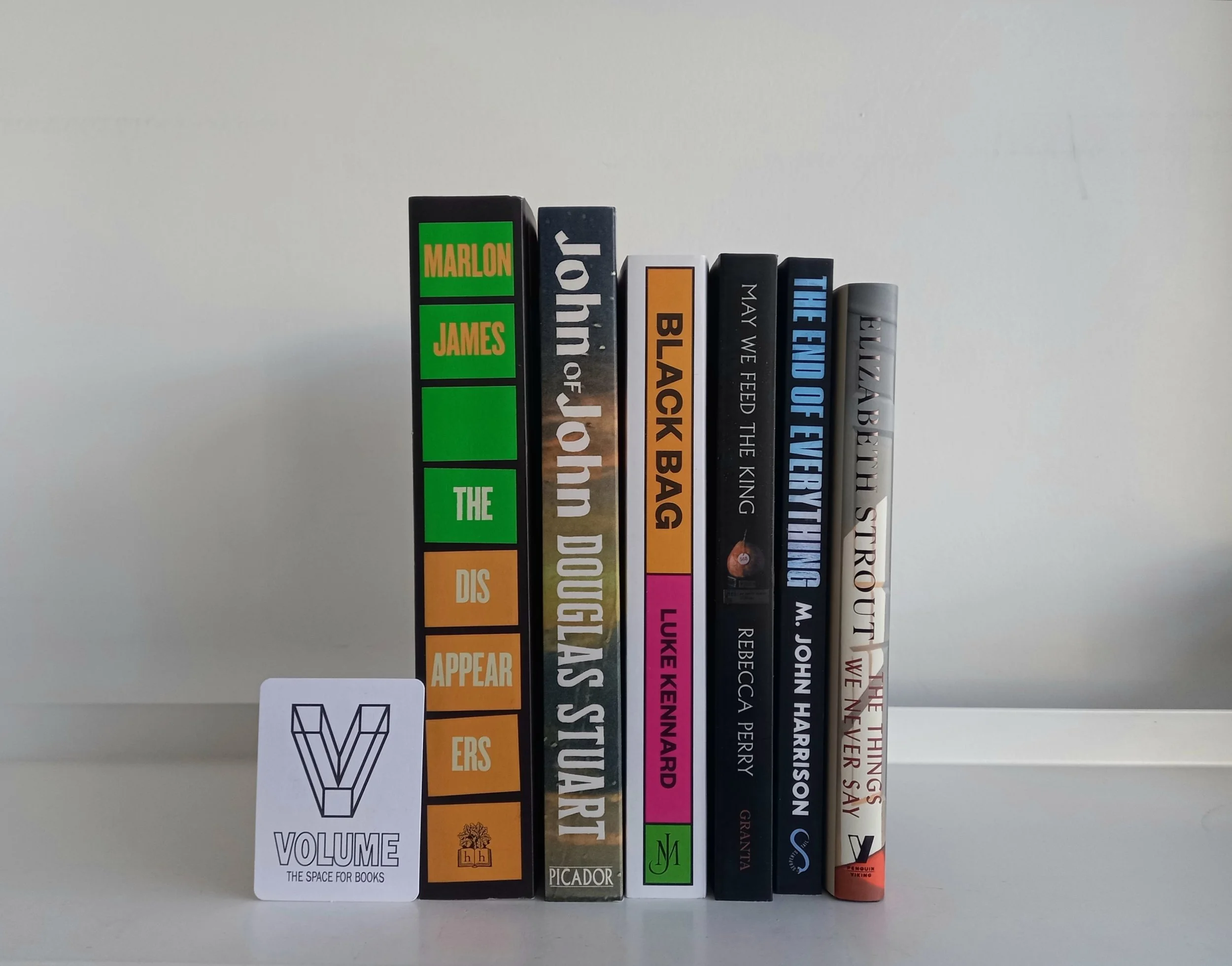
Read what the judges have to say about each of the books shortlisted for this year’s Booker Prize, then click through for your copies.
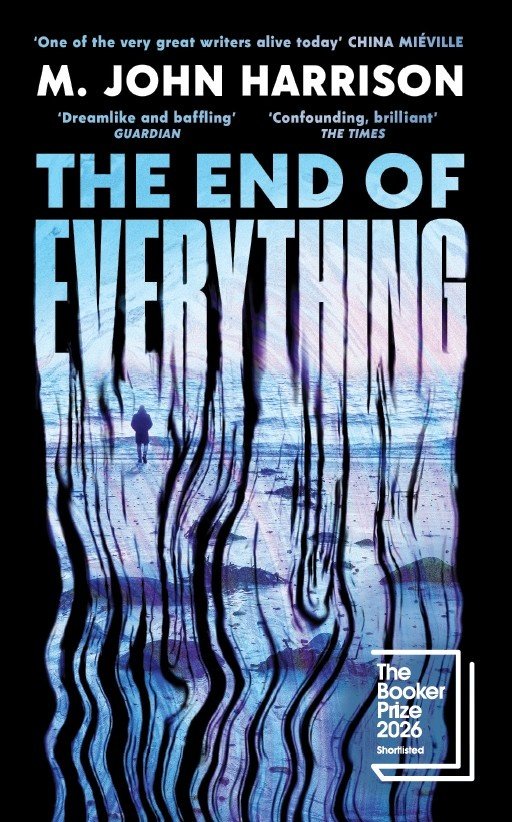
The End of Everything by M. John Harrison
‘Two beachcombers meet and exchange words at the intertidal; we are in Kent, and it is the near-future, but one that recognises itself to be in the middle of a catastrophe. The sky is glitching, and something strange, formless and growing is soon to come out of the sea, to imitate our speech, forms, and customs. Our left-behind inhabitants scavenge where and what they can, provisional alliances are made and broken, shocking violence occurs, and no one can agree on exactly what has happened. A book not just about everything but about now. Shimmering and oblique, it holds the reader to the surface of something very grave and deep.’
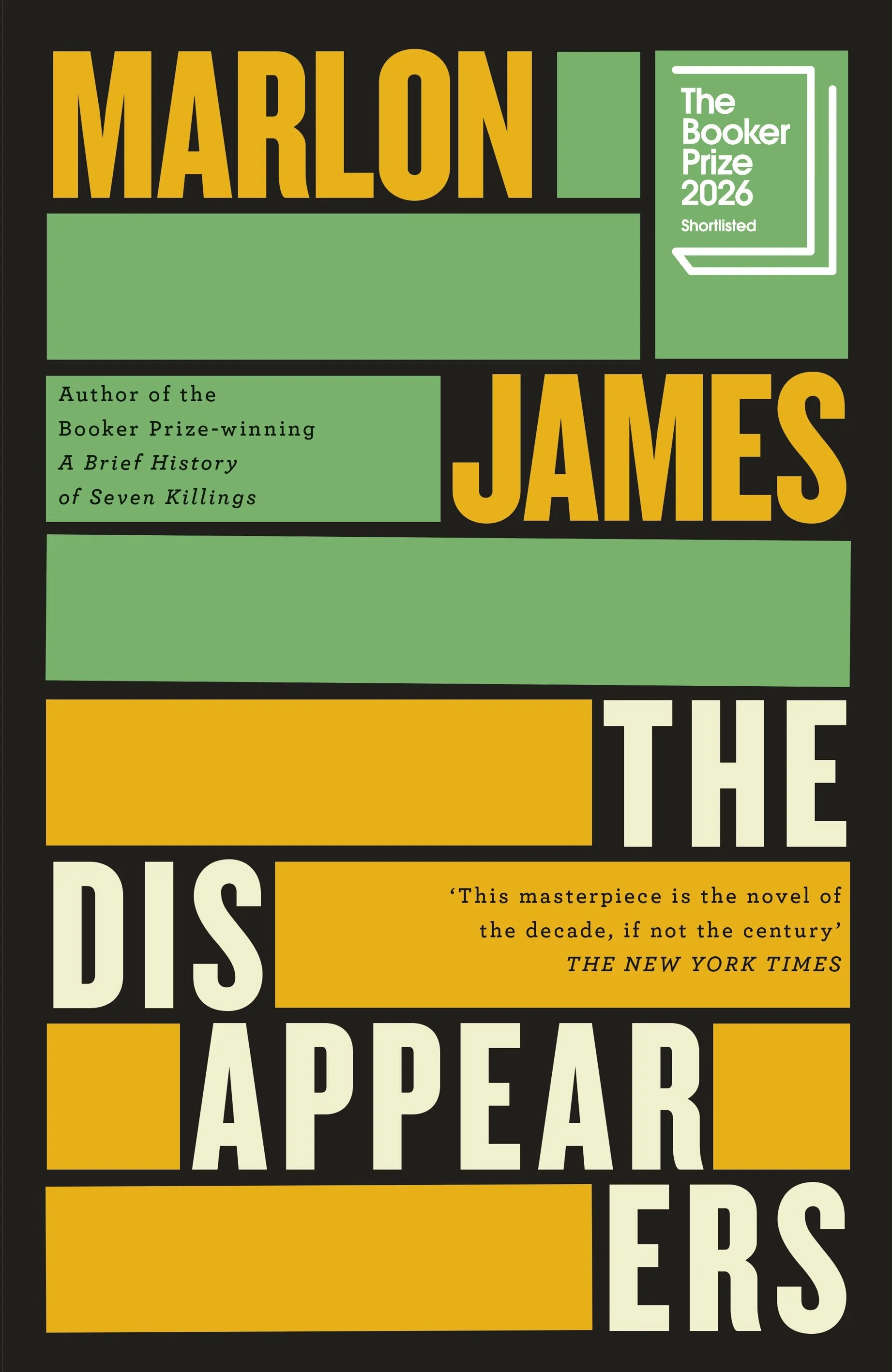
The Disappearers by Marlon James
‘The Disappearers is among Marlon James’s most ambitious and history-making works, a novel that examines territory Caribbean literature has rarely dared to occupy. Beginning in late 1980s Kingston, it follows eight male actors rehearsing what is billed as Jamaica’s first openly gay play. When the men become victims of brutal homophobic violence, the novel shifts register: in the years that follow, one survivor sets out to investigate the fates of the others, and what begins as a theatrical story becomes something closer to a reckoning. James is a singular literary talent. His dialogue is sharp and propulsive, his phrasing is poetic, visceral and capable of moving from the painful to the darkly hilarious within a single exchange. The Disappearers could be read as a long overdue, clear-eyed confrontation with Jamaican homophobia: unflinching in its honesty, but written with the full complexity and love of someone who knows the place and its contradictions from the inside.’
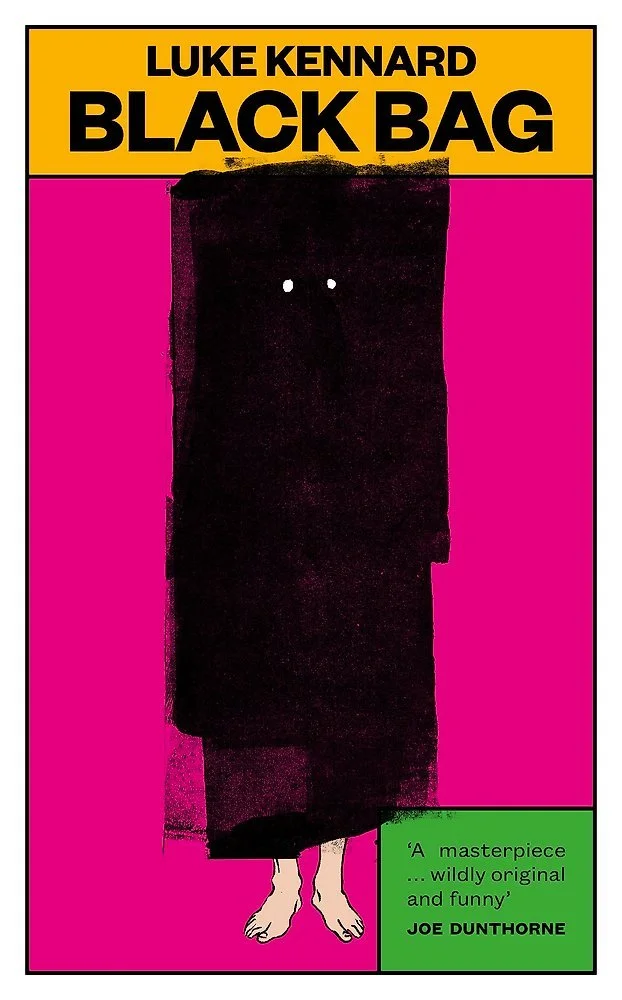
Black Bag by Luke Kennard
‘How does an aspiring actor survive in contemporary London, where monthly living costs can rise well over a thousand pounds? The obvious solution – be born rich – has eluded Black Bag’s protagonist, a 37-year-old man who cobbles together an artistically and financially unsatisfying life performing in productions that stretch and undermine the meaning of theatre. That is until he gets a job showing up to student psychology lectures dressed in a black bag. Luke Kennard’s of-the-moment satire considers anonymity and disgust, the online rackets of cryptocurrency and energy drinks, and what it means to find love in our unstable times. There’ll be a lot of discussion about what the novel has to say about the state of modern masculinity (fractious; confused) – we also admired its sharply crafted sentences, memorable sex scenes, and humour.’
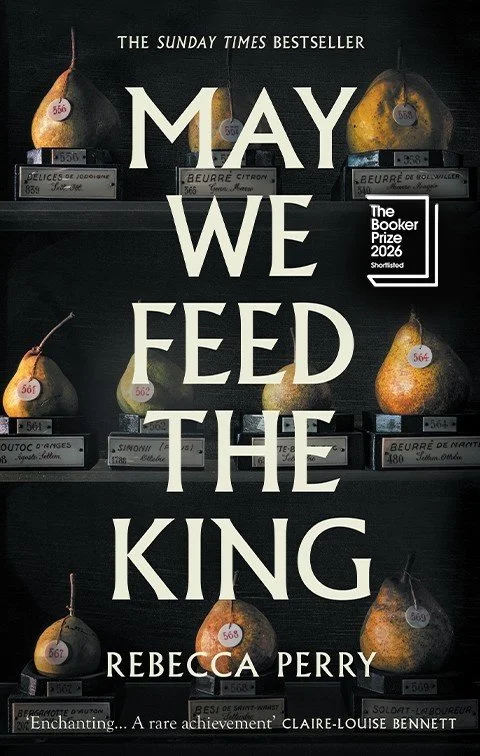
May We Feed the King by Rebecca Perry
‘Perry combines the story of a reserved museum curator who recreates historical banquets, using a careful array of fake pies and pomegranates – with the story of a medieval king, reluctant to occupy the throne (and possibly unfit for it anyway). It’s a wonderfully enticing, and eye-opening, combination of themes, woven together with an extraordinary delicacy of touch. You can’t read May We Feed the King without reflecting on the fragile boundary between the present and the past. What’s the difference between historical fiction and historical fact? Can history ever be a safe place we can go to escape the present?’
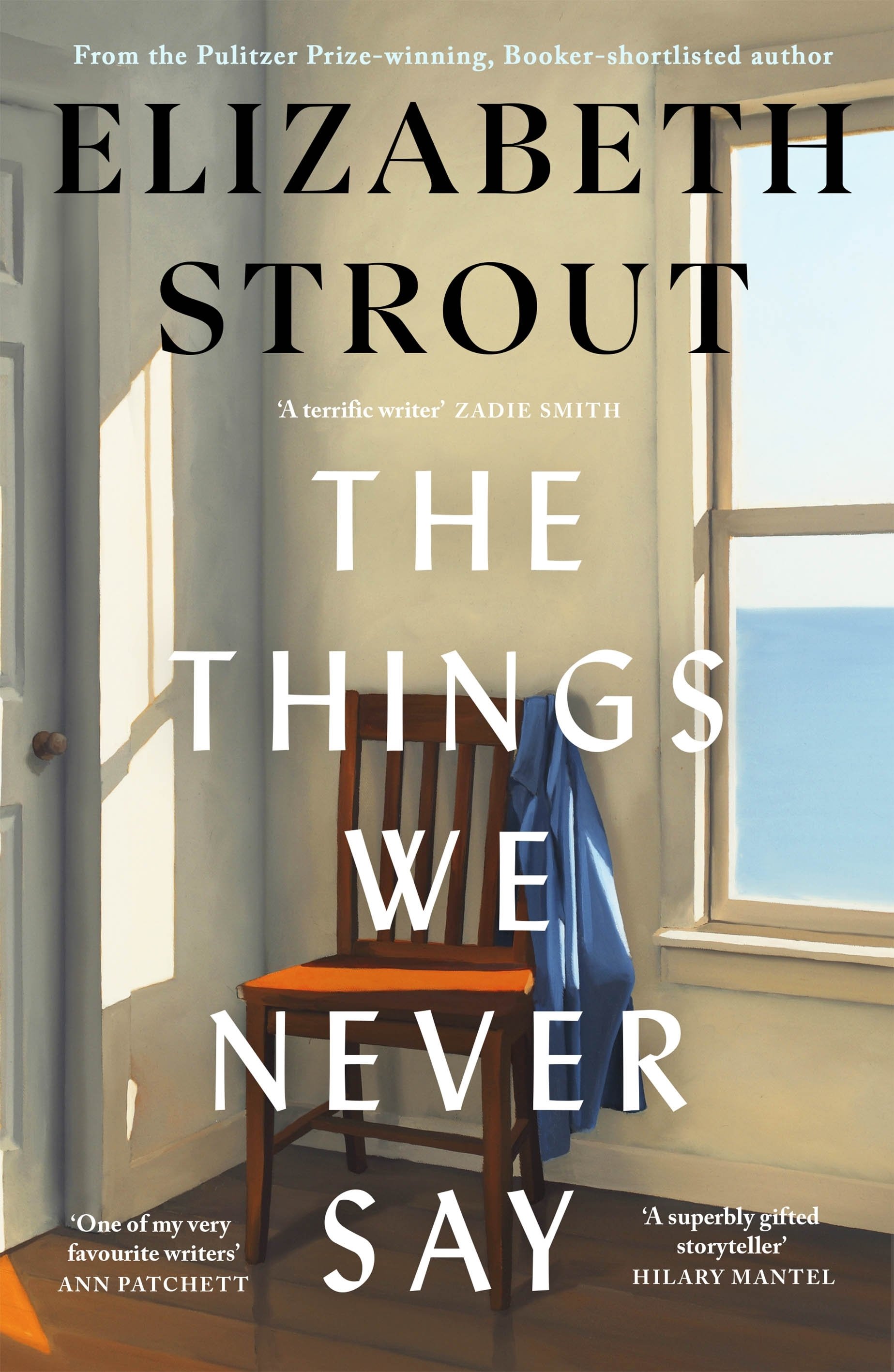
The Things We Never Say by Elizabeth Strout
‘Set in the contemporary United States, Strout’s novel focuses on Artie Dam, a 50-something high-school history teacher in a small coastal town with decent friends and wholesome hobbies. The Things We Never Say quietly unpicks all that, to show that the ordinary is not quite as ordinary as it might seem. Strout’s prose is about as far from a rant as you could imagine, brilliantly understated and all the more powerful for that. It’s a devastating look at the dangerous cracks in family life and in the contemporary world at large.’
John of John by Douglas Stuart
‘A 22-year-old arts student reluctantly returns from Edinburgh to his home on the Isle of Harris in Douglas Stuart’s third novel. We loved the rich, textural detail of the story, which is set in the 90s and examines young Cal’s fraught relationship with his domineering father. There’s a vivid sense of time and place, as the island becomes the site of bristling tensions between secret lovers, feuding families, and a stand-off between tradition and modernity. This excavation of family, violence, and shame is woven through with beautiful imagistic detail, and – unexpectedly but wonderfully – shades of hope.’