
BRAWLER by Lauren Groff — Review by Stella
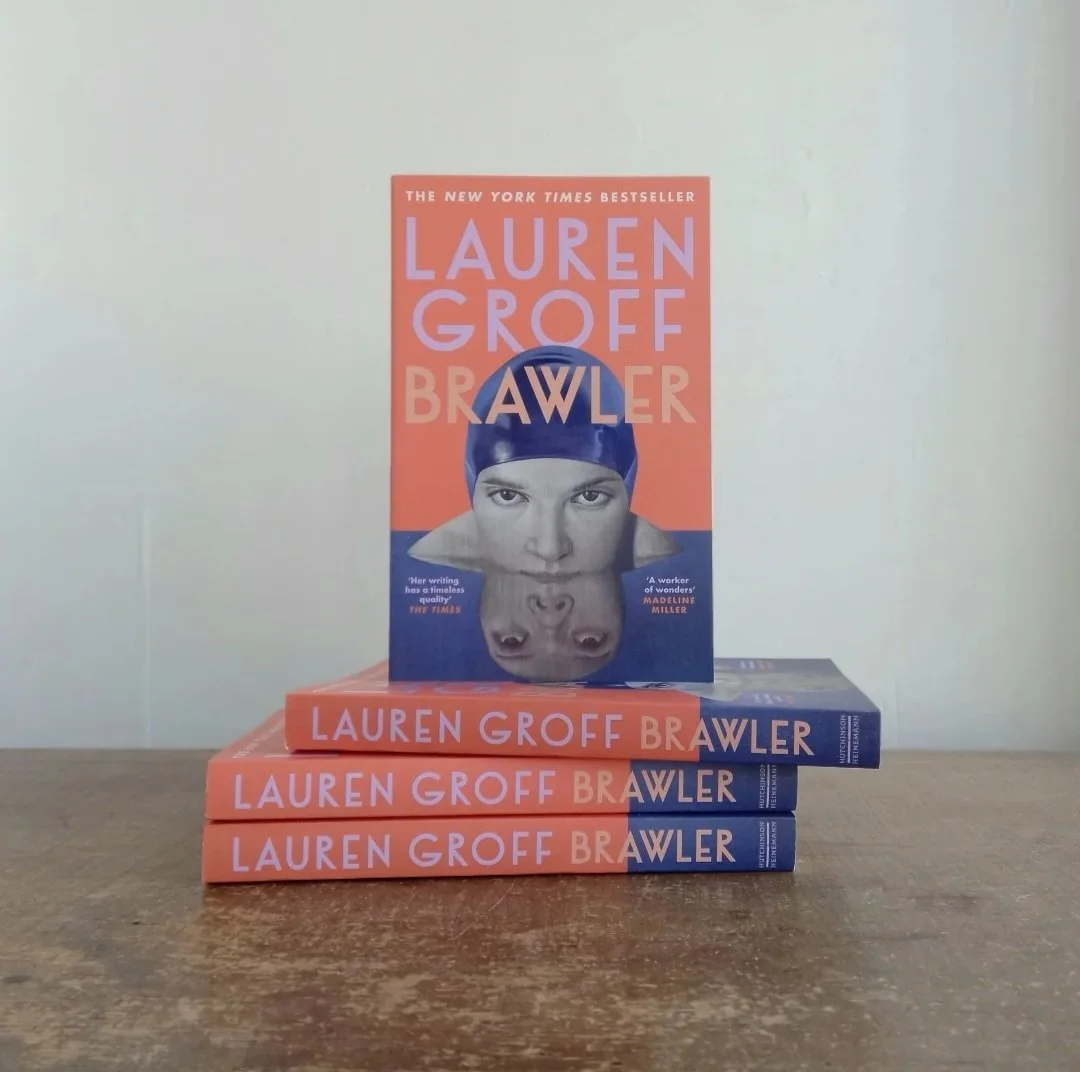
In a recent article Colm Tóibín writes on the mechanism of creating a short story, where a moment, a snippet of conversation, a chance encounter can be a trigger which, combined with memories and experiences, consciously or subconsciously, builds a whole around this small initial encounter. Lauren Groff is an excellent short story writer, who is seemingly able to pluck a moment, an idea or a character from the air and in a startling few sentences hook you, building a connection to the fate of the protagonist. I like Groff’s novels very much, (The Vaster Wilds was epic and beautiful) but I enjoy her short stories immensely. Her award-winning collection Florida was all seething swamp with its geophysical focus. Brawler is less geophysical in nature, although it does have some very specific touchpoints of place moving across various American states from New England to California. Its variety isn’t just in landscape but also across age and class, varying from the impoverished to the wealthy, the very young, with several child protagonists, as well as those in mid-life figuring prominently. The nine stories in Brawler focus, successfully, on the interior landscapes of their characters and how each reacts to circumstances, often but not always, forced on them. (Some of the protagonists make their own special hells.) What decisions will one make, and how will these decisions impact on others, especially those closest and dearest? The opening story, ‘The Wind’, is powerful. You are swept up in the narrative of a young child and their sibling as they navigate leaving home. There is a Hansel & Gretel moment as they quietly leave the house. There’s a gentle interlude, before you realise that violence underpins their actions. A violence at first abstract, before Groff shakes the very foundations you depend on, the ability to escape. It’s a story that explores trauma and its persistence as it reaches up through generations, resurfacing to cause chaos. In a recent interview Groff talks about rage, and defines it as a force for good if it’s laser-focused and if not, a miasma. For context, Lauren Groff lives in Florida, in a blue spot in the red state; and was a competitive swimmer. Many of the stories include swimming and water, the good and bad of it, from pleasurable immersion to the threat of flood, or the danger of the snow storm. The brilliant story ‘Brawler’ features a feisty teen, a brawler in every way, who is fearless in her high dives, but as we turn to her arrival home at the close of the story, she is powerless to help her mentally and physically unwell mother. Here our empathy is broken apart. Like many of the stories we are asked to question where our loyalties lie, and the answer isn’t always clear. Victims become perpetrators and vice versa, those we are wary or dismissive of gain our empathy. Ethical questions arise about what is good and what is bad, as we encounter situations that challenge our understanding and often, not always, leave us hanging with a question mark. ‘What’s the Time, Mr. Wolf?’ Is a perfect example of this quandary where we follow the boy, Chip, from childhood to middle age. The youngest sibling in a banking tycoon family, he has skimmed along on his family name and male-ness, never quite fitting, but getting by, despite the raw deal his mother and sister had been handed. While they’ve learnt to get by and succeed in their own wits, he’s not so competitively inclined. After a stint in the family bank he’s sent to the summer house to contemplate his future and dry out, although nobody really talks about the alcoholic tendencies within the family, nor the unspoken impact of the subtle violence of bullying that impregnates the interactions within this family. There is a flicker of hope, but will it be extinguished by the choices Chip makes? The nine stories in Brawler are incisive , pin-prickingly good, shocking in parts yet emotionally geared to make us sit up and see the desire in humans to do the right thing despite our fallibility. It explores the dark and light in all of us, and our battle to understand violence, to alleviate trauma, if we can — to draw on our compassion, even when this is an imperfect thing, in the aid of another, or to ensure our own survival.