
NEW RELEASES (13.4.26)
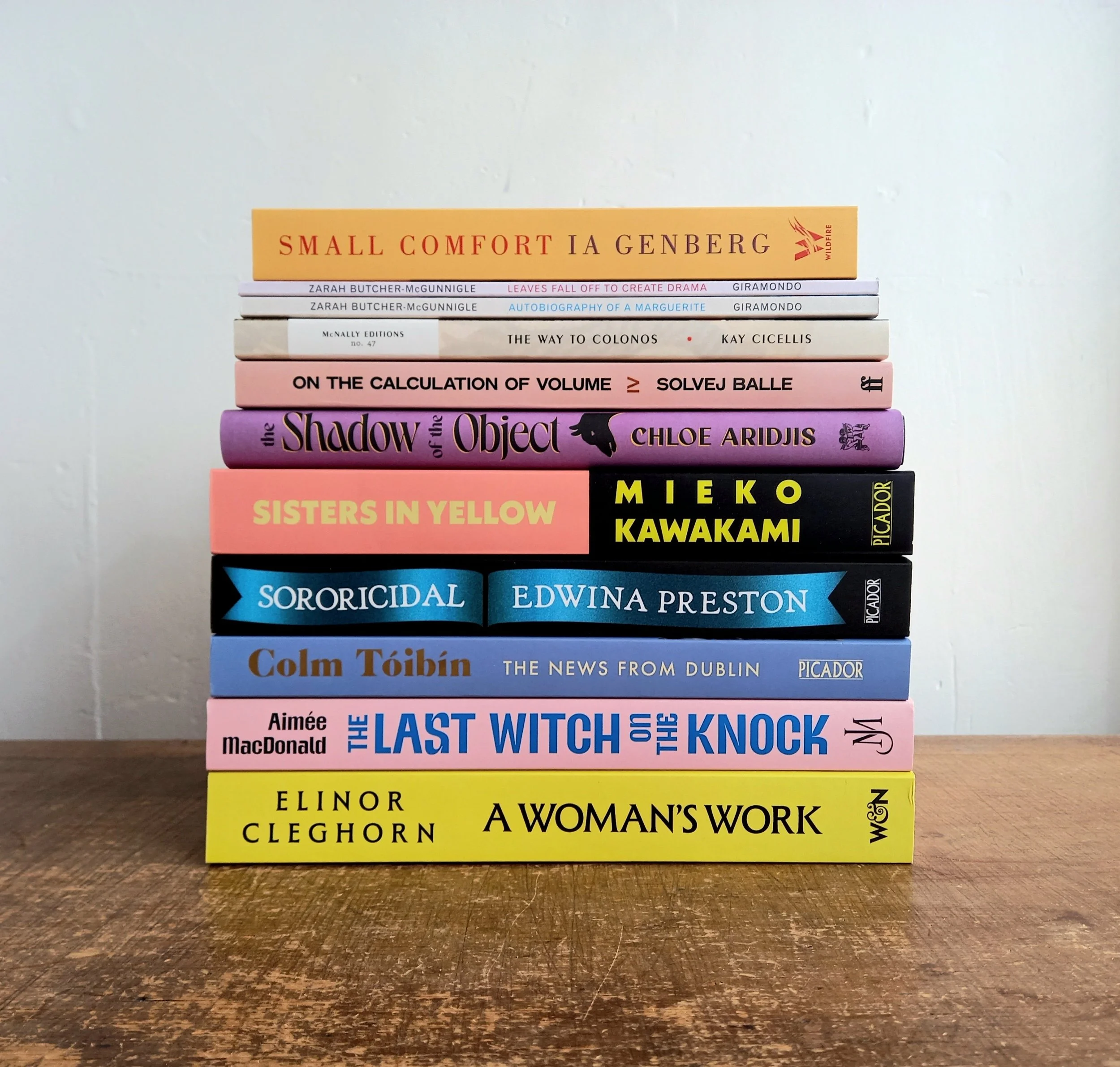
All your choices are good! Click through to our website (or just email us) to secure your copies. We will dispatch your books by overnight courier or have them ready to collect from our door in Church Street, Whakatū.
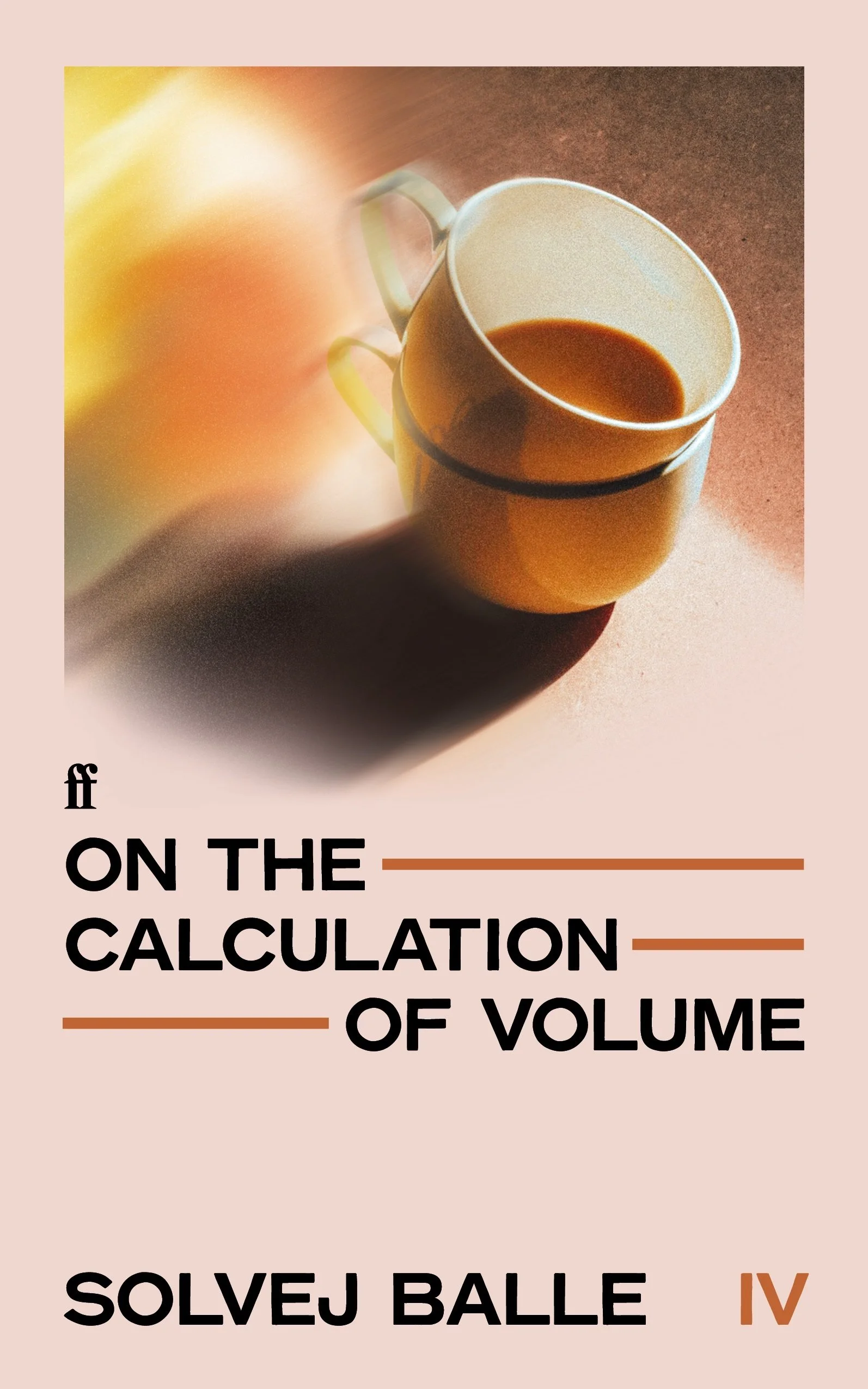
On the Calculation of Volume IV by Solvej Balle (translated from Danish by Sophia Hersi Smith and Jennifer Russell) $33
We're a little more than halfway through Balle's hypnotic, monumental seven-volume novel about a woman set adrift within the walls of November 18th. Balle's riveting project continues to wring ever more fascinating dimensions from time and its hapless, mortal captives. In Book III we saw the addition of a handful of new characters to Tara's world — fellow travelers within November 18th — and now Book IV heralds the arrival of many others, and soon to be even more, roaming uncertainly through the same November day. Could this be the first stirrings of an alternative civilisation? The big house in Bremen turns into the headquarters for this growing group of time-trapped individuals. But who are they and what has happened to them? Are they loopers, repeaters, or returners? A brilliant modern spin on the myth of Babel in the Book of Genesis, Book IV asks urgent questions, concerning the naming of things, of people, and of the functions of language itself-must a social movement have a common language in order to exist? Snatches of conversation, argument, and late-night chatter crowd onto the pages of Tara's notebooks. Amid the buzz and excitement of a new social order coming into being, Book IV ends with a sudden, unexpected, and tantalizing cliffhanger that no one — not even Tara, our steady cataloguer and cartographer of the endless November day — could have foreseen. [Paperback]
”Absolutely, absolutely incredible.” —Karl Ove Knausgård
”A total explosion.” —Nicole Krauss
”Unforgettable.” —Hernan Díaz
”Breathtaking.” —Chetna Maroo
”Brilliant.” —Jon McGregor
”Absolutely marvellous.” —Lauren Groff
>>Bleeding in the dishes.
>>The New Directions edition of this volume is due later this week, if you prefer that.
>>All the volumes so far.
>>Read our reviews of the first volume.
>>Read Thomas’s review of the second volume.
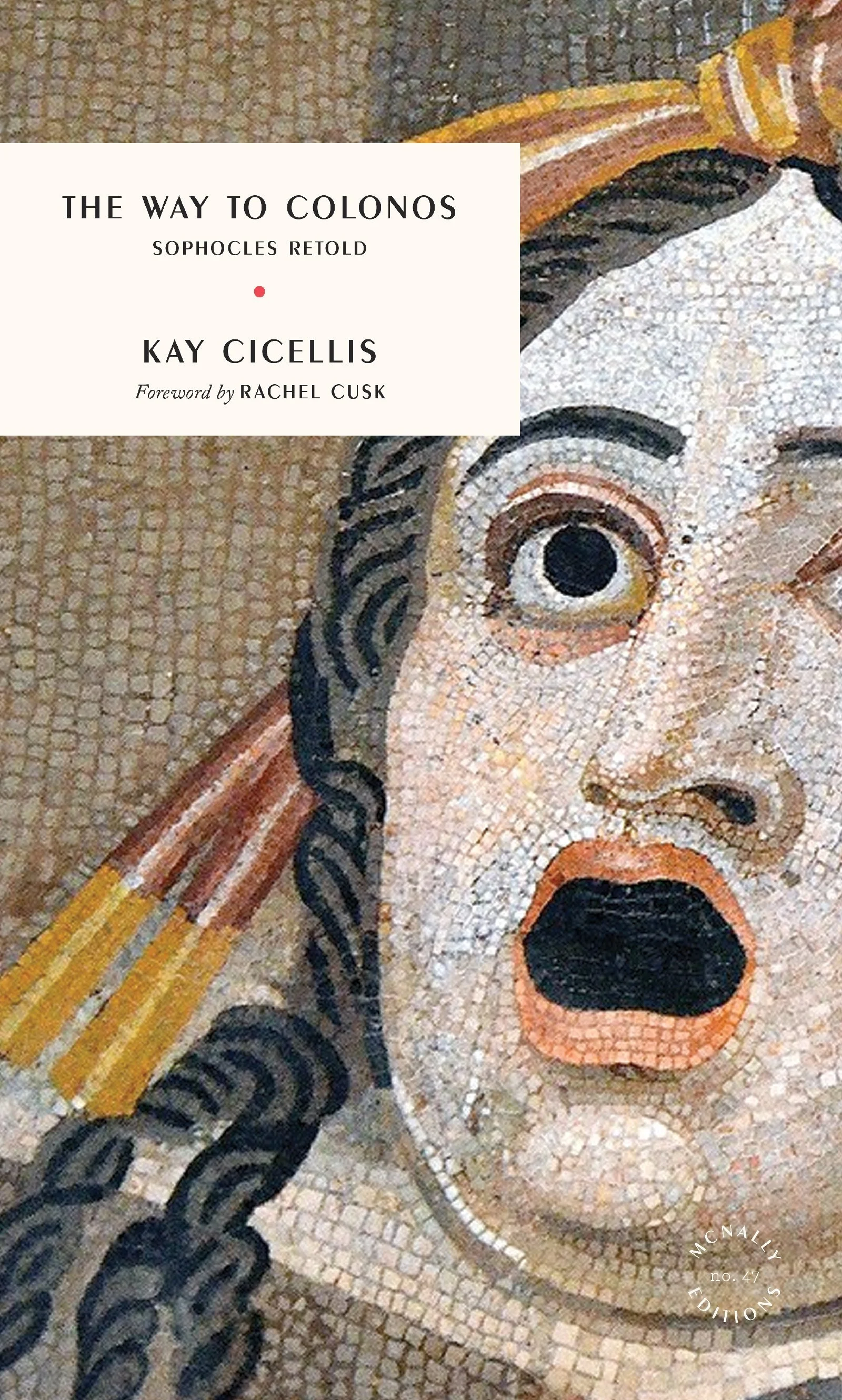
The Way to Colonos: Sophocles retold by Kay Cicellis $38
First published in 1961, The Way to Colonos recasts three seminal plays by Sophocles into tales of modern women and warfare, probing their characters with savage intimacy. Antigone — a stylish woman in her thirties —wheeling her father, Oedipus, onto the ferry to Colonos, is disgusted by his self-absorption, guilt, and evasions. A suburban Electra dreams of a bloody confrontation with her mother, Clytemnestra, that may never come to pass. Philoctetes, a castaway soldier, navigates shifting allegiances in a guerrilla war that divided Greece after World War II. As Rachel Cusk writes in her foreword to this new edition, Cicellis was a woman before her time, whose work-written in English, her second language, offers particularly "shocking insight into the secret lives of young women" and is only now "free to reach readers with an appetite for female artistic authority, who wish to see the world through sharp fresh eyes. … The book is written in an ageless prose that instantly strikes the reader as the work of a master." [Paperback with French flaps]
>>Myths of meaning.
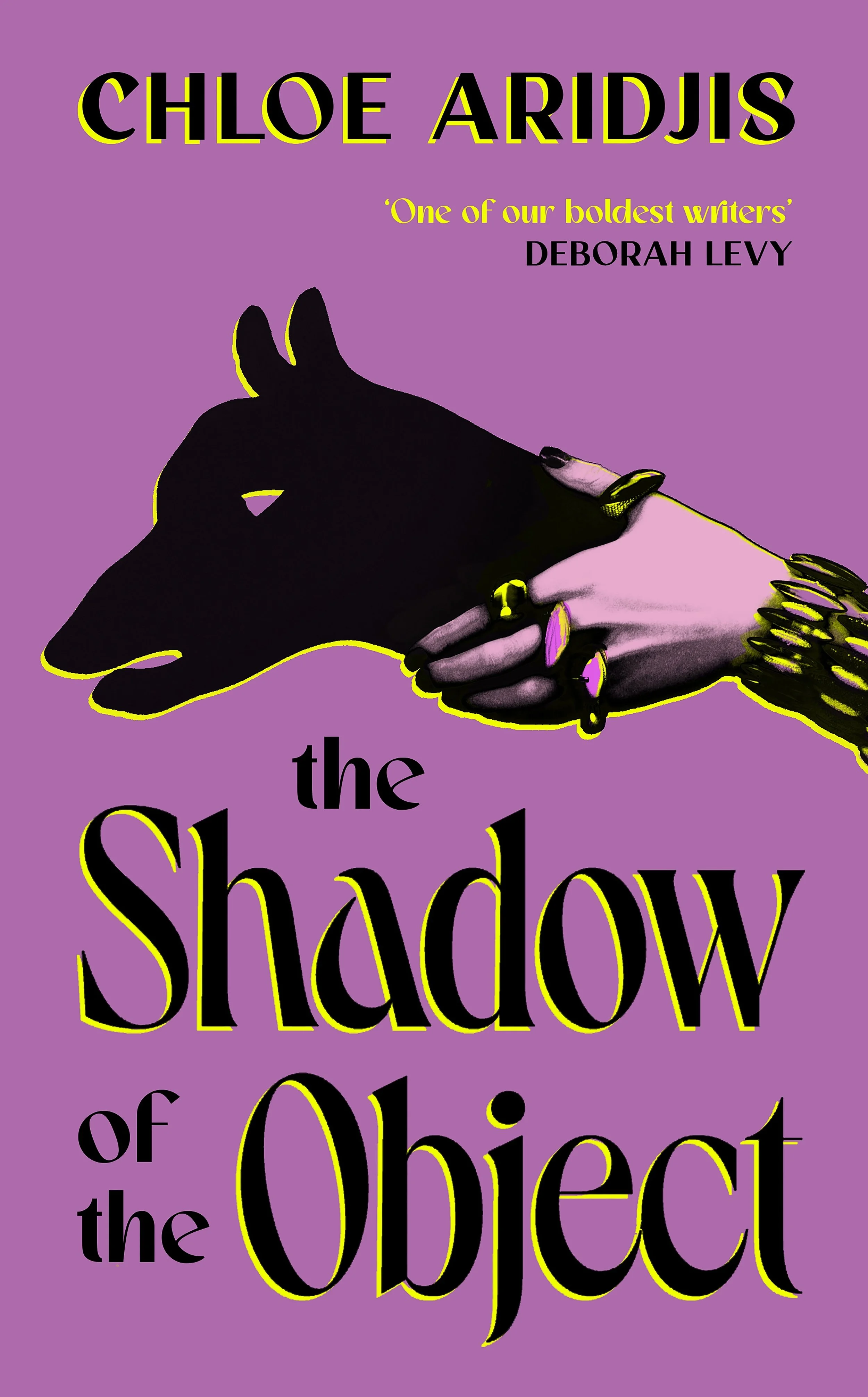
The Shadow of the Object by Chloe Aridjis $38
A magnificent work of shadow-play and a meditation on desire, metamorphosis and mortality. Flora is visiting home in Mexico when the family dog leaps up and bites her hand. She winds up in hospital where she undergoes several surgeries under anaesthesia and meets Wilhelmina, an elderly German woman with pneumonia, who collects pre-cinema toys and instruments. The two of them embark on a series of dream-like conversations in the hospital corridors. Wilhelmina puts on a magic lantern show for Flora, leaving her spellbound. When things take an unexpected turn, Flora finds herself entrusted with an important mission. She returns to London, where she resumes her job polishing silver at a jewellery shop, and strikes up a strange friendship with Wilhelmina's son, Max. As Flora dips in and out of her imagination, she is increasingly aware it's not only the magic lantern that projects, and her perception of reality is subtly altered. [Hardback]
”Chloe Aridjis is a revolutionary who is quietly changing the whole novel form. She is mining the richest seam in the vast field of fiction and coming up with gold. Her radiantly lyrical and intelligent writing is thrilling to read.” —Neel Mukherjee
”Clandestine, compassionate, and ever so slightly off-kilter, Chloe Aridjis's magnificent sleight of hand reshuffles the novel and places before us a beautiful and mischievous magic lantern of a book that casts out a multitude of unforgettable scenes, while shining a steady granular light on the hidden depths of the human psyche.” —Claire-Louise Bennett
”In the world The Shadow of the Object brings to light — now sharply focused, now only uncertainly defined — Chloe Aridjis patiently layers signs and symbols into a resonant network. A beautiful, eerie, grief-haunted novel.” —Chris Power
”With The Shadow of the Object Aridjis cements her status as the laureate of the peripatetic — of all that's serendipitous, strange, improbable and, for these very reasons, true.” —Tom McCarthy
”The politics of her prose is existential rather than anecdotal, as it was with Kafka's.” —Zadie Smith
”A subtle and courageous writer.” —Ali Smith
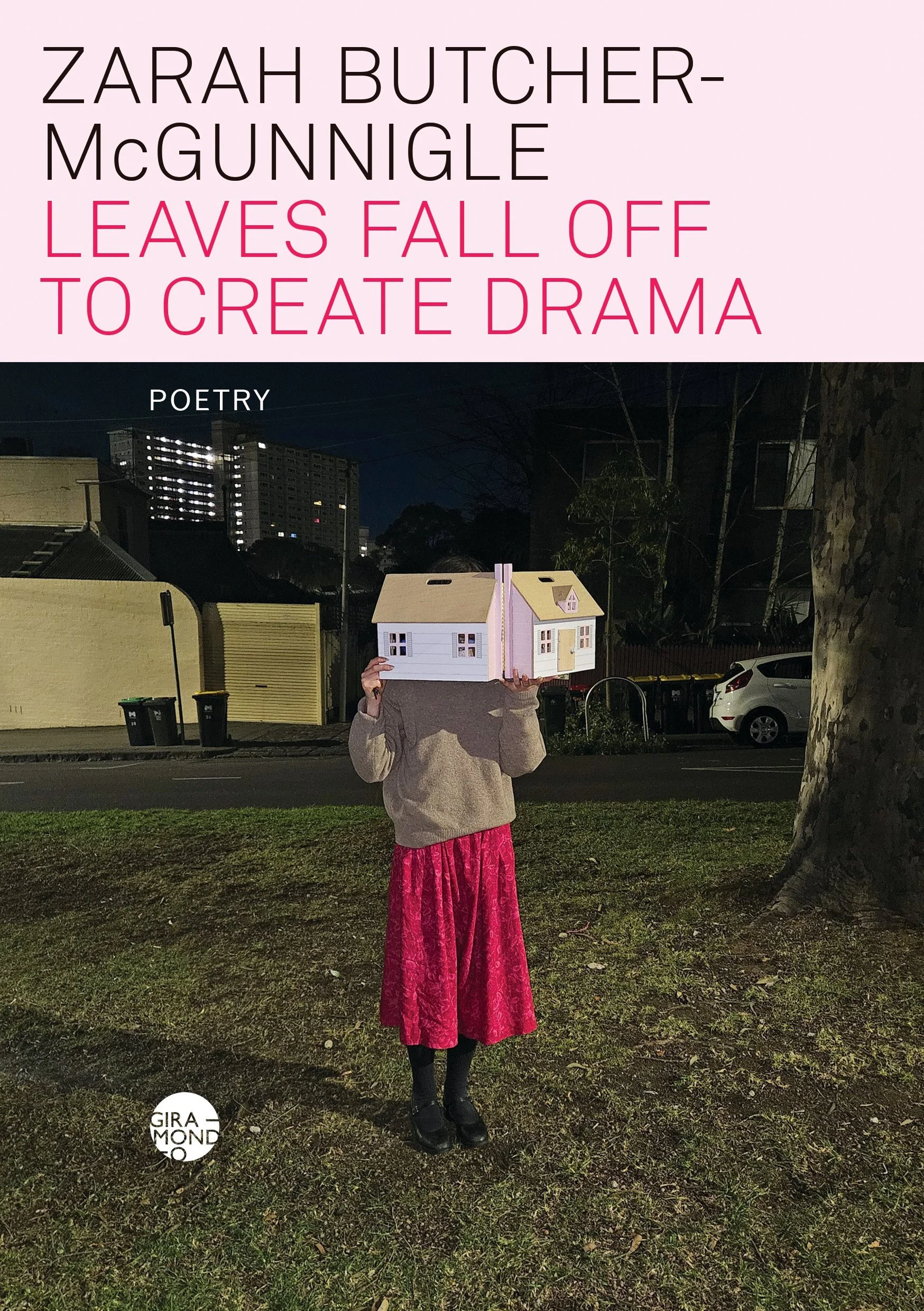
Leaves Fall Off to Create Drama by Zarah Butcher-McGunnigle $30
Zarah Butcher-McGunnigle's Leaves Fall Off to Create Drama is a collection of prose poems that invites the reader to consider the relationships between internalised beliefs and the development of illness, drawing on psychology texts and the language of self-help, and the exploration of character traits and dramatic tropes. What are the appropriate emotions. Even with a map, it was difficult to determine. An ache which means let go. If she didn't have the thought, she wouldn't have the feeling. Wheels fall off to create drama. Through shifting frames of reference, wordplay, aphorism, and inversions, the poems reform, unfold and rebound to create a collage of melancholy and comic transformations. One thing leads to a mother. Butcher-McGunnigle's poems explore the relationship between unexamined subconscious thinking and physical and mental health, resisting singular, fixed meanings and inviting the reader to reflect on their own experiences. [Paperback]
"These poems are compressed and layered like paper folded to its tightest square. Here is an exquisite restraint that feels almost brutal, that always manages to surprise. This book has a rare force." — Sholto Buck
"Butcher-McGunnigle transforms malady into force; a leaf in a whirlwind, splitting memory from frame…this collection forms a prelude to her stunning body of work." —Autumn Royal
"Leaves Fall Off to Create Drama is a prequel to Zarah Butcher-McGunnigle’s catalogue, one that enriches all you’ve read from her before. Bleakness and a light touch. It all comes back. I read it in one sitting and it felt like being spelled." —Hollen Singleton
”Butcher-McGunnigle’s work is fulll of moments that, to me, are perfect — consummately whole, exactly right, every element in glowering harmony, as densely fixed as a neutron star." —Ursula Robinson-Shaw, Sydney Review of Books
"Butcher-McGunnigle is compulsively readable, hilarious, wonderful — a master of the whiplash turn, the dark plunge." —Ashleigh Young
>>Read an excerpt.
>>About the writing of this book.
>>Read Thomas’s review of Nostalgia Has Ruined My Life.
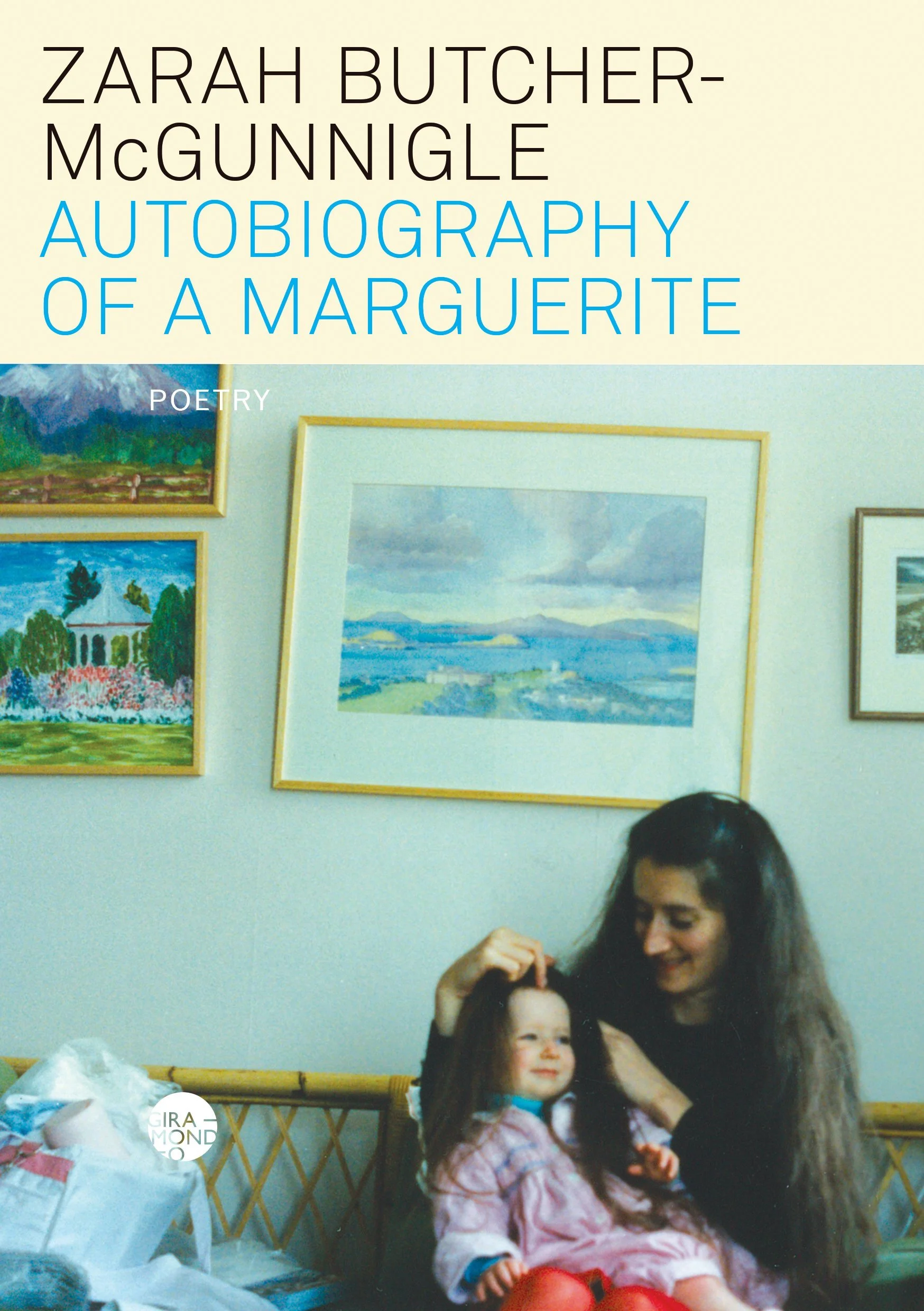
Autobiography of a Marguerite by Zarah Butcher-McGunnigle $33
We are made up of stories, but which ones belong to us? What are the boundaries between our bodies and the outside world? Autobiography of a Marguerite is a profound, book-length poetic work about chronic illness, family dysfunction, and identity, and how they can shape one another. The narrator struggles with the effects of her autoimmune illness, and struggles to separate herself from her troubled mother. A doctor tells the narrator that there is 'no cause and no cure' to her ailment, but the book attempts to explore how familial environments might contribute to the development of ill health. Butcher-McGunnigle's experimentation with form overlapping voices, footnotes, fragments, found text and photographs illustrate the struggle for autonomy and a sense of self, the repressed grief of chronic illness and its disruptive effect on the sufferer's sense of time's passage. The poems make visible the often-hidden experience of disability, and the reader becomes both a witness and an actor, piecing together a narrative that challenges what an autobiography can be. New edition. [Paperback]
"Recursive, clear-eyed and flatly funny, Zarah Butcher-McGunnigle captures here all the strangeness, fragility and wry sufferings of a young life." —Jessica Au
"Like nothing else you’ll encounter. A meditation on pain and illness made strange by close proximity, a child and parent leaking into each other. Butcher-McGunnigle has developed a brand new way of creating story to make this stunning work possible." —Pip Adam
”One of the most innovative New Zealand books published in recent years.” —Siobhan Harvey, Booknotes
”Astonishing. This poetry is unlike anything I have seen.” —Paula Green
”A grand achievement. The writing goes to the aching heart of disconnection and of longing for repair. Butcher-McGunnigle has created a crooked beauty out of shards.” —Sue Wootton, Takahe
>>Read an excerpt.
>>A note from the author about the book.
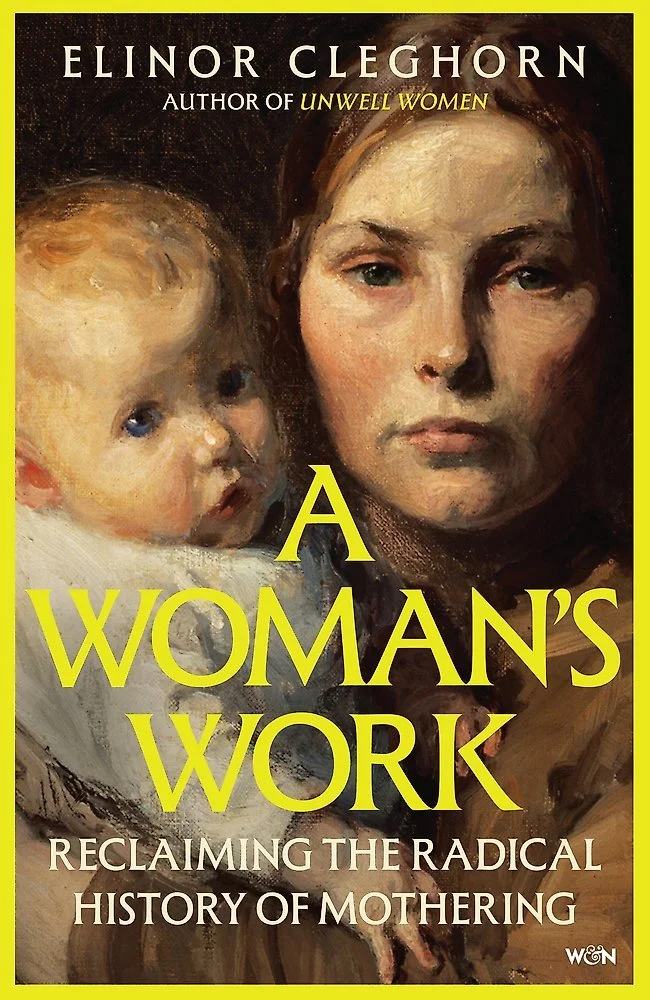
A Woman’s Work: Reclaiming the radical history of mothering by Elinor Cleghorn $40
Mothers make history. Yet for centuries, patriarchal control of motherhood has relegated acts of growing, birthing, nurturing and loving children to the sidelines, deeming the work of mothering to be unworthy of historical enquiry. In A Woman's Work, Elinor Cleghorn retells the story of motherhood, showcasing the mothers, othermothers, midwives, activists, and community leaders who have shaped the course of history. These inspiring figures include Hildegard of Bingen, the medieval nun and mystic with pioneering views about the maternal body; Mary Wollstonecraft, who laid the intellectual groundwork to release motherhood from male control; and Sojourner Truth, who drew attention to the abhorrent treatment of mothers under chattel slavery. Beginning in the ancient world, we learn how each era constructed its own idealised notion of motherhood — from the misogynistic dogma of the early church and the stigmatisation of single mothers in 17th century England, all the way through to the post-war myth of the perfectly contented housewife. But we also learn how mothers of all classes and circumstances fought back, and lobbied to be valued, respected and supported — not as reproductive vessels, but as people. From the author of Unwell Women, A Woman's Work is a bold and radical new history of mothering, and a timely reminder that the fight for reproductive justice is far from over. [Paperback]
>>The horrors persist.
>>Women aren’t the solution to an aging population.
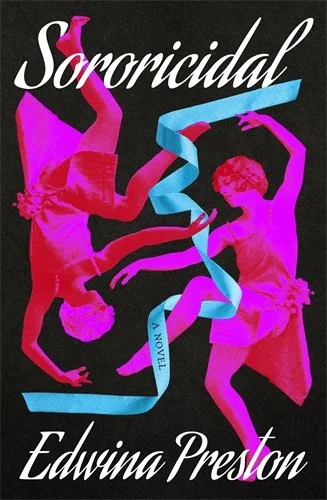
Sororicidal by Edwina Preston $38
A punk-gothic historical novel in which sisterhood is the defining experience of two women's lives — and also the potential death of them. Well-born Mary and Margot are raised on a vineyard estate above Adelaide in the early years of the last century. Mary, brilliant and beautiful, dazzles all as her quiet, serious sister trails in her shadow. But Mary's high-handed malice finds a match in Margot's growing resentment at mistreatment; her revenge will be served at absolute zero. Set against a backdrop of privilege and propriety — and unfolding in an era of global conflict and radical new ideas about art and female agency — Sororicidal is an account of Edwardian-era sisterly love that mutates into a very modern tale of rivalry and betrayal. The polite cruelty of their childhood games becomes adult battles where the endgame is to split the nuclear family, releasing utter devastation. Sororicidal is the story of womanhood across a convulsive century — and the ordinary lives of two sisters who remain inextricably linked across a lifetime: as mirrors, rivals, and executioners of one another's dreams. It is a novel about the necessary and unendurable entanglements of family; the thin, volatile line between care and spite; and how love is a flame that both feeds and consumes. [Paperback]
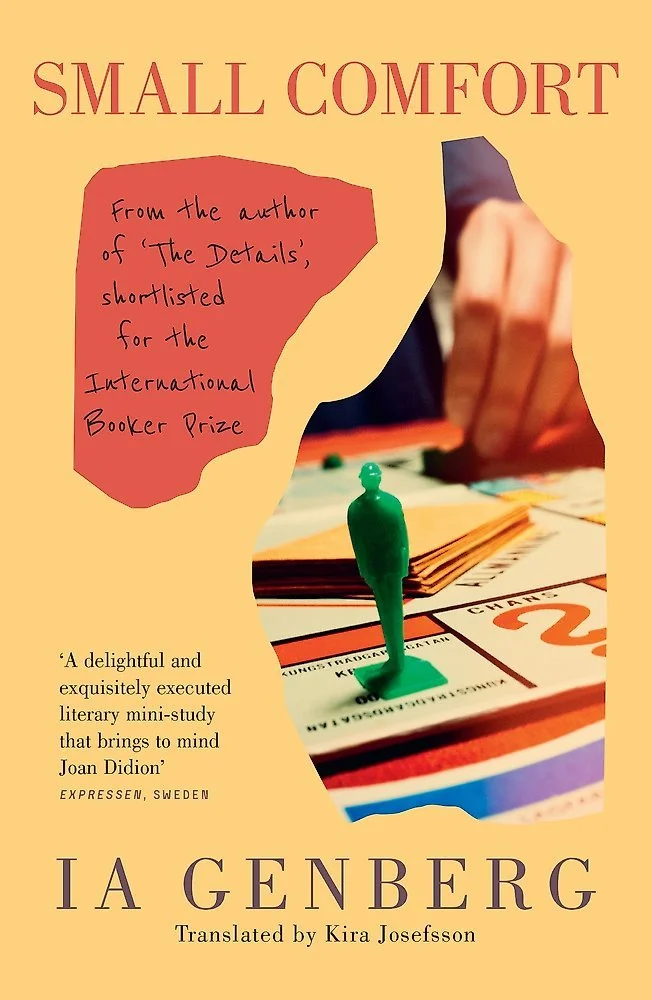
Small Comfort by Ia Genberg (translated from Swedish by Kira Josefsson) $28
Intricately built and wickedly humorous, this is a novel in five parts, all about one thing: money. From an interview with a child star turned thief to the mysterious death of an employee at a drug manufacturer — or the couple feigning married bliss to keep their inheritance, Small Comfort carefully unravels the value we place on both money and people. What does it really mean to be in debt to someone? How does our financial worth permeate the ways we think and feel? And what do we lose when we supposedly win? Small Comfort skewers its characters, slyly implicating the reader along the way. [Paperback]
”Money makes the world go round and Ia Genberg has a deep, clear-eyed vision of how. The dramatic distinctness of the five stories that make up Small Comfort speaks to the might of Genberg's imaginative powers, while the intricate threads tying them together are testament to her subtleness as a thinker. It couldn't work without Kira Josefsson's staggeringly flexible translation, which also stands out for the naturalness of its dialogue and wonderfully rhythmic prose. This duo's writing zings and smarts in all the right places as we see ourselves reflected in the characters, warts and all. Breathtakingly original, profound but with a delicious dose of irreverence.” —2026 International Booker Prize judges’ citation
>>Read an extract.
>>Not the way it was planned.
>>Other books listed for the 2026 International Booker Prize.
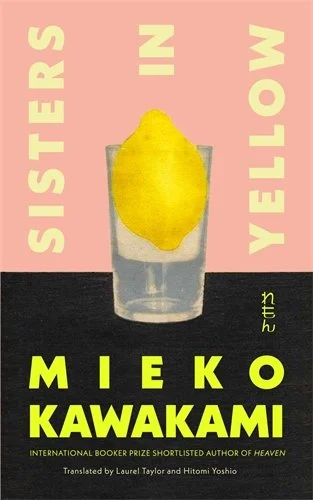
Sisters in Yellow by Mieko Kawakami (translated from Japanese by Laurel Taylor and Hitomi Yoshio) $38
Hana has nothing but she's hopeful. She's fifteen years old. She lives in a tiny apartment in a suburb of Tokyo with her young mother, a hostess at a local dive bar. They have no money, no security. Then Kimiko appears. Kimiko is older, a bright light in Hana's dark world. Together they set up Lemon, a bar that caters to hostesses and their marks, small-time crooks, men with low morals and deep pockets, and anyone down on their luck. Suddenly Hana has a job she loves, friends to share her days with, and the glittering promise of money. She feels like a normal girl. She feels invincible. But in the seedy streets of Setagaya, nothing is as it seems. Soon all of Hana's hope, her optimism, and her drive, will be tested to the limit. Twenty years later, Kimiko is on trial. Now Hana must wrestle with her own actions, and face their devastating consequences. [Paperback]
”I can never forget the sense of pure astonishment I felt when I first read Mieko Kawakami.” —Haruki Murakami
”Mieko Kawakami is a genius.” —Naoise Dolan
>>Sisterhood, survival, and finding hope in the darkness.”
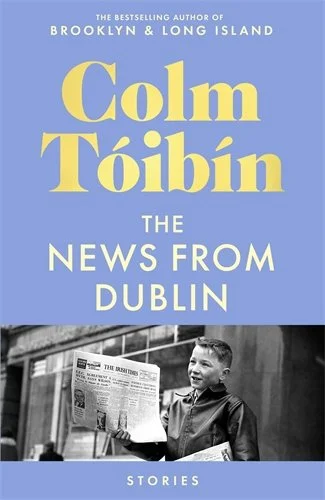
The News from Dublin by Colm Tóibín $32
In the stories collected in The News from Dublin Colm Tóibín delves into the days and nights of those living far from home. A woman in Galway hears of the death of her son in the First World War. An Irishman seeks anonymity in Barcelona, haunted by crimes he has committed. A man goes to Dublin from Enniscorthy to implore the Minister for Health for a special favour. A young woman is pregnant during the Spanish Civil War. An undocumented worker finds himself living an illegal life and must leave San Francisco, and his child, after thirty years in America. Three sisters who have been living in Argentina decide to return to Catalonia. [Paperback]
”Tóibín is the consummate cartographer of the private self, summoning with restrained acuity (and a delicious streak of sly humour) the thoughts his characters struggle to find words for.” —Clare Clark, Guardian
>>A complex business.
>>How evil is tolerated.
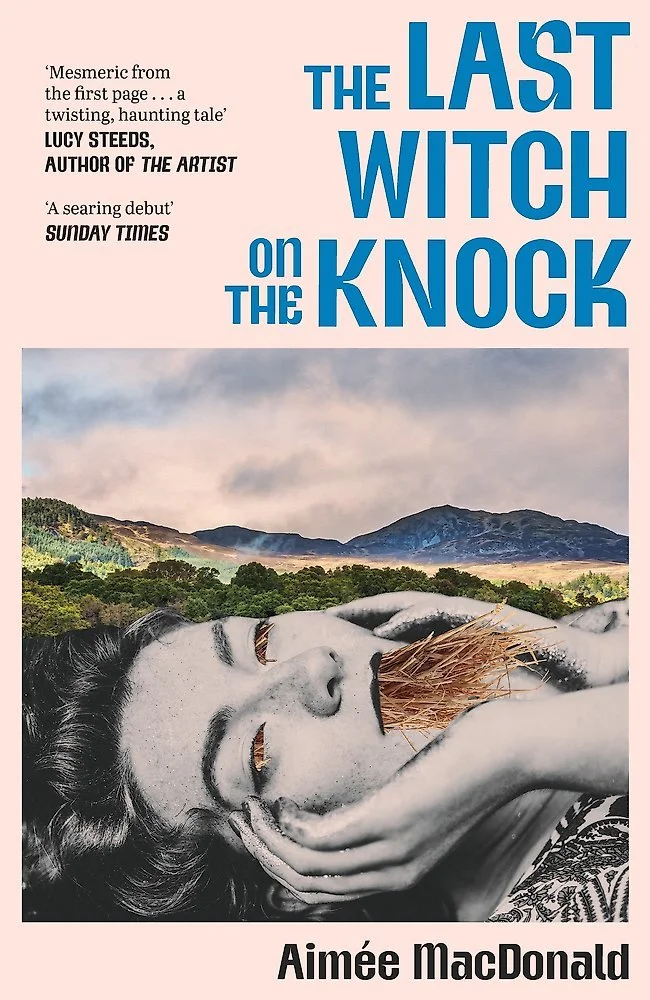
The Last Witch on the Knock by Aimée MacDonald $38
”Wouldn't you rather be a witch than a victim? I didn't realise those were my only options.” In need of a fresh start, Thomasin leaves her toxic boyfriend, absent father and empty friendships to spend the summer in the Scottish Highlands with her eccentric Aunt Agnes and stern little cousin, Nina. But amidst the sprawling fields and ragged hills thrums a secret that has cursed the land for generations. 300 years earlier, Kate McNiven labours in The Big House by the Knock hill, wishing for a brighter future far away from the lecherous clutches of her master, the Laird. When she is exiled as a witch for refusing to succumb to his advances, Kate finds the escape she so desperately seeks in Thomasin, whose vulnerable body becomes her unwilling host. In the thin place between centuries, through a pulsing wound that bleeds out history, the truth of the past is finally ready to be revealed. [Paperback]
”Tense, harsh and haunting, The Last Witch on the Knock explores toxic relationships in myriad ways. Through a blend of body horror and poetic insight, Aimee creates a compelling tale.” —Lynsey May
”A lyrical exploration of identity and shared trauma, reminding readers of the power of folk. MacDonald's writing is unflinchingly visceral.” —Amy Twigg
”Mesmeric from the first page. A twisting, haunting tale where the present thrums with the bloody heartbeat of the past. MacDonald's prose is poetic and sharp.” —Lucy Steeds
”The Last Witch on the Knock does witches differently; here, a feral, intimate honesty lights the pyres.” —Charlotte Tierney