NEW RELEASES (24.9.26)
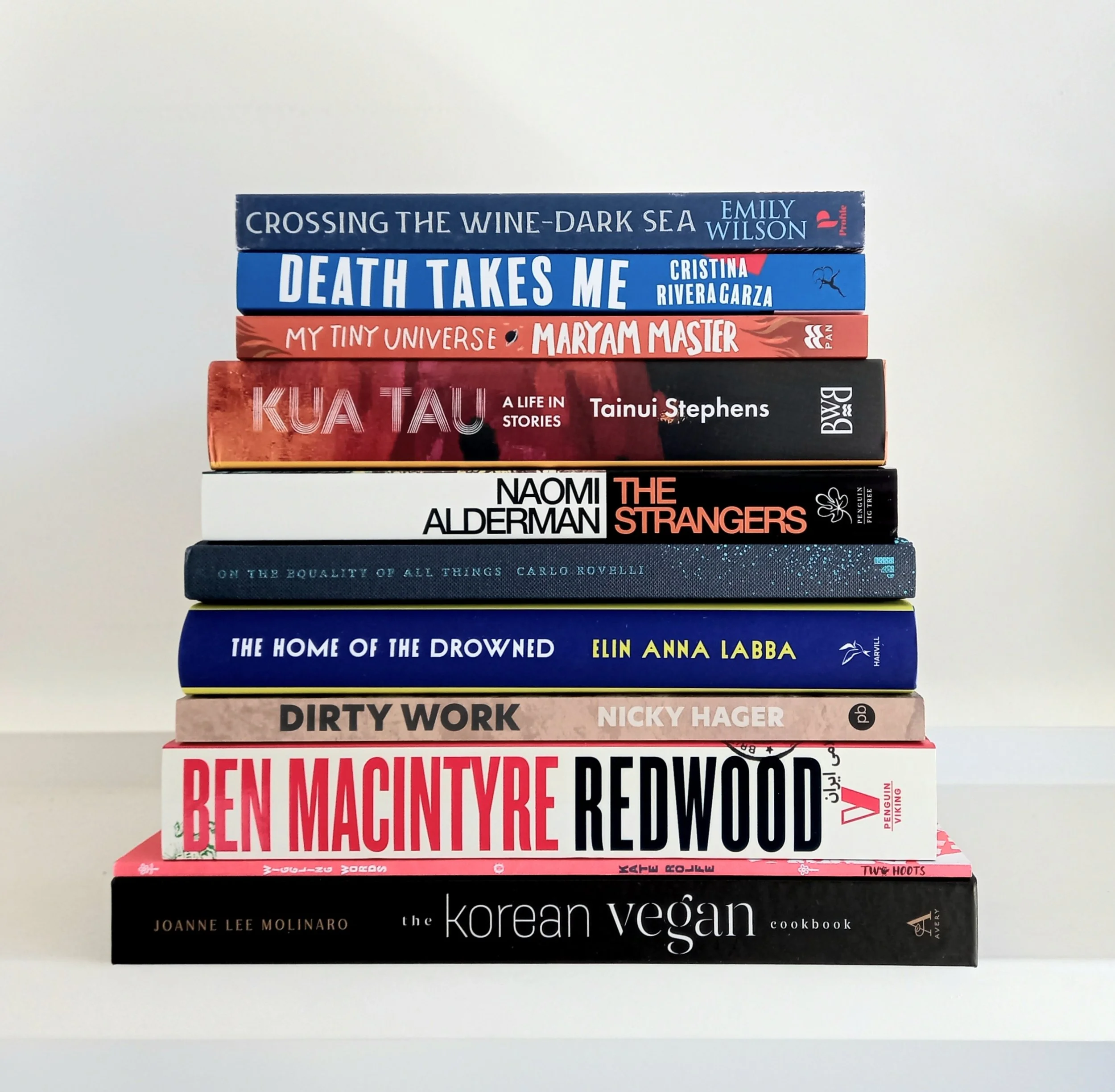
All your choices are good! Click through to our website (or just email us) to secure your copies. We will dispatch your books by overnight courier or have them ready to collect from our door in Church Street, Whakatū.
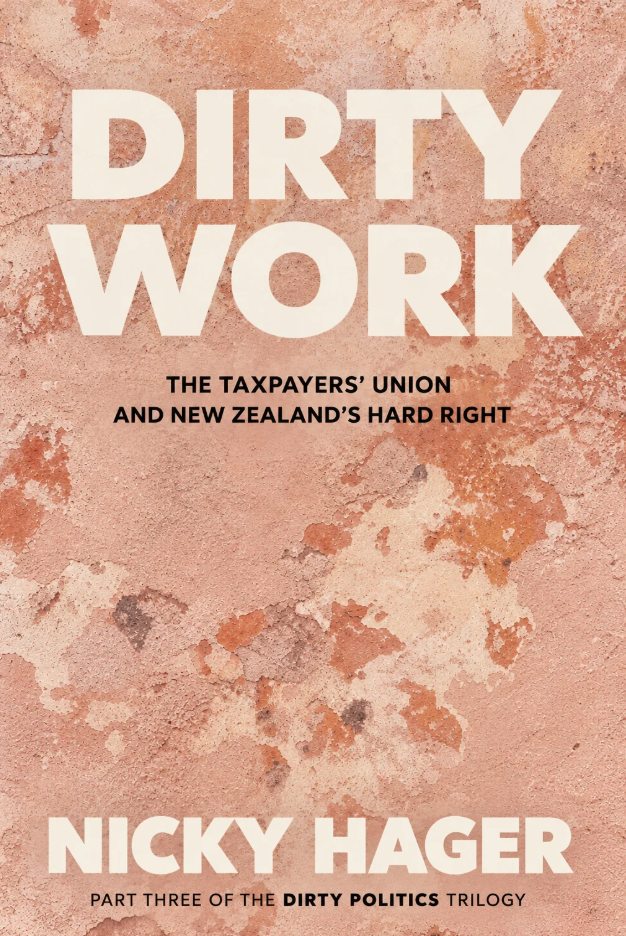
Dirty Work: The Taxpayers’ Union and New Zealand’s Hard Right by Nicky Hager $35
In 2023 Nicky Hager was accused of writing an exposé of the Taxpayers' Union when he was not in fact writing an exposé of the Taxpayers' Union. This prompted insiders to approach him with information that led to him writing an exposé of the Taxpayers' Union and the wider spiderweb of lobby groups and astroturf organisations that have been working to push political discourse in New Zealand to the right and to smear and discredit those who oppose them. Driven by wealthy New Zealanders, Big Tobacco, corporate and other interests, and aligned with the Atlas Network internationally, the Taxpayers’ Union has been particularly effective in nudging ACT and the National Party towards espousing their hard-right goals and rhetoric, from dismantling public services to removing restictions on the operations of corporations. Hager reveals how the Taxpayers’ Union deliberately introduced race-based politics as a politcal lever, first to derail Three Waters on behalf of business interests and then to undermine democracy and weaken protections for the environment. Although Christopher Luxon is quoted as saying, “Can I just say up front, thanks to you and all your members for all the work you do. … I really like what you guys do,” not everyone towards the right is enamoured by the Taxpayers’ Union’s operations: this book is based on interviews with former members, employees, and other insiders. [Paperback]
>>”Obsessed with one guy and a book.”
>>A rotten stench.
>>Tugging at the spiderweb.
>>Chiding in plain sight.
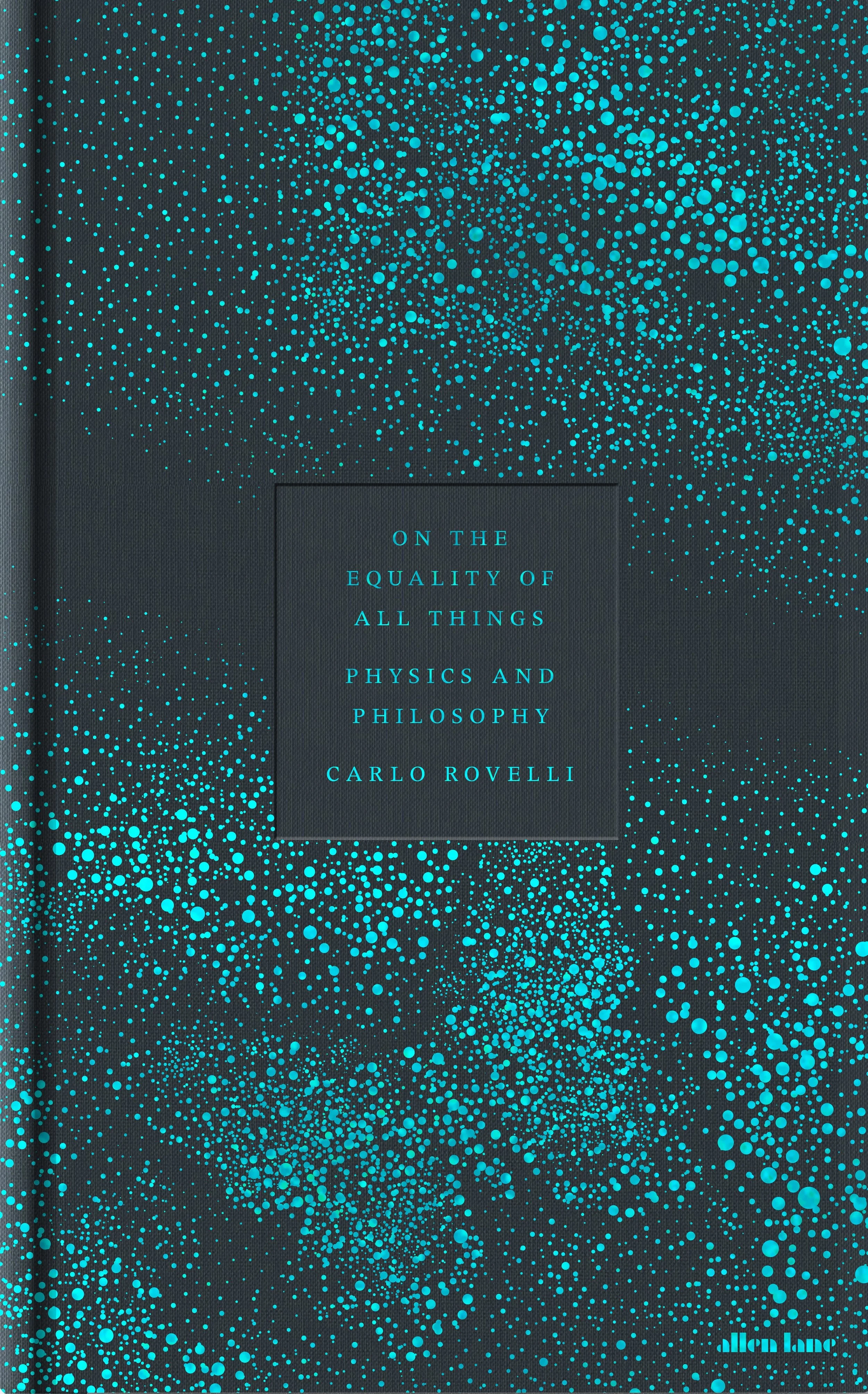
On the Equality of All Things: Physics and philosophy by Carlo Rovelli $50
What can we really know about the world around us? With clarity and lightness, physicist Carlo Rovelli guides us through the speculative depths of modern physics, unafraid to test their limits, not least because, as he suggests, there may be no final ground to reach. Electrons and minds, stones and laws, judgements and galaxies are not essentially different in nature from one another. They are ideas that illuminate each other. Reality, he shows, is shaped by this continuous play of reflections. From this emerges Rovelli's central insight: the equality of all things. Like the ancient Chinese philosopher Zhuangzi, who dreams he is a butterfly and wakes unsure whether he is Zhuangzi dreaming to be a butterfly or a butterfly dreaming to be Zhuangzi, Rovelli invites us to see reality anew, recognizing our knowledge is coherent but also uncertain and circular. We are made of the same stuff as the rest of reality — and so we are, in a deep sense, home in the world. [Hardback]
’A treatise that feels entirely liberating and brings its readers closer to the world around them. The poetic streak Rovelli is celebrated for is fully apparent through its pages, simultaneously enriching and contextualising the complex scientific ideas contained within.’ —AnOther
”’Interesting’ barely touches the sides with Rovelli.” —New Scientist
”Carlo Rovelli is the best thinker out there articulating physics, philosophy, and literature. There simply are no scientists of his caliber who also are humanists of the first order. His prose has the enviable ability to expand the realm of the utterable and, with it, the reach of our intellectual experience.” —Hernan Diaz
>>The poet of physics.
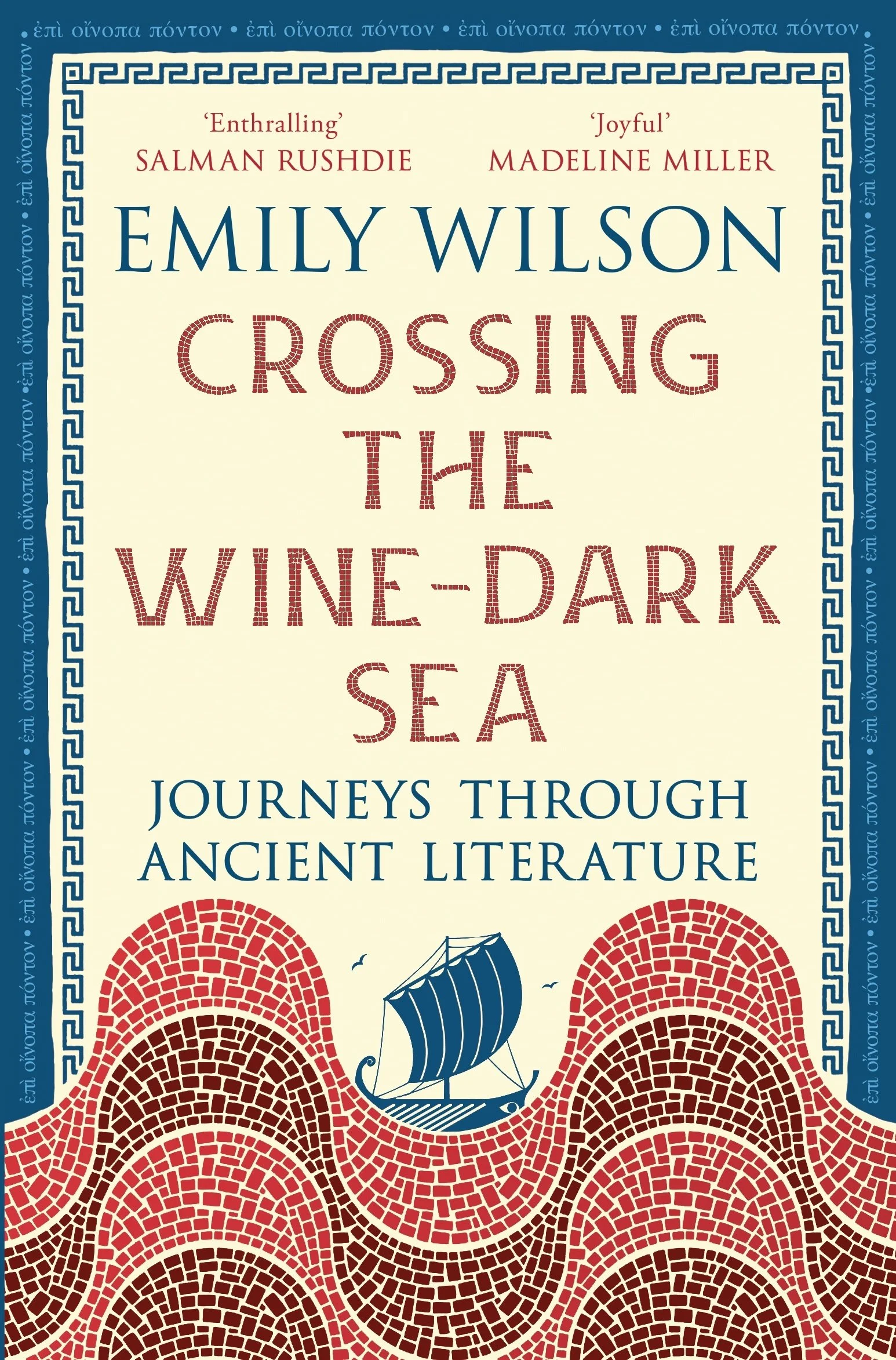
Crossing the Wine-Dark Sea: Journeys through Ancient literature by Emily Wilson $33
How do we give old words new voices? What must a translator lose — and might she gain — when she moves between languages, bringing ancient stories to modern life? Reflecting on the inspiration, interpretation and (mis)appropriation of words from Antiquity to today, Emily Wilson invites us to explore the translator's art and mind — and gives a wholly fresh insight into the joys and quandaries of her own work. From Athenian comedy and Rome's love of Greek culture to Han Kang's novels, Cardi B's lyrics and the discoveries she made whilst translating Homer, this is a playful and fascinating voyage into the promise, possibility and constant renewal of our founding classical culture. [Paperback]
”Emily Wilson's brilliant reconsiderations of the ancient world — through the figure of Helen of Troy, the remaking of the Iliad by Christopher Logue, the use of comedy to grapple with dark matters, even slavery, and much besides — makes this an enthralling and profoundly relevant book.” —Salman Rushdie
”I adored reading these joyful, illuminating, and engrossing journeys through ancient literature. Wilson's interest is wide-ranging, moving with elegance and insight across genres and millennia. With wit, passion, and clarity, she invites us into each of these fascinating subjects. The final essay especially is required reading for anyone interested in translation, drawing back the veil on how a brilliant scholar and writer approaches her work.” —Madeline Miller
”We're incredibly lucky to have Emily Wilson writing about the art, politics and ethics of translation and retranslation. Crossing the Wine-Dark Sea is an impressive display of Wilson's expertise, conviction and wit. Her impact within and without the world of literary translation has been huge.” —Jen Calleja
>>Her Iliad.
>>Her Odyssey.
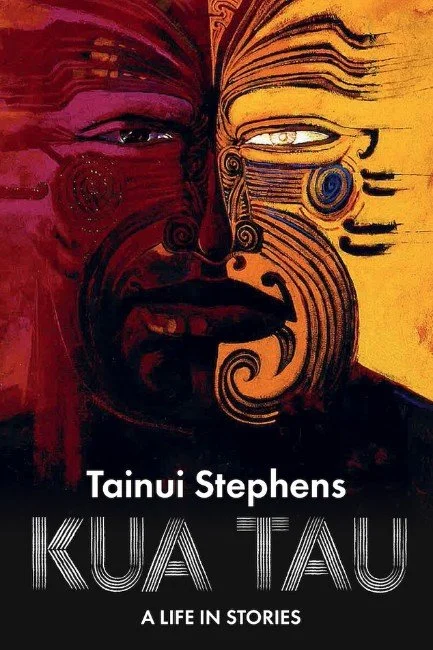
Kua Tau: A life in stories by Tainui Stephens $50
‘When we’re young, we learn the stories of others. / When we’re adults, we create our own story. / When we’re old, we tell our story.’ From the beginning, Tainui Stephens has been finding stories. In people, in place, and in the shifting shape of Māori life in Aotearoa. And through a career in filmmaking, broadcasting and cultural advocacy, he has been finding himself. Kua Tau gathers up a kete of his best writing on these subjects, drawing from his much-loved essays for the online magazine E-Tangata. From the turbulence of the 1970s and 1980s to the powerful iwi Māori of today, Stephens writes about the people who shaped him. Kaumātua of the old world. Marae aunties. Rangatahi finding their place. Activists, artists, whānau and friends. The essays travel through reo and tikanga, identity, leadership, racism, grief and joy. Warm, direct and deeply grounded, this is writing from a superb storyteller, and a book about the stories that make us whole. [Wrappered paperback]
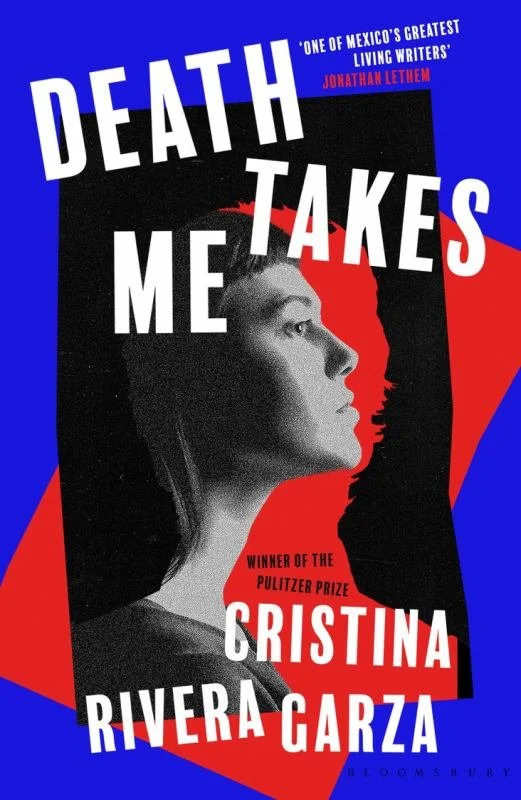
Death Takes Me by Cristina Rivera Garza (translated from Spanish by Sarah Booker and Robin Myers) $25
”beware of me, my love / beware of the silent woman in the desert...” These are the words the Professor finds, scrawled in nail polish, above the mutilated corpse of a man. She reports the crime to the police and becomes the first informant in an investigation led by the Detective, who has a new-found obsession with poetry. As the bodies of more men are discovered alongside cryptic lines of verse, it becomes clear that this is only one in a string of crimes — all connected, all with literary clues. As the Professor becomes wrapped up in the murders, the boundaries of story — and of genre — break down. Can the Detective decipher the meaning of the poems in time to stop the spread of violence? [Paperback]
”This detective novel radically scrambles what we think of, and how we relate to, the genre. The case is ‘full of psychological nooks and crannies. Of poetic shadows. Gender traps. Metaphors. Metonyms.’ That also describes Rivera Garza's exceptional style, and the deeply rewarding experience of reading Death Takes Me. The novel is dense and elliptical, a dreamscape with a powerful undertow. A harrowing and labyrinthine masterpiece.” —New York Times
”Rivera Garza, who won a Pulitzer prize last year for her memoir of femicide in Mexico, plays with form, blending fiction with an essay complete with footnotes, satirising media coverage, incorporating comments on the publication of the book we're reading, and generally having fun. Her exuberance is contagious. ‘Reading shouldn't be so complicated,’ says one character. ‘A matter of turning the page.’ Of course, it's both.” —Spectator
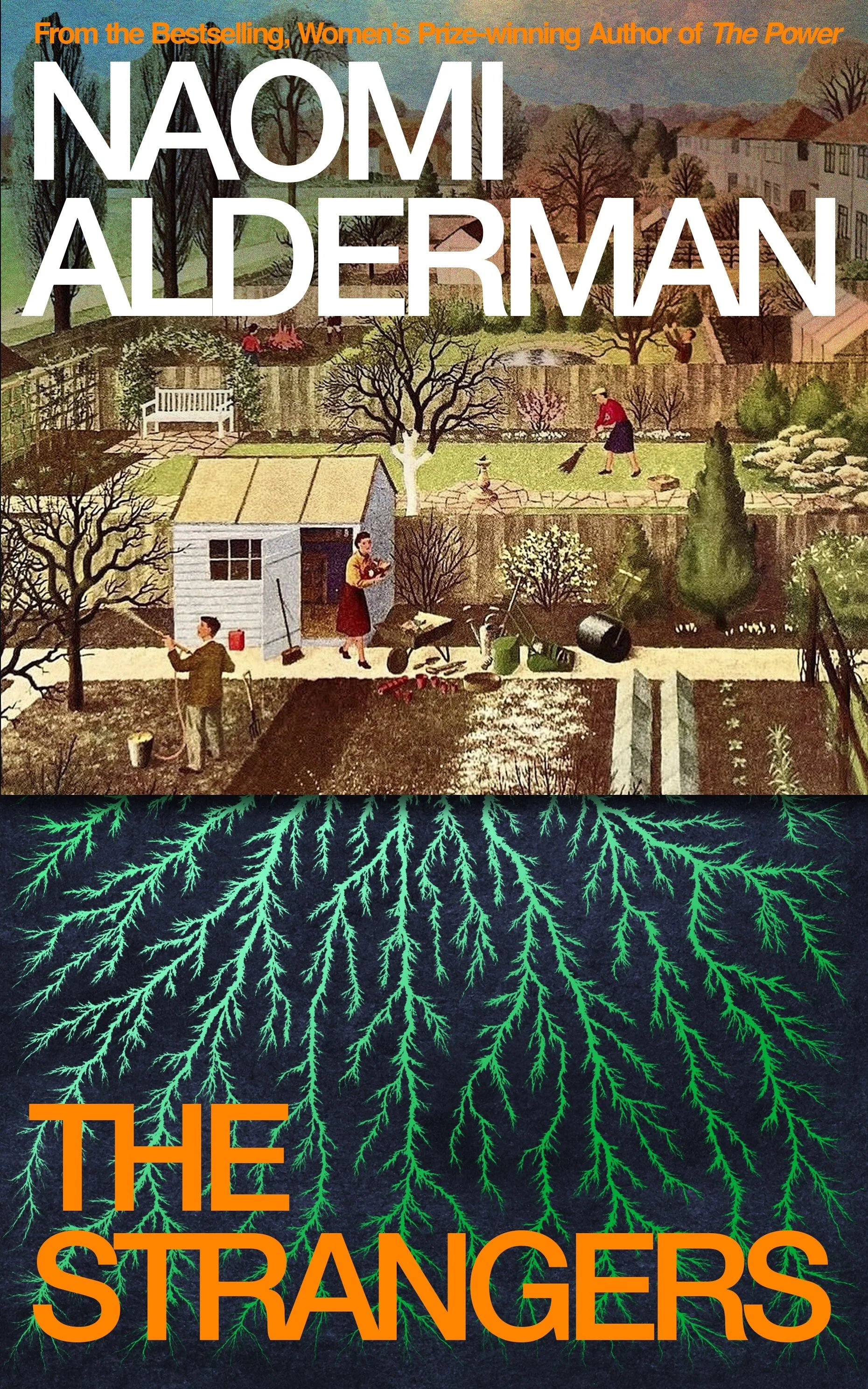
The Strangers by Naomi Alderman $38
They came from nowhere, and now they are everywhere. A few months after her mother dies, the novelist Naomi Alderman sets up a wildlife camera in the back garden of her parents' home. It captures the first image of a strange new animal. Low to the ground, about the size of a badger, flat face, long, trunk-like nose. Suddenly these ‘mimmoths’ are as common as foxes or dogs. And no one knows where they've come from. As Alderman negotiates the territory of grief — a place with its own logic and rhythms — the mimmoths spread. From the UK east and west, to the United States, to Russia, to India. They seem harmless, but oddly intelligent. They cannot be captured, they will not take food from humans, they have their own purposes. Alderman cannot shake the feeling that she has a particular connection to the creatures. Or is she just succumbing to 'mimmoth psychosis'? As the impact of the mimmoths increases, she is pulled into the cross currents of conspiracy theories and global power struggles. Have her deeply personal forms of mourning lent recent events a surreal air, or is our reality changing drastically and irrevocably? From the author of The Power, The Strangers is a original and moving novel that blurs the lines between fiction and reality, inviting us to reconsider what it means to be human. [Paperback]
”In the same way that a gravestone is an attempt to give form to an absence, Alderman's structural ingenuity allows the reader to wrangle some of the ineffable aspects of grief into something more coherent and bounded.” —Guardian
”An entirely new species of writing about grief. I loved this weird, warm-blooded, and inquisitive book.” —Eleanor Catton
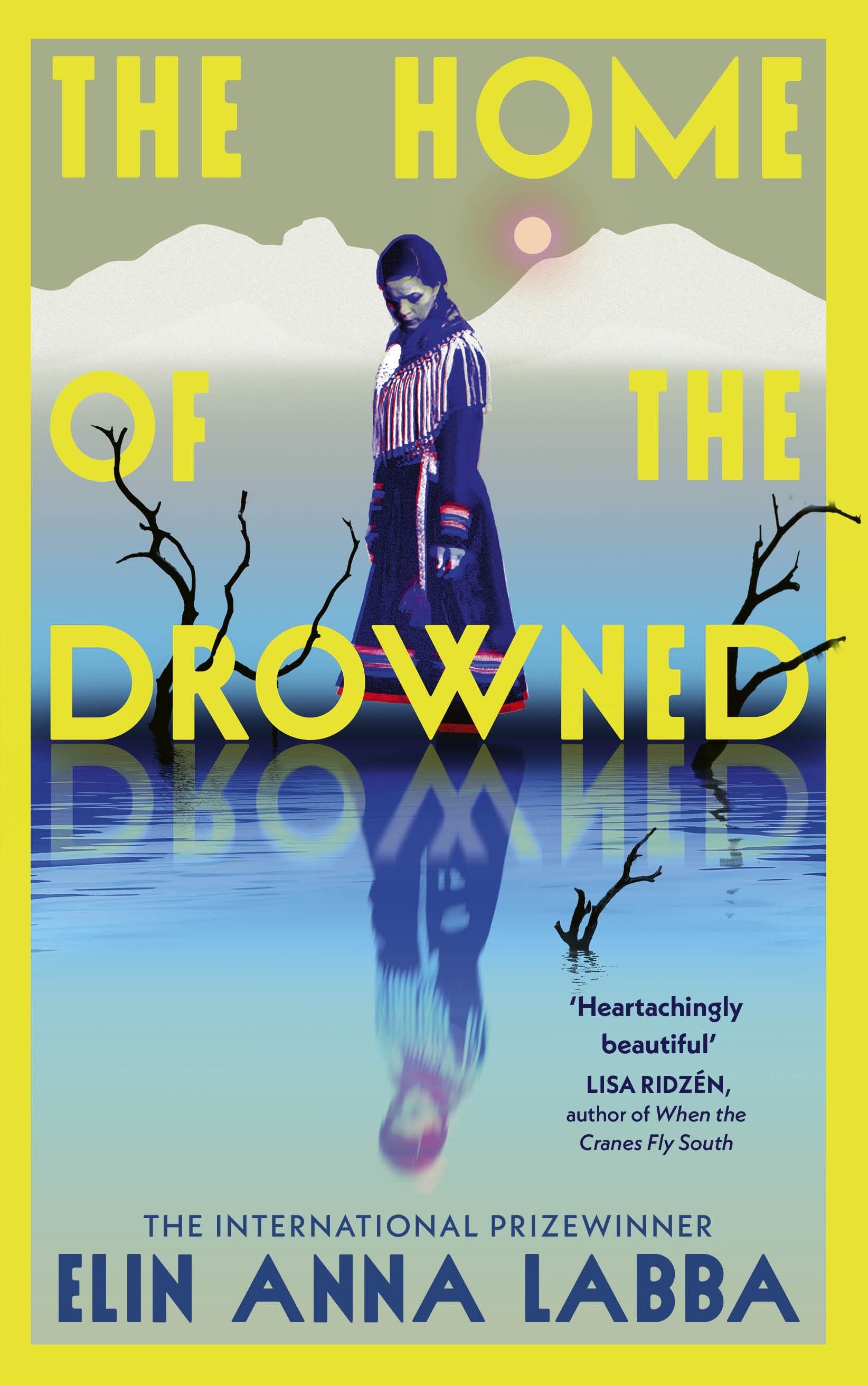
The Home of the Drowned by Elin Anna Labba (translated from Swedish by Elizabeth Clark Wessel) $38
Every summer, Inga, her mother Ravdna, and her Aunt Anne travel west to their village on the lake. But the summer Inga is thirteen, they arrive to find their home and possessions have disappeared under water, the land flooded by a dam built to supply hydropower to a society that has continually stolen from them. The Home of the Drowned follows these Sámi women's fortunes over forty years — from 1942 to 1982 — as the water their people have lived near for centuries is transformed into a menacing force that threatens all they hold dear. Defying the authorities, Ravdna decides to build a house on the lake to replace what was lost, becoming an unlikely activist. Meanwhile, Anne's health is in decline, and a concerned Inga merely longs to live like everyone else — an impossible wish when the Swedish state is relentlessly drowning her world. Drawing on her own family's history of forced relocation and violent colonial dispossession, Elin Anna Labba's debut novel brings Sámi history to the fore. The Home of the Drowned reveals connections between land, water and people that hauntingly reverberate with the question: what is it that makes a home? [Hardback]
”Powerful. The book explores memory, marginalisation and what happens when collective wisdom is washed away by modernity. One of the novel's most delightful aspects is the way Labba conveys not just a Sámi way of life, but a Sámi perception of the world.” —Financial Times
>>Also by Labba: The Rocks Will Echo Our Sorrow: The forced sisplacement of the Northern Sámi.
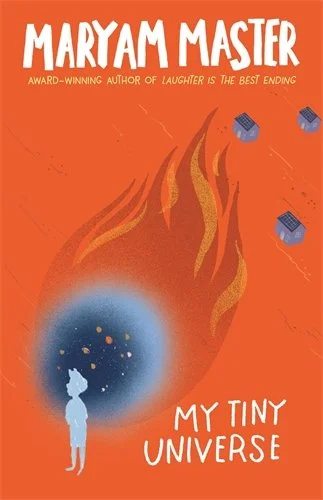
My Tiny Universe by Maryam Master $19
Leif is named after a valiant Viking. But being a two-foot nothing, fraidy-cat kid with a thousand and one phobias is about as far from valiant as you can get. He's a Certified Science Enthusiast and has a brain as large and mysterious as the universe. He's not one of the cool kids at school. Or the geeks. He's not even one of the misfits. (Have you ever heard of a misfit who didn't fit in with other misfits?) Leif's different in every way, but especially because he was the first kid to be born with CIA (Climate Induced Anomalies). He didn't have a single friend at West Hershey College, before Albie came along. And that's when all the trouble really began. [Paperback]
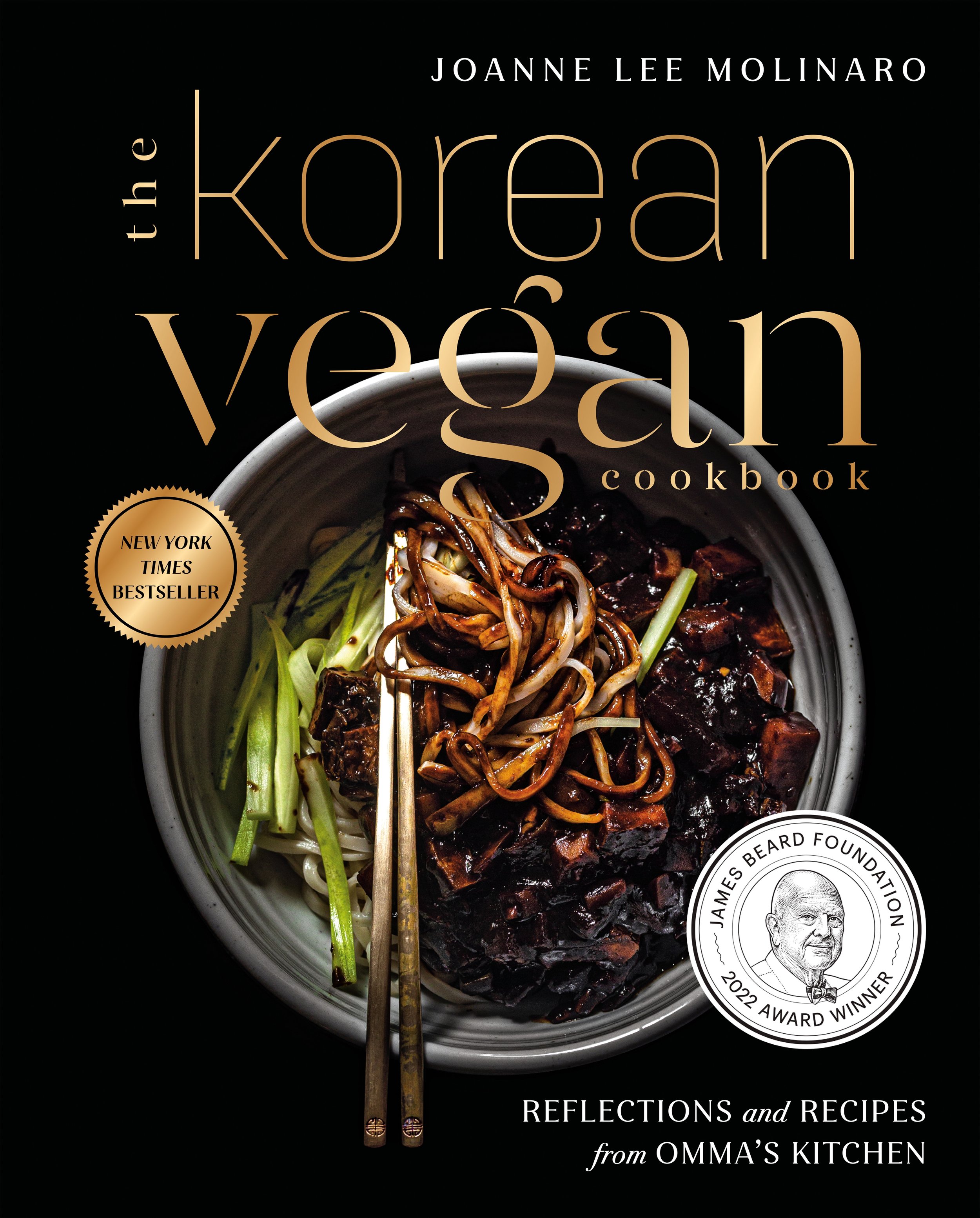
The Korean Vegan Cookbook: Reflections and recipes from Omma’s kitchen by Joanne Lee Molinaro $75
The single most frequent question Joanne Lee Molinaro gets asked is "How can you be vegan and Korean?" Korean cooking is, after all, synonymous with fish sauce and barbecue. And although grilled meat is indeed prevalent in some Korean food, the ingredients that filled out the bapsangs of Joanne's childhood — doenjang (fermented soybean paste), gochujang (chili sauce), dashima (seaweed), and more — are fully plant-based, unbelievably flavorful, and totally Korean. In her debut cookbook, Joanne shares recipes and narrative snapshots of the food that shaped her family history. Some of the recipes come straight from her childhood: Jjajangmyun, the rich Korean-Chinese black bean noodles she ate on birthdays, or the humble Gamja Guk, a potato-and-leek soup her father makes. Some pay homage: Chocolate Sweet Potato Cake is an ode to the two foods that saved her mother's life, Kale & Ramen Salad with noodle "croutons" and a dressing akin to ramen broth. With the intimate storytelling and stunning photography she's become known for on social media, The Korean Vegan Cookbook celebrates how deeply food and family shape our identity. [Hardback]
>>Look inside.
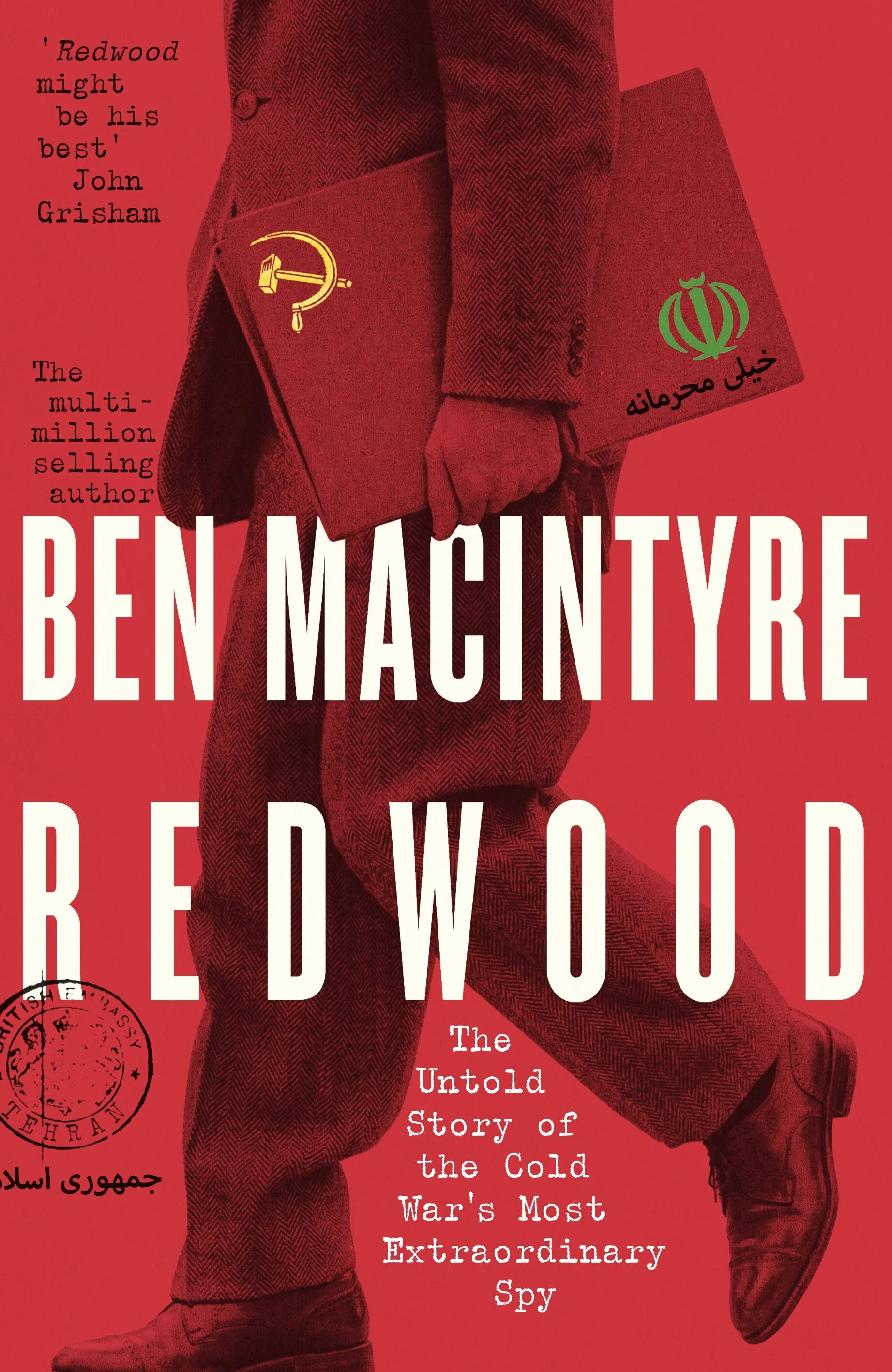
Redwood: The untold story of the Cold War’s most extraordinary spy by Ben Macintyre $40
The year is 1981. Tehran is in violent turmoil in the wake of the Iranian Revolution. The Soviets are planning to overthrow the Ayatollah's fledgling Islamist regime. If they do so, one response contemplated in the secret chambers of American power — unknown to the public — would be to strike with nuclear weapons. Redwood is the story of how, at the height of the Cold War, one mysterious double agent, whose intelligence reached the highest levels of American and British governments, cracked open the KGB, revealed the Kremlin's secret plot, and prevented Armageddon. "Redwood" was the MI6 codename for this unsung, hitherto-unknown hero of the Cold War, a highly trained, six-foot-four Russian intelligence officer who chose to expose the KGB's deepest secrets, compelled to swap sides by a shaming secret of his own. Facing exposure, with both the Iranian Revolutionary Guards and his own KGB colleagues closing in, he demanded that MI6 try to smuggle him out of Iran in a high-stakes escape plan. This is the gripping tale of one man's courage, and its unintended consequences that still shape our world today. It's about a moving friendship between spies on opposite sides of the global conflict; about marriage, loyalty, betrayal and sexual dysfunction; and about how decisions made in secret can have huge, long-term ramifications. Drawing on never-before-seen material from archives in multiple countries, and interviews with the participants including officers from MI6 and MI5, the KGB and CIA, Redwood plunges readers back into the shadowy world of The Spy and the Traitor. It lifts the lid on an unknown and highly significant Cold War victory, on the machinations of history's Great Game, and on how espionage really works. [Paperback]
"John le Carré's nonfiction counterpart." —The New York Times
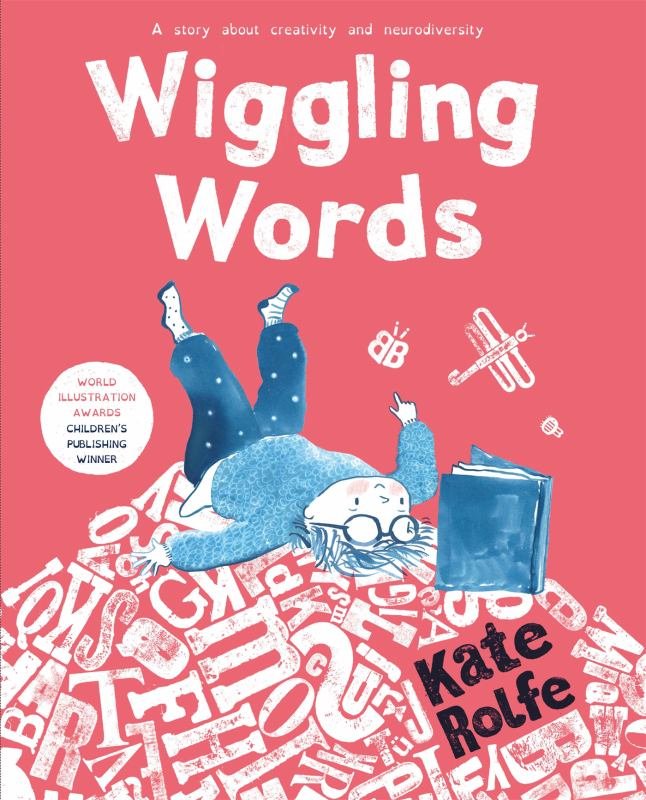
Wiggling Words by Kate Rolfe $20
An inspiring story about a child lost in a forest of letters. Action words, can be pesky things to master and nobody understands the struggle better than the young child in Wiggling Words. Skip, trip, fumble and fall with them as they discover that even though words can be tricky, they can be fun too! The perfect book to share with children with dyslexia and other neurodivergence to encourage problem-solving and build confidence. [Paperback]
>>Look inside!