NEW RELEASES (29.4.26)
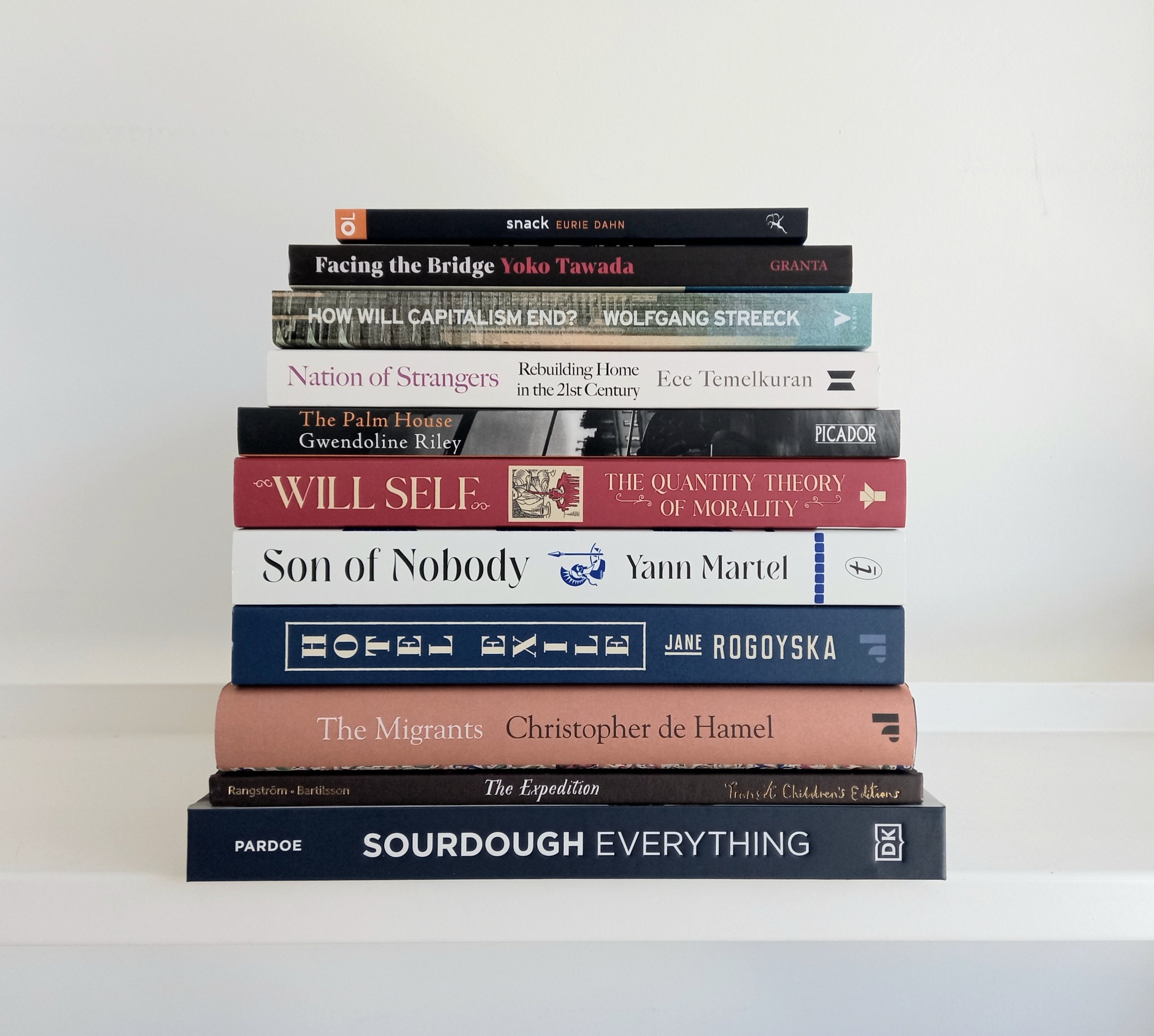
All your choices are good! Click through to our website (or just email us) to secure your copies. We will dispatch your books by overnight courier or have them ready to collect from our door in Church Street, Whakatū.
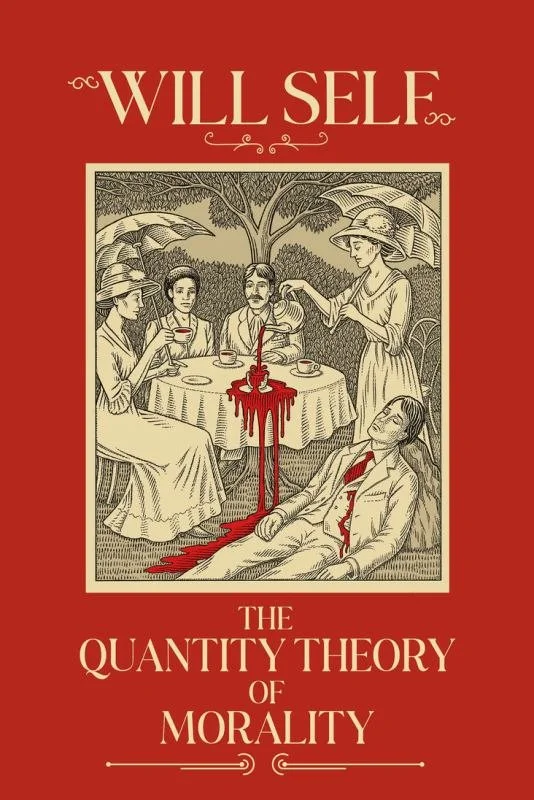
The Quantity Theory of Morality by Will Self $38
In The Quantity Theory of Morality, Will Self's pen remains dipped in vitriol and elegance as ever. The disaffected, middle-class, middle-aged urbanites that populate the novel seem helpless to stop the decay of their intimate, self-conscious social circle. And yet, as Self's skewering (and self-skewering) grows ever more wildly imaginative, targeting faith, death, money, queerness, Jewishness and nearly every piece of our social fabric's connective tissue, it becomes all too clear that the decay cannot simply be cut out - their lives are rotten to their core. With recurring - if defeated - appearances from now-canonical characters like Zack Busner, this new work shows Self to be both a master of satire and slapstick humour and a sublime and thoughtful critic of the alienation of modern life. The Quantity Theory of Morality delicately bookends his award-winning story collection The Quantity Theory of Insanity, which Martin Amis likened to “a cross between a manic J. G. Ballard and a depressed David Lodge.” Although, as ever, “Will Self's world is all his own.” [Paperback]
”Reads like early Nabokov: barbed, provocative, virtuosic in his performance of linguistic jokes — rollicking, unsettling and furiously intelligent.” —Guardian
”While dripping with acidic satire, The Quantity Theory of Morality is also full of pathos and penetrating insights into the best and worst in human nature. A consummate performance, it's a book that might finally silence Self's critics.” —Spectator
”This new novel stretches this critic's adjectives. It is deliriously poignant. It is heartbreakingly antic. It is sincere and wry at the same time. Self's funniest book for some time.” —Stuart Kelly, Scotsman
>>Is morality a zero-sum game?
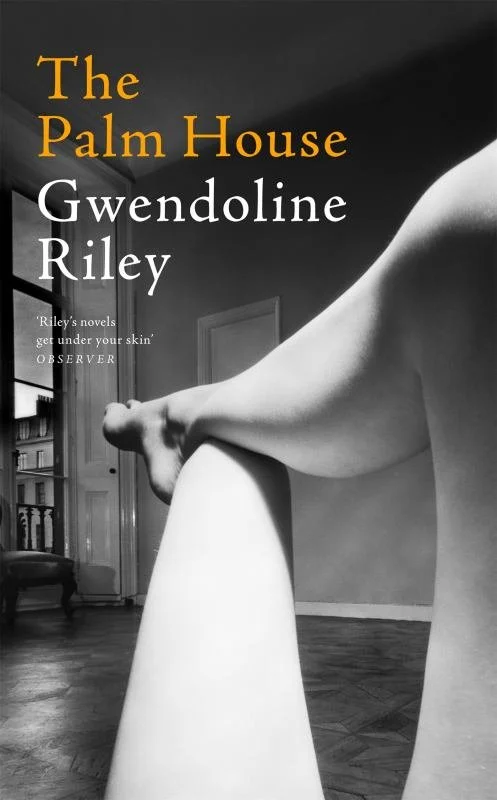
The Palm House by Gwendoline Riley $38
Laura Miller and Edmund Putnam have been friends for a long time. Theirs is a happy meeting of minds, with long evenings spent huddled in an ancient pub by the Thames, where they share office gossip, reflect on their teenage passions, and lament the state of the world. Recently, though, Putnam has been harder to reach: he has lost his father, and the magazine to which he has dedicated his life has been hijacked by an insufferable new editor, Simon 'call me Shove' Halfpenny. Laura has her own problems: a prickly mother and a tricky past, and in a beautiful and indifferent city, her day-to-day life is precarious. But as Putnam starts to sink into despondency, she must try to bring him back. A novel of enduring friendships and small mercies, The Palm House offers us Gwendoline Riley's trademark keen observation and wit, and leaves us — somehow — with a curious sense of possibility. [Paperback]
”This pristine book confirms Riley's position among the finest novelists working today. Her sentences are crystalline and perfect, and her attention to the world is always acute and occasionally tender - I love this book, and am awed by Riley's accomplishment.” —Sarah Perry
”Riley writes with a poet's control, her prose so purely distilled that it appears artless. What is new is the gentle delicacy she brings to the deep and unshowy solace of friendship, moments of tenderness so exquisitely and exactly rendered that they are almost too intense to bear.” —The Guardian
”Outstandingly brilliant.” —Claire-Louise Bennett
”The Palm House on almost any page will give you more delight than most other novels published this year.” —John Self
>>Don’t mind me in my coffin.
>>Carted off.
>>Eight lanes of traffic.
>>The wreckage of middle age.
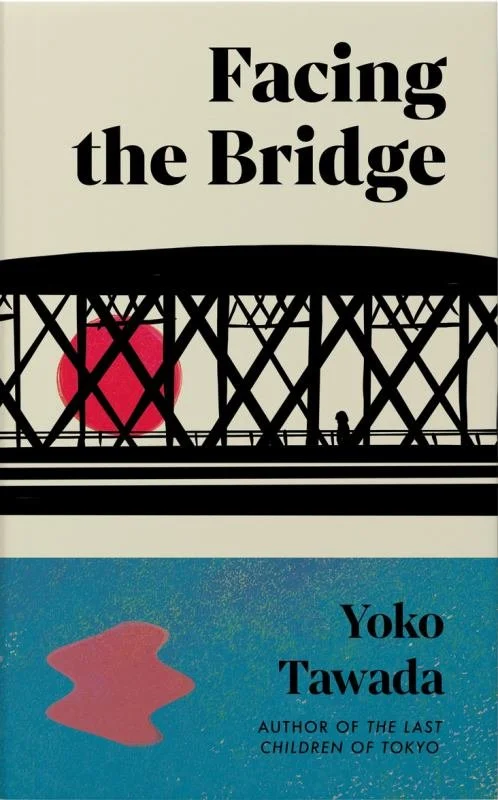
Facing the Bridge by Yoko Tawada (translated from Japanese by Margaret Mitsutani) $33
Amo, an African kidnapped to Europe as a boy, and Tamao, a Japanese exchange student in Germany, live in different countries but are being followed by the same shadow; Kazuko, a young professional tourist, is lured to Vietnam by a mysterious postcard; on the Canary Islands, a nameless translator battles a banana grove and a series of Saint Georges. In the three stories in Facing the Bridge, obsession becomes delight as the reader is whisked into a world where identities flicker and shift. [Paperback with French flaps]
”Tawada writes beautifully about unbearable things.” —Sara Baume
”Magnificently strange.” —Rivka Galchen
”Every Yoko Tawada novel pulls the ground out from under us, but gives us new senses in return.” —Madeleine Thien
”What propels Tawada's stories is the unassailable logic of dreams and fairy tales, coupled with verbal energy. Tawada's images resonate simultaneously on different levels.” —Village Voice
>>A genius in any language.
>>Other books by Yoko Tawada.
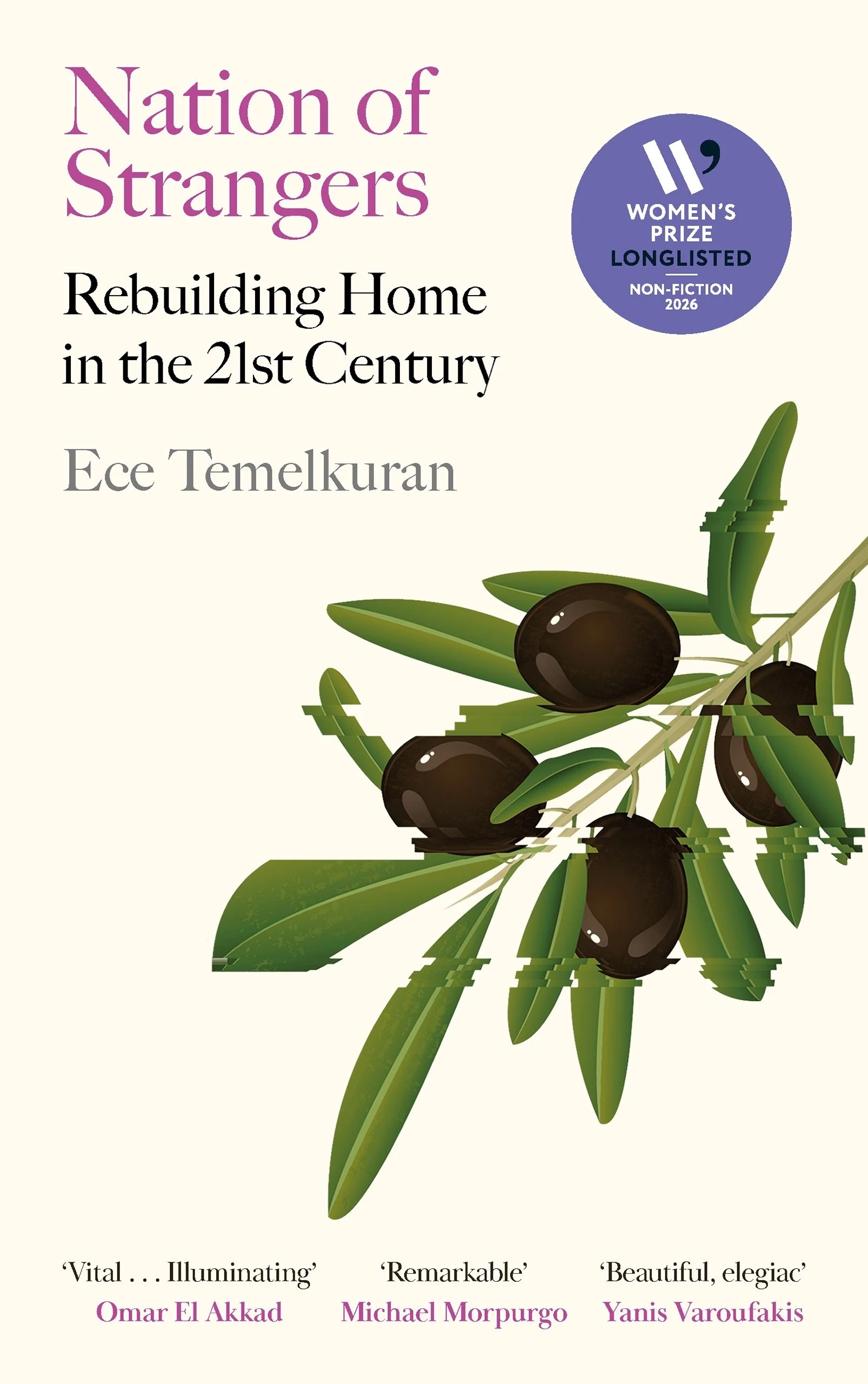
Nation of Strangers: Rebuilding home in the 21st century by Ece Temelkuran $38
”Dear stranger. Are you home? Do you feel at home? For how much longer?” Across the world the number of refugees and exiles, the dispossessed and displaced, the politically homeless and the economically excluded is growing. In the decade since she left her own home, Ece Temelkuran has been a political Cassandra, warning those convinced it couldn't happen in their country that fascism is coming. Now, as oppression spreads and temperatures rise — as we face competing crises and learn, again and again, that no institution is so concrete it can't turn to dust, and no home is too strong to be destroyed — she has written Nation of Strangers: a series of letters from one stranger to another. Politically attuned and deeply personal, this extraordinary, heartening correspondence is a gift to treasure in uncertain times. As poetic as it is precise, it is a book for anyone who feels alienated by an ever-more monstrous world. It shows how, as we all become strangers, our home will depend on the strength we find with one another. [Paperback]
Short-listed for the 2026 Women’s Prize for Non-Fiction.
”Nation of Strangers is perhaps the most urgent and necessary book of our times, for our times. To read it is 'to stiffen the sinews.'" —Michael Morpurgo
"Nation of Strangers is essential reading — a bold reminder, a stern warning, a soft prayer and courageous song. Without doubt, Nation of Strangers is my number one favourite book of these times, navigating the truth of who we really are and who we pretend to be. It is a most exquisite narration of the sense of belonging in the unbelonging. Nation of Strangers is a critically honest observation of us, of you and me in the now and here, our fragile notion of home, the homes we leave behind, the home we carry with us. I have been walking around with Ece's book in my bag like a friend, I keep re-reading it, I feel like she is writing to me personally, teaching me to be stronger and much more resilient." —Selena Godden
"A new book from Ece Temelkuran is a new way of understanding the world. She is lucid, honest and often wryly funny about where we are now, and who we are becoming. And Nation of Strangers is her most ambitious and dazzling book yet." —Brian Eno
"Ece Temelkuran, with her beautiful, elegiac new book on becoming 'unhomed', is in serious danger of becoming the new Hannah Arendt." —Yanis Varoufakis
"Homelessness, both literal and spiritual, is increasingly the contemporary human condition, and in Nation of Strangers, Ece Temelkuran gives it the sustained and close attention it deserves. She not only elegantly and movingly diagnoses our shared plight; she describes the wise and viable solutions we so desperately need. No one baffled and estranged by our age's relentless shocks can afford to miss this book." —Pankaj Mishra
>>The pace of change.
>>An antidote to loneliness.
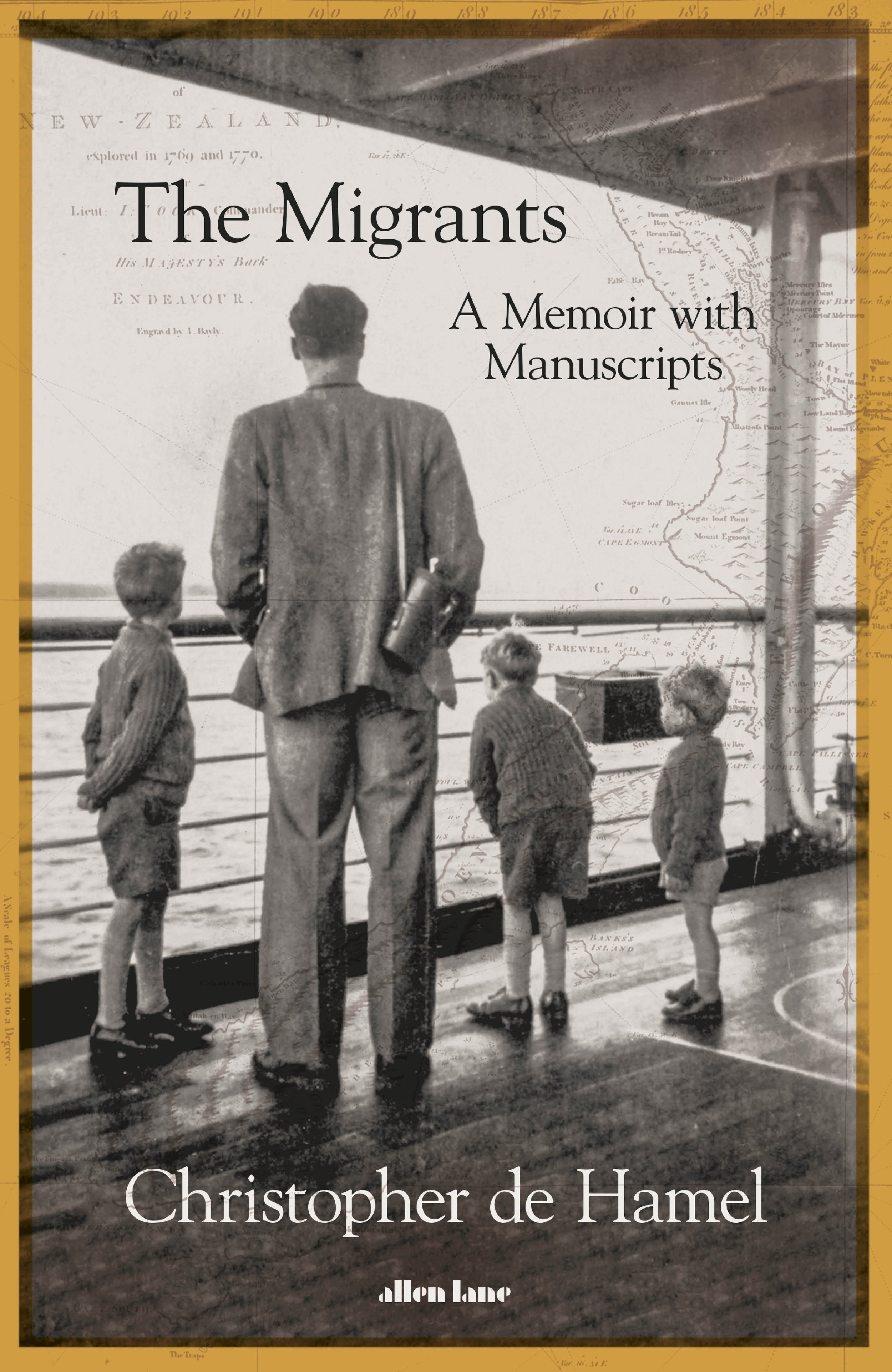
The Migrants: A memoir with manuscripts by Chrisopher de Hamel $65
Christopher de Hamel is one of the world's best-known scholars and writers on illuminated manuscripts. He was mostly brought up in the south of New Zealand, where his family moved when he was four. This book evokes a childhood at vast distance from Europe, recalling his thrill and wonder in first encountering medieval manuscripts in libraries there and the realisation that they too are migrants far from home. The Migrants explores the immense journeys of books and people. It is a tale of colonisation and the migration of culture — of motives and idealism, triumphs and disasters — bringing us face-to-face with history. We meet the colonial governor on his paradise island, the shipwrecked accountant, the nonagenarian who cut up manuscripts, the magnate who unknowingly bought Becket's Boethius, and the early settler who inscribed his Book of Hours in the Maori language in 1842. We travel with the author today back to where these manuscripts began their own lives, through France and Poland and medieval England, discovering their first owners and following the longest journeys on earth. [Hardback]
”Christopher de Hamel combines enthusiasm with scholarly precision and a conversational style that sits surprisingly easily with the fund of knowledge he has gradually accumulated. The joy of this book are de Hamel's true 'intimate companions', the manuscripts, and his ability to evoke the thrill and wonder he feels as he encounters them, whether it's a 12th-century copy of Boethius he finds in Wellington, probably designed for Thomas Becket, or a Bible in Auckland, which he traces back to a Cistercian monastery in north-central Poland.” —Mark Bostridge, Spectator
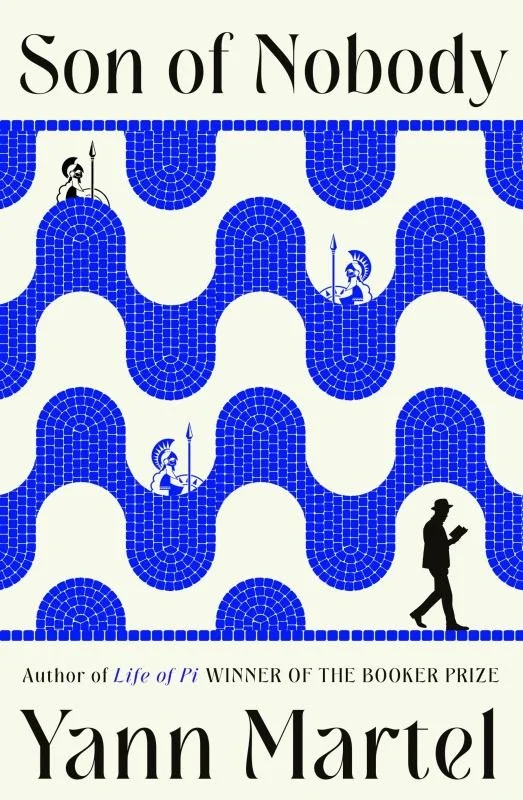
Son of Nobody by Yann Martel $38
Harlow Donne has sacrificed his life to the study of the Classical world. So when he is invited to Oxford University to work on an obscure collection of papyrus fragments it is an academic's dream come true. He must leave behind his daughter and wife in Canada, but offers like this don't come twice and he badly needs a change of fortune. Then, while studying in the Bodleian Library, he unearths a completely undiscovered account of the Trojan War, a glimpse into the founding of Western civilisation itself. He names the poem The Psoad, after its protagonist, a commoner identified only as Psoas, the son of nobody. As sole translator and author of The Psoad, Harlow dedicates the poem and its footnotes to his daughter Helen, allowing the text to unlock the echoes of the ancient Greeks into the present day, and to share a personal message with his beloved child. Despite the two-thousand-year gap between the two, a thread hasn't frayed — the universal song of homesickness and regret, of ambition, love and grief. [Paperback]
”A brilliant novel of ideas: a powerful meditation on life, death, and the vanity of human wishes; all illustrated by a poem that would do Homer proud. A stunningly imagined revisitation of an ancient past that is every bit as awful as the present.” —Kirkus Reviews
>>Both epic and intimate.
>”I hate the rich people of this world — of which I’m one.”
>>On work-life balance.
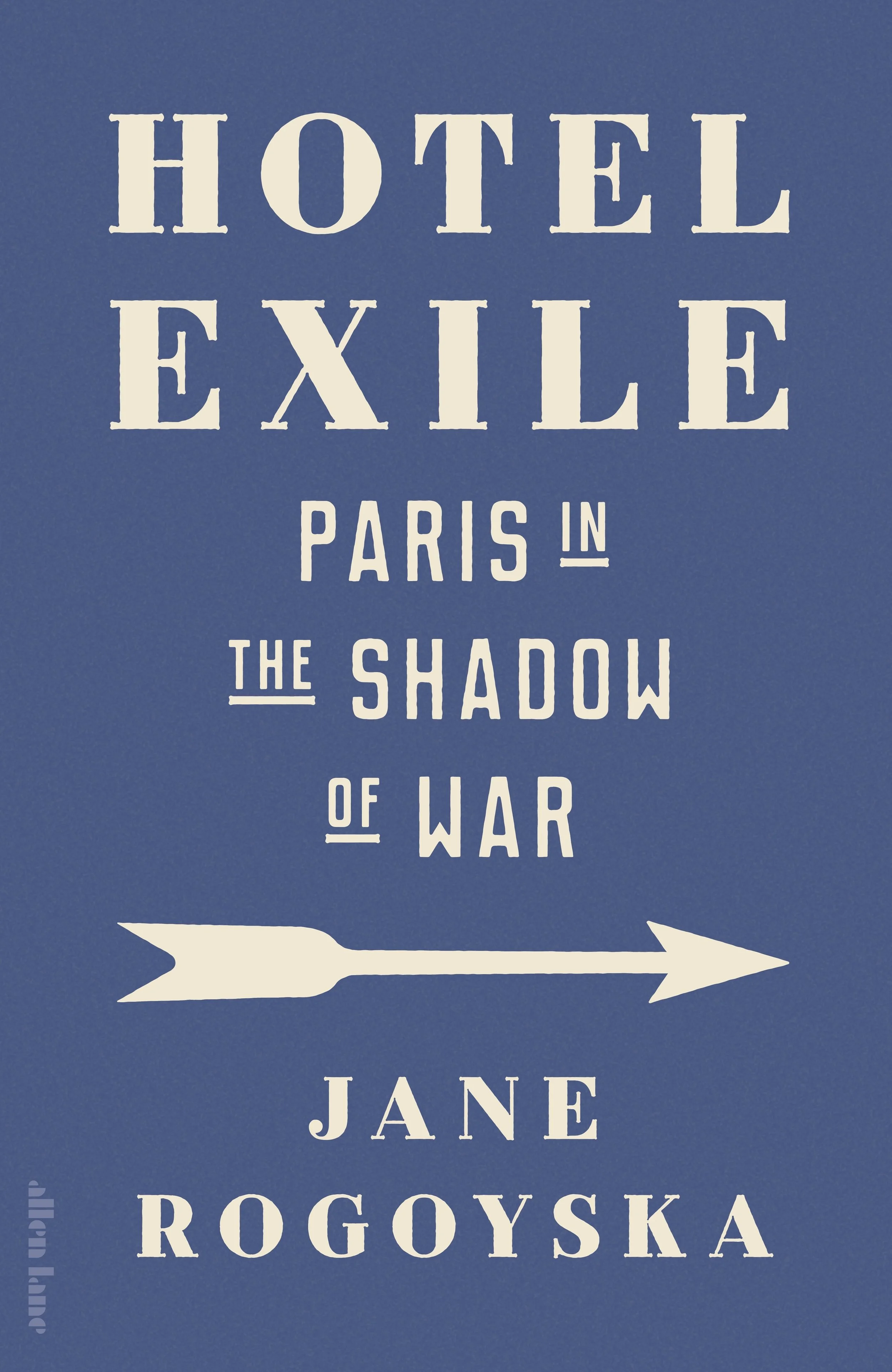
Hotel Exile: Paris in the shadow of war by Jane Rogoyska $45
The Hotel Lutetia is a Paris institution, the only 'grand' hotel on the city's bohemian Left Bank. Ever since it opened, it has served as a meeting place for artists, musicians and politicians. Andre Gide took his lunch here, James Joyce lived in one of its rooms, Picasso and Matisse were regular guests. It has a darker history, too. During one short period, it became a focus for some of the most dramatic and terrible events in recent history. In the 1930s the Hotel Lutetia attracted intellectuals and political activists, forced to flee their homes when Hitler came to power, who met here with the hope of forming an alternative government. But when war came, Paris was occupied, and the hotel became the headquarters of the German military intelligence service - and the centre of their operation to root out enemies of the Reich. In 1945, the Lutetia was requisitioned once more, this time transformed into a reception centre for deportees returning from concentration camps. Hotel Exile is about what happens on the edges of a war. At its heart are three groups of people connected to a place, to one another, and to the dark ideology which dictates the course of their lives. A masterpiece of empathy and concision. [Paperback]
Short-listed for the 2026 Women’s Prize for Non-Fiction.
”An exceptional work of non-fiction — you couldn't just call it a history book, it's more than that. Rogoyska captures the historical moment with a rare combination of urgency and empathy. She has trawled memoirs from hotel staff and ex-officers, unearthing stories that are peculiarly resonant. This is a scintillatingly good book. I think it will win prizes — not least because it is subtly experimental. It slips in and out of the present tense like a contemporary novel, and feels thrillingly immersive. In fact, I've rarely felt such a sense of the historical moment. Or indeed the present moment. Because if ever a book were about now as well as then, it's this one.” —James McConnachie, The Sunday Times
>>Hotel/hostel/hospital.
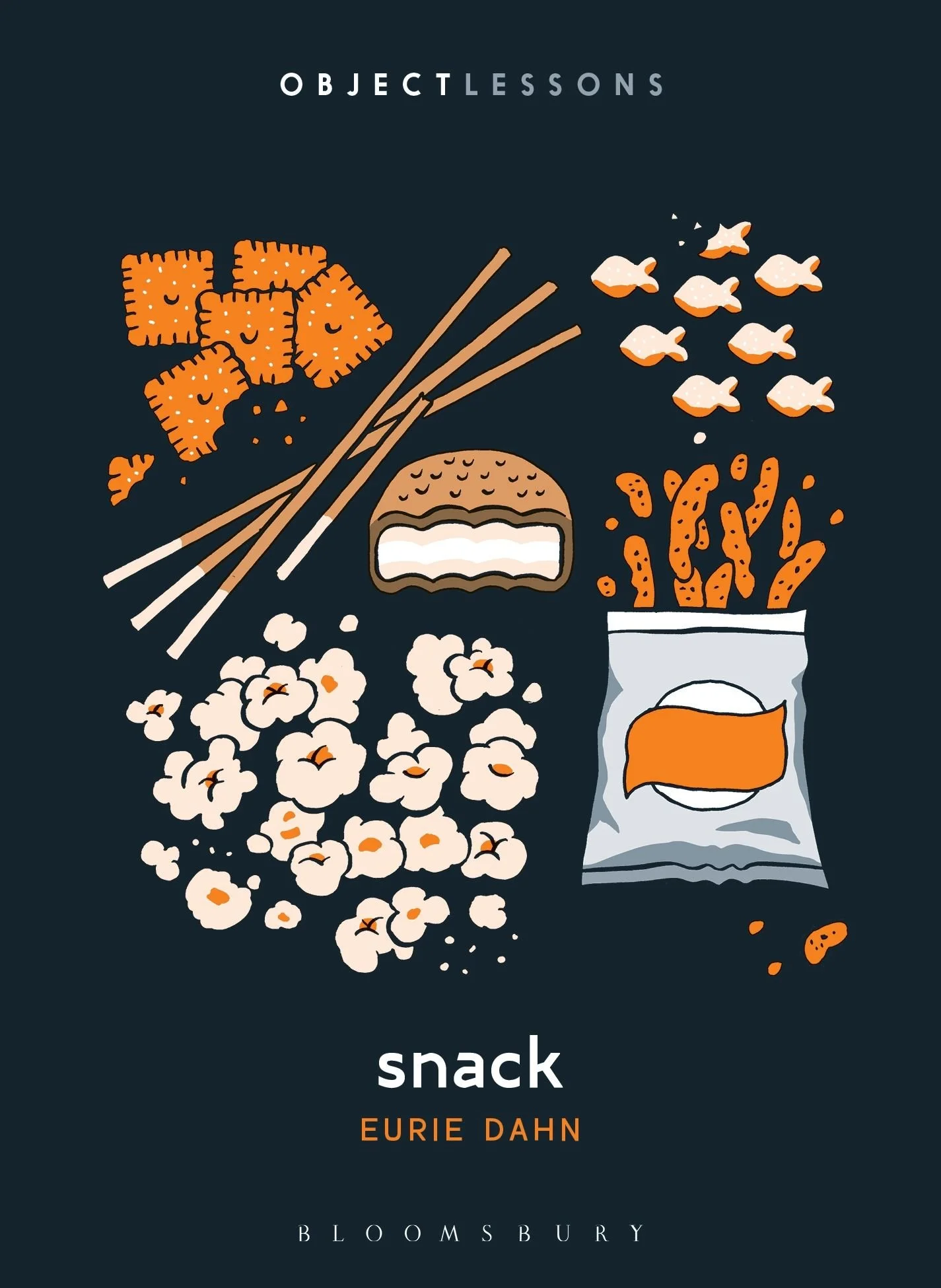
Snack by Eurie Dahn $23
In the hierarchy of foods, snacks are deemed trivial perhaps even childish especially in contrast to meals, which are seen as substantial and necessary. The multiple aisles devoted to sweet and savoury treats in supermarkets, and the availability of snacks even at places like home improvement and department stores, speak to the popularity of snacking. But the ubiquity of snacks is relatively new and not common to all countries. Eurie Dahn traces the story of snacking culture through specific snacks, including Flamin' Hot Cheetos, cheese crackers, and Choco Pies, and in the contexts of ethnicity, popular culture, diet culture, and even parenting. Snack is an idiosyncratic cultural history that offers surprisingly filling food for thought. [Paperback with French flaps]
”This tempting morsel of a book invites you to consider the history, culture, and even theory of those little bites we snatch between meals. Dahn's lively storytelling and digestible research invite us to slow down and take a hard look at that aisle full of temptations at the convenience store. With her help, we now see behind the colorful packages a surprising history of food, leisure, and pleasure.” —Sean Latham
>>Affective connections.
>>Other books in the ‘Object Lessons’ series.
How Will Capitalism End? Essays on a failing system by Wolfgang Streeck $27
After years of ill health, capitalism is now in a critical condition. Growth has given way to stagnation; inequality is leading to instability; and confidence in the money economy has all but evaporated. In How Will Capitalism End? Streeck argues that the world is about to change. The marriage between democracy and capitalism, ill-suited partners brought together in the shadow of World War Two, is coming to an end. The regulatory institutions that once restrained the financial sector's excesses have collapsed and, after the final victory of capitalism at the end of the Cold War, there is seemingly no political agency capable of rolling back the liberalisation of the markets. Ours has become a world defined by declining growth, oligarchic rule, a shrinking public sphere, institutional corruption and international anarchy, and no cure to these ills is at hand. [Paperback]
”Neoliberalism continues to delimit political choice across the globe yet it is clear that the doctrine is in severe crisis. In Wolfgang Streeck's powerful new book How Will Capitalism End? Streeck demonstrates that the maladies afflicting the world-from secular stagnation to rising violent instability-herald not just the decline of neoliberalism, but what may prove to be the terminal phase of global capitalism.” —Paul Mason, author of Postcapitalism
”At the heart our era's deepening crisis there lies a touching faith that capitalism, free markets and democracy go hand in hand. Wolfgang Streeck's new book deconstructs this myth, exposing the deeply illiberal, irrational, anti-humanist tendencies of contemporary capitalism.” —Yanis Varoufakis
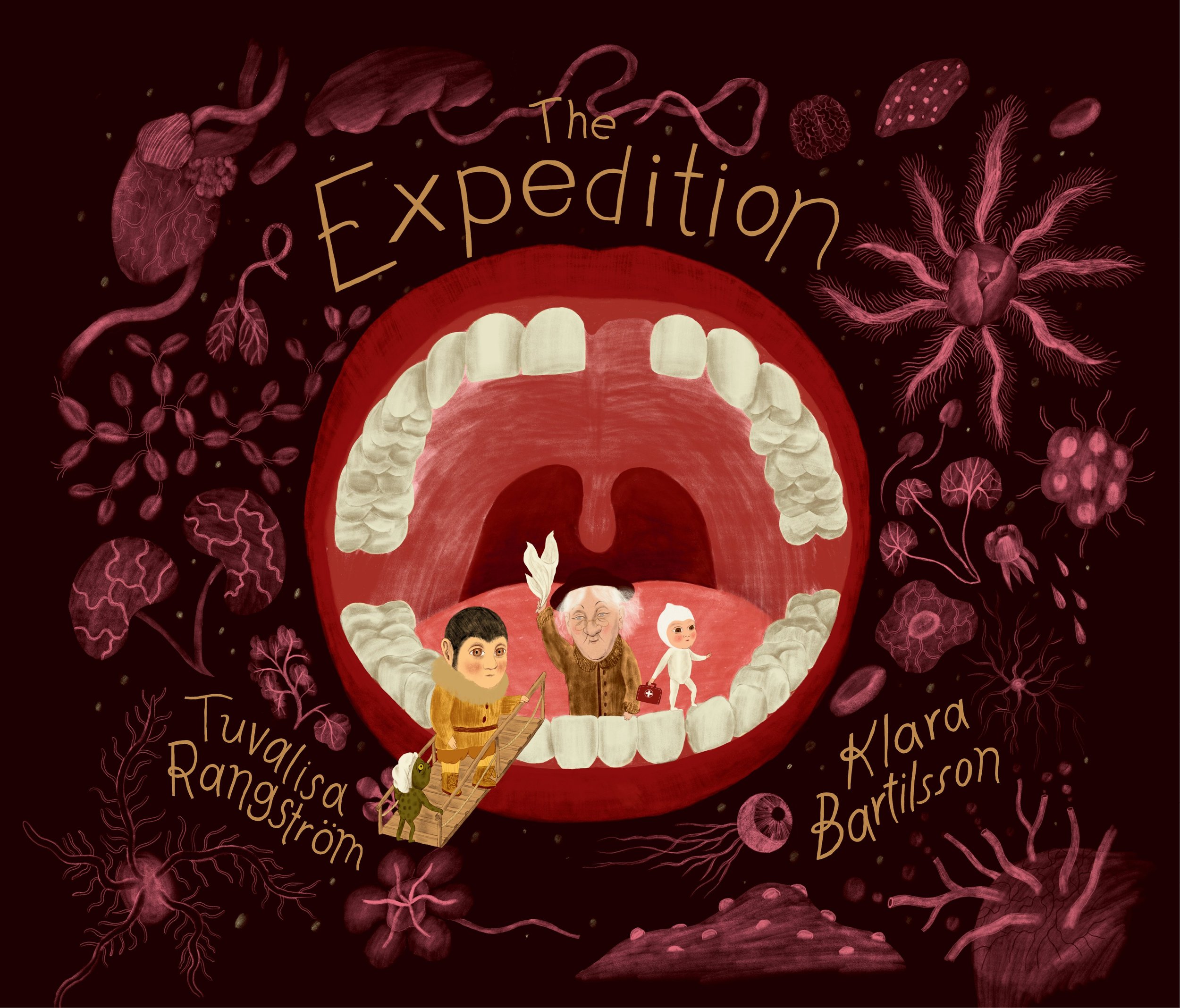
The Expedition by Tuvalisa Rangström and Klara Bartilsson (translated from Swedish by Saskia Vogel) $40
A band of intrepid explorers embarks on a voyage through a strange frontier filled with mystery and beauty: the human body! Donning his frock coat and ruffle collar, Tusseson documents everything that happens in his logbook: traveling by boat across the Stomach's Stormy Sea, paddling through the Small Intestine's Emerald Green Canals, camping at the Lungs (despite all the wind!), climbing the Muscle Mountains, escaping through the Nerve Forest to marvel at the night sky, Iris, reflected in the Pacific Tear Channel. As his fellow travelers return home one by one, Tusseson is left to carry on alone... but he won't give up until he finds the Mystical Meadows of the Brain. Featuring lush and surreal illustrations, The Expedition renders the systems of the human body into wondrous landscapes that take readers on a fantastic voyage like no other. [Hardback]
>>Look inside!
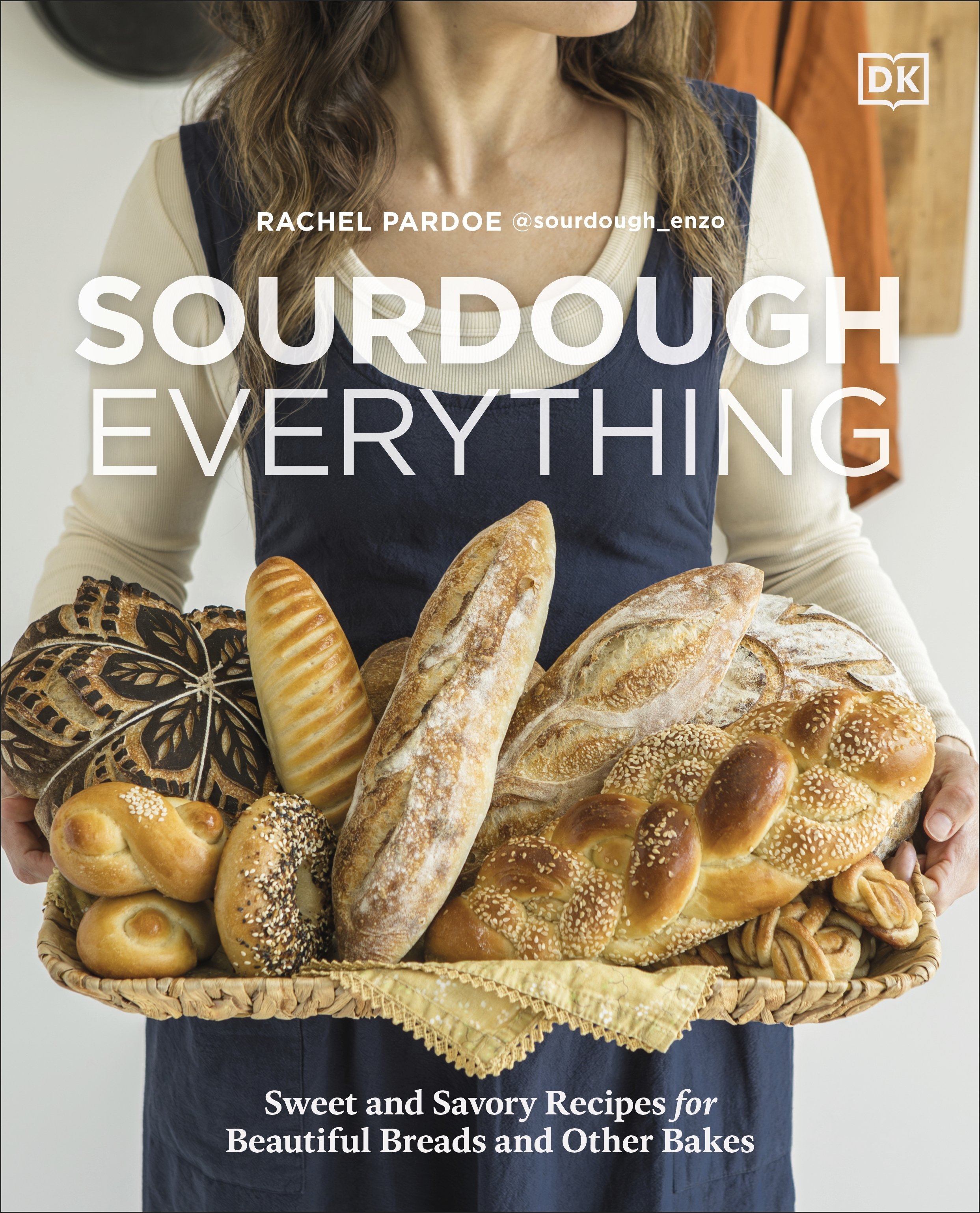
Sourdough Everything: sweet and savoury recipes for beautiful breads and other bakes by Rachel Pardoe $55
While it's part science and part craft, baking sourdough is actually very easy — create a starter, feed it with care, and then combine it with a few simple ingredients to make something truly magical. Even if you already have your own starter languishing in the fridge, Sourdough Everything will reinvigorate your sourdough experience and elevate your baking skills with an array of recipes ranging from artfully crafted loaves to flavorful rolls, sweet breads, and pastries. Featuring over 70 recipes, including sourdough raisin bread, pumpkin chocolate rolls, French crullers, and sourdough pretzels, Sourdough Everything will help you slow down and savor the experience of creating flavorful sourdough that is also a feast for the eyes. With step-by-step instructions, you'll learn how to: Create and care for your starter; Use proper baking techniques; Confidently navigate more advanced recipes; Use simple, everyday tools to create beautiful designs. [Hardback]
>>Look inside!
>>Pardoe is a good and clear explainer.