
NEW RELEASES (6.8.26)
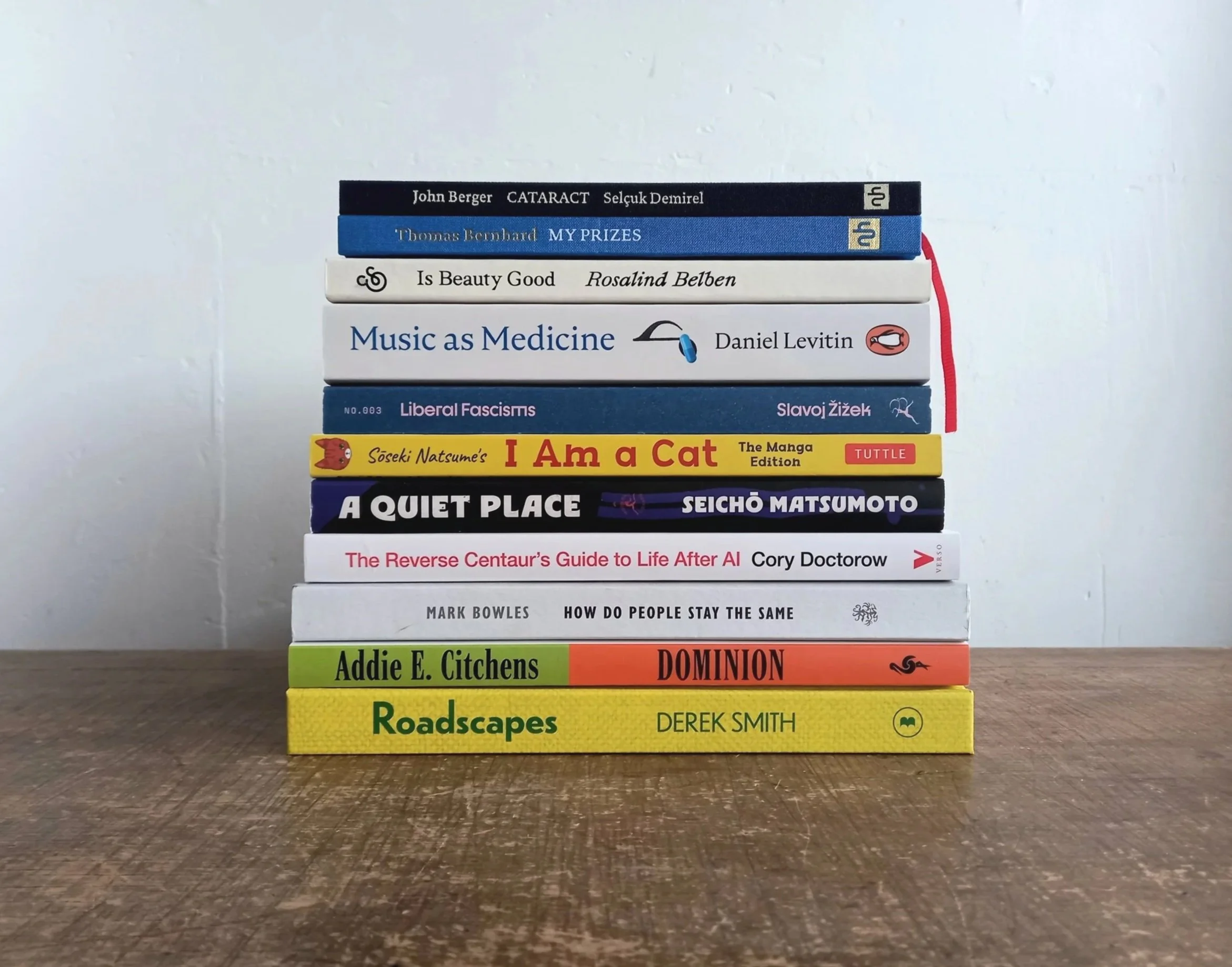
All your choices are good! Click through to our website (or just email us) to secure your copies. We will dispatch your books by overnight courier or have them ready to collect from our door in Church Street, Whakatū.
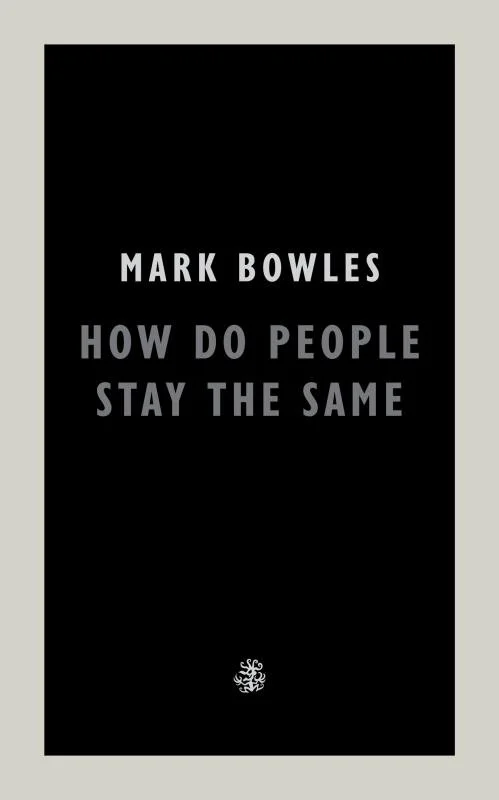
How Do People Stay The Same by Mark Bowles $45
Told as a series of journal entries that move backwards in time, How Do People Stay The Same follows the life of Patrick Boyd — from the present-day contentment of family life and back to a darker, lonelier childhood. How Do People Stay The Same lays all of Patrick's experience before us, with the challenges of work, housing and all the other pinpricks of existence jostling with his complex inner world. It reveals a fragile man ground down by the world around him — but who might just be able to change and might just have the hope of a brighter future. Featuring the exquisite prose and lacerating wit that readers loved so much in All My Precious Madness, How Do People Stay The Same is also a deeply tender project — an exploration of family, childhood, love, and the personal bonds that tie us together. [Paperback]
“Wondrous. A celebration of life — a remarkable balance of woe and cynicism and wonder and joy.” —Sara Baume
“Brilliant, stunning, unlike anything else around.” —Lars Iyer
“A journey backwards into and out of the darkness with a companion who is erudite, biting, witty, annoying, garrulous, overbearing, charming, angry, awkward and tender.” —C.D. Rose
“A savage and tender work of contemporary disquiet from one of the most distinctive voices in British fiction.” —Stu Hennigan
>>Read an extract!
>>They do and they don’t.
>>All My Precious Madness.
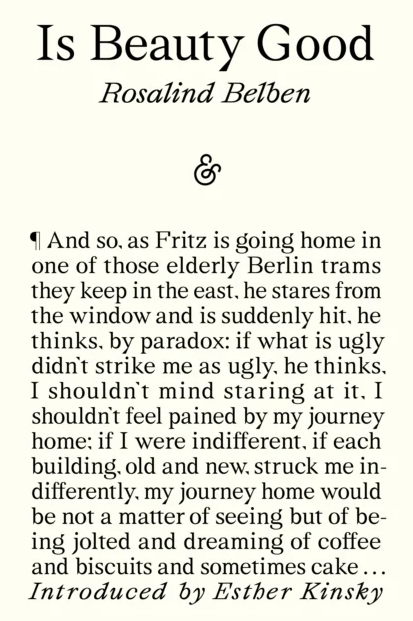
Is Beauty Good by Rosalind Belben $48
“We feel pain, says Fritz, because we need to feel pain, it saves us from being burnt, or hurt, or from walking blindly into danger, breaking a bone; but what does a sense of beauty save us from; what purpose is there in our being coruscated by passing uglinesses; there is little that is moral about beauty; or does it reinforce somehow our notion of moral good: is beauty good?” Is Beauty Good is a novel populated with voices, each musing, in its own way, on the titular question. In thirty short, self-contained chapters set in places as varied as Berlin trams, English gardens, and the tops of mountains, people talk to silent listeners, engage in soliloquy, or else write down their meditations for a stone-deaf man. Elegiac and ironic, the novel speaks most hauntingly of the loss of the natural world, which is of course related to the loss of all those senses and faculties of appreciation that make us feel alive. The sheer sensuous force of Rosalind Belben’s prose is on full display in this work of uncommon inventiveness and philosophical potency, which recalls the fictions of Virginia Woolf and Thomas Bernhard. Back in print at last, with an introduction by Esther Kinsky. [Paperback with French flaps]
'So extraordinarily good that one wants more, recognising a writer who can conjure an inner life and spirit, can envisage, in unconnected episodes, a complete world: one unified not by external circumstances but by patterns of the writer's mind.' —Isabel Quigly, Financial Times
'Belben's eye for the movement and texture of the natural world is extraordinarily acute and she has a poet's ear for language. A confession of fulfilment, of endless curiosity for, and love of life.' —Selina Hastings, Daily Telegraph
'Belben has written pages about sexual desire, frustration and loss which are clearer and more compelling than any I can think of in literature. An achievement to celebrate.' —Maggie Gee, The Observer
'From the publisher that brought Ann Quin back into print comes another lost classic from an English visionary. Rosalind Belben's work is both terrific and disconcerting, an essential read for lovers of extraordinary fiction.' —Camilla Grudova
'Extremely beautiful, utterly convincing, and rivals anything by Virginia Woolf.' —Melissa Harrison, The Guardian
'Belben takes a brief but unforgettable foray into the mind of an isolated middle-aged woman who describes herself as "an unfortunate ghost." Readers will be glad to discover this striking narrative.' —Publishers Weekly
'A seductively strange novel. In Belben's writing, time periods dissolve: the phenomenon of the medieval pageant is invoked; Robin Hood becomes a character; dreams are recorded; and desires rise up, then settle down.' —Rhian Sasseen, Electric Literature
'A complex, emotionally intense narrative with experimental shifts in style and tone, and vivid lyrical passages. Belben writes about nature with a poetic intensity that is quite wonderful, revealing a deep connection to the natural world, that her protagonist clearly shares.' —Joseph Schreiber, Rough Ghosts
>>The author reads from the first chapter.
>>Falling awake.
>>Writing ugly.
>>The foreplay of wordplay.
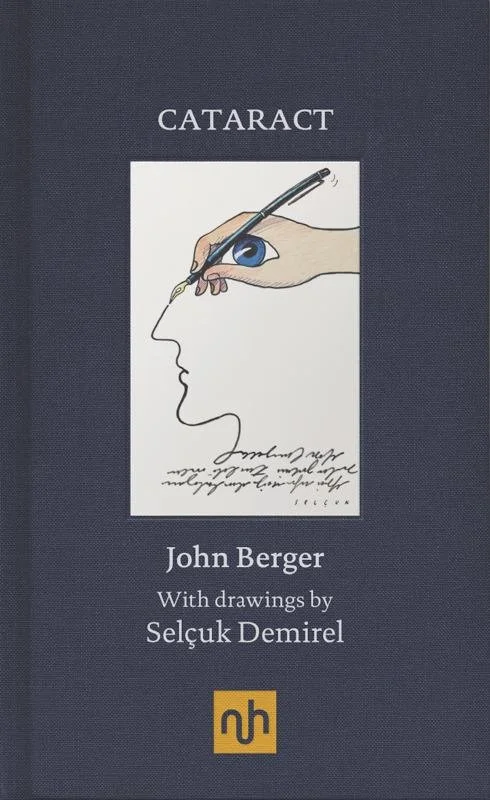
Cataract by John Berger, illustrated by Selçuk Demirel $30
What happens when an art critic loses some of his sight to cataracts? What wonders are glimpsed once vision is restored? In this impressionistic essay written in the spirit of Montaigne, John Berger, whose treatises on seeing have shaped cultural and media studies for decades, records the effects of cataract removal operations on each of his eyes. The result is an illuminated take on perception. Berger ponders how we can become accustomed to a loss of sense until a dulled world becomes the norm, and describes the sudden richness of reawakened sight with acute attention to sensory detail. This little book invites us to pay close attention to our own senses and wonder at their significance as we follow Berger's journey into a more vivid, differentiated way of seeing. Demirel's witty illustrations complement the text, creating a mini-world where eyes take on whimsical lives of their own. [Hardback]
>>Look inside.
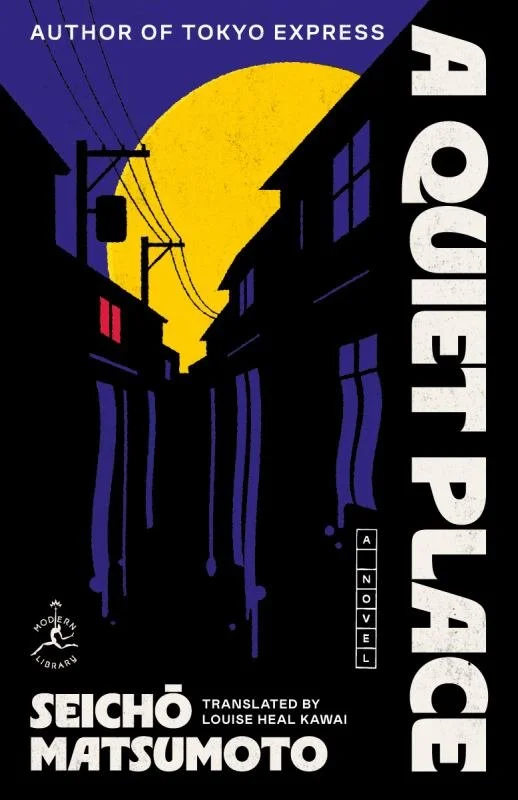
A Quiet Place by Seichō Matsumoto (translated from Japanese by Louise Heal Kawai) $48
While on an important business trip, Tsuneo Asai receives word that his wife, Eiko, has died of a heart attack. She has suffered from heart problems in the past, so her death isn't a complete shock, but she was tragically young to suffer such an end. Asai is rattled and sad but devotes himself fervently to his work as a government official to distract himself from the grief. It's not like his marriage was particularly passionate. But something about the circumstances of Eiko's demise is bothering him. Her heart attack struck while she was walking, alone, along a residential Tokyo street where she had no particular connections or reasons to be. During a curious visit to the small shop on that street, where Eiko took her last breath, Asai notices a hotel at the top of the hill, one obviously meant as a clandestine meeting place for lovers. He begins to wonder if his soft-spoken, haiku-obsessed wife might have been leading a double life. As Asai's discoveries cause his mental state to rapidly unravel, and normalcy becomes more and more untenable for him, the fraught relationship between career and domesticity in Japan is laid bare. [Paperback]
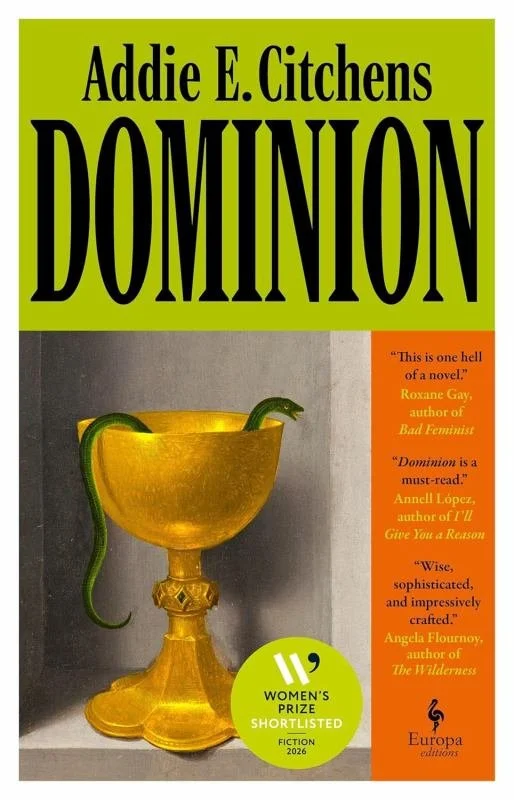
Dominion by Addie E. Citchens $33
In the town of Dominion, Mississippi, Reverend Sabre Winfrey, Jr. is more than a preacher. From his pulpit at the Seven Seals Baptist Church to the airwaves of his local radio station, he exerts influence over every aspect of society. By his side is his wife Priscilla, who types up his sermons and raises their five sons, favouring the youngest, Wonderboy. Handsome and adored, Wonderboy is destined to carry on his father’s legacy. But, after a violent altercation with a stranger, Wonderboy’s actions send shockwaves through the community. Told through the perspectives of the women who love these two men, this Morrisonian, God-troubled novel illuminates the pervasive sins of the patriarchy, and the bargains women strike to survive them. [Paperback]
Shortlisted for the 2026 Women’s Prize for Fiction.
"Mississippi is a mystifying language. In Dominion, Addie E. Citchens speaks it with a dazzling tongue. The book is at once ancestral and newborn, drunk with sugary grits beauty and sobering with a Black woman's truth. Citchens shows us that, in a world roamed by two-legged beasts whose robes are stitched with the blood and ruin of willful women, getting happy and getting free are vast contradictions." —Aunjanue Ellis-Taylor
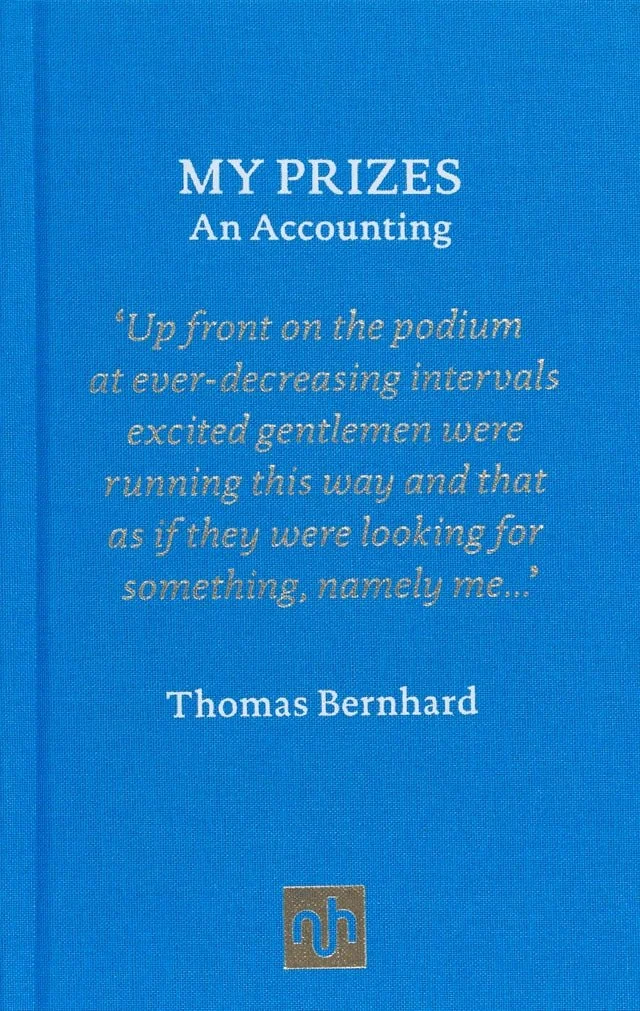
My Prizes: An accounting by Thomas Bernhard (translated from German by Carol Brown Janeway) $30
A brilliantly mordant memoir of the background and circumstances of nine literary prizes awarded to the Austrian novelist and enfant terrible between 1963 and 1980, followed by some of the speeches he delivered on those occasions. The result is a self-portrait of the artist as prizewinner and prize farceur: sardonic, biting the hand, relishing both the world and himself with bitter amusement. Preface by Frances Wilson. [Hardback]
"Thank goodness for Thomas Bernhard, the most truthful, the funniest, and the most musical of writers since Marcel Proust." —Gabriel Josipovici
>>The Grillparzer Prize.
>>Frances Wilson introduces the book.
>>Always a catastrophe.
>>Infected with admiration.
>>Kinetic loathing.
>>Other books by Thomas Bernhard.
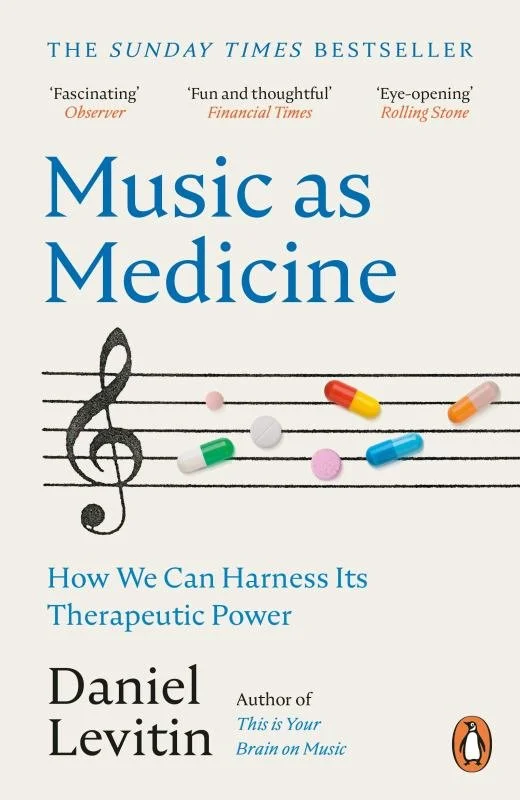
Music as Medicine: How we can harness its therapeutic power by Daniel Levitin $30
We are only just beginning to appreciate the healing power of music on our minds and bodies. Here, a neuroscientist and celebrated musician introduces a bold new paradigm for medical treatment. From explaining how 'rhythmic auditory stimulation' can fight multiple sclerosis, to examining why Tracy Chapman's songs might just help cure PTSD, Professor Daniel Levitin explores how we can use music to repair our bodies and heal our deepest psychological wounds. The result is both a surprising tour through the science of music, and a joyful celebration of humanity's oldest obsession. [Paperback]
”For many years I have wondered why a bunch of frequencies organised into a piece of music has the ability, even without words, to make the listener cry and become emotional. Although I know this happens to me and many people, I have often wondered how this can be. Dr Levitin, in this latest book, Music as Medicine, has some fascinating insights into this great phenomenon.” —Paul McCartney
”In this fascinating book, the neuroscientist makes a strong case for the therapeutic force of music. The book merges research, theory and intriguing anecdotes about Levitin's interactions with musicians as well as patients to provide evidence of his contention that music not only functions as a temporary uplift or soothing balm in times of trouble, but possesses a much deeper restorative quality.” Observer
”A fun and thoughtful read. A crash course in the aspects of neuroscience that relate to aspects of our daily lives: joy, pain, learning, memory. Levitin draws on a career's worth of experiments and scientific discovery to demonstrate the many ways music can and is being used to treat a number of ailments, whether Tourette syndrome or Alzheimer's.” —Financial Times
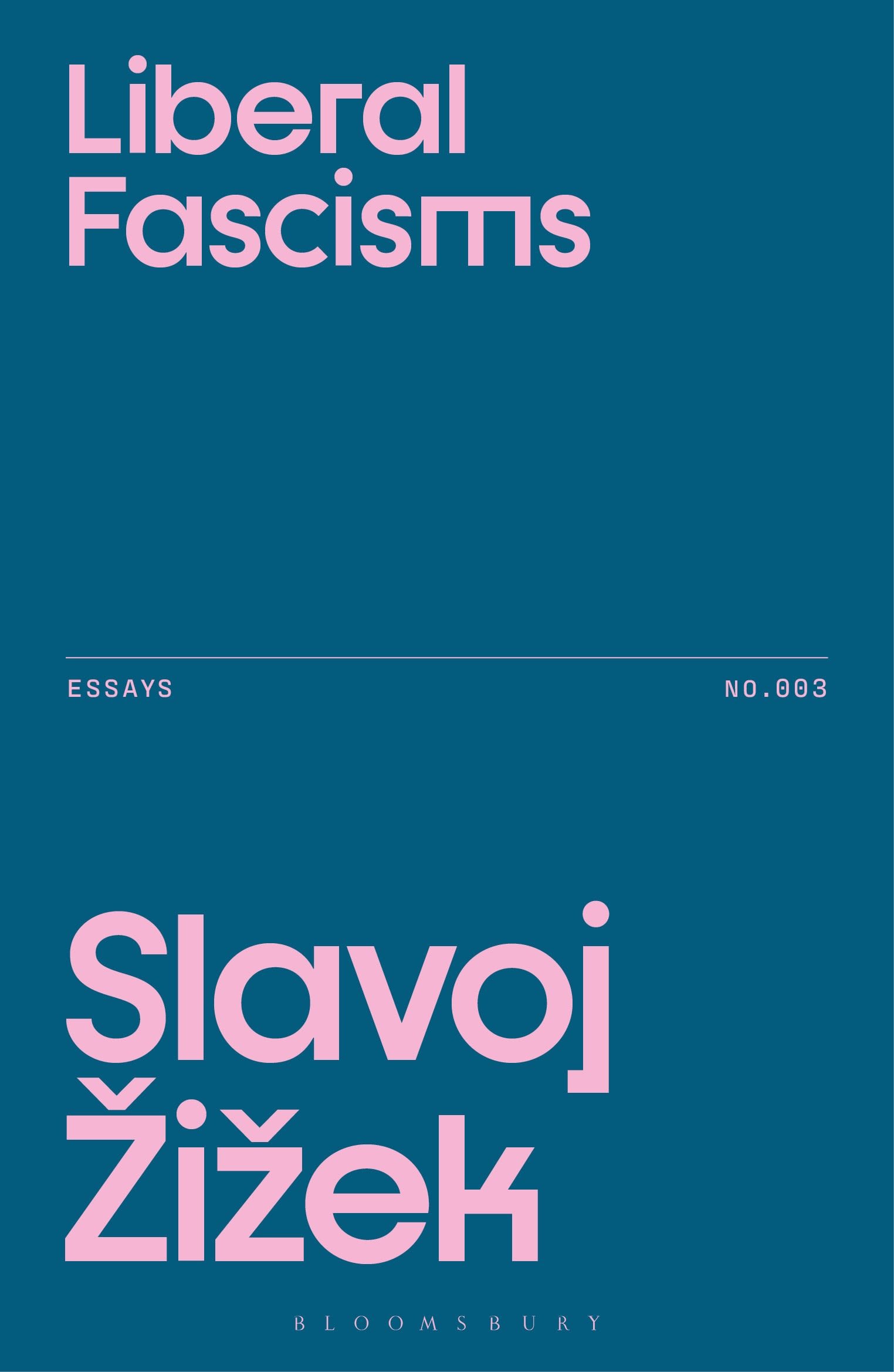
Liberal Fascisms by Slavoj Žižek $22
With a an apparently contradictory and characteristically makeshift term, 'Liberal Fascisms', Slavoj Zizek captures the paradoxical nature of political populism. To see this phenomenon as purely liberal and dictatorially fascistic is to expose liberalism and fascism as two sides of the same coin. The concept offers a glimpse into the murky landscape of half-lies and double-truths that Zizek enters in this latest collection of urgent essays. From the economy and politics to ideology, these short texts work through the different faces of liberal fascism, structured around a trio of the universal, the particular, and the single: our global predicament; Europe and the Middle East; Trump's America. Peeling back the inadequate labels we hasten to pin on the phenomena that terrify us — like 'post-truth' — to peer at the seeping wounds beneath them, these writings reveal the uneasy mixture of lies and truths that have always been stacked, matryoshka like, inside of one another. With no cure in hand, but a refusal to dispense with thought that is muddled and murky, the essays are timely and resolute. From the so-called "death of truth" opens up the possibility for a new authentic truth... or for an even worse big Lie. And we must ask: What forms of justice are made possible by this disorder? [Paperback]
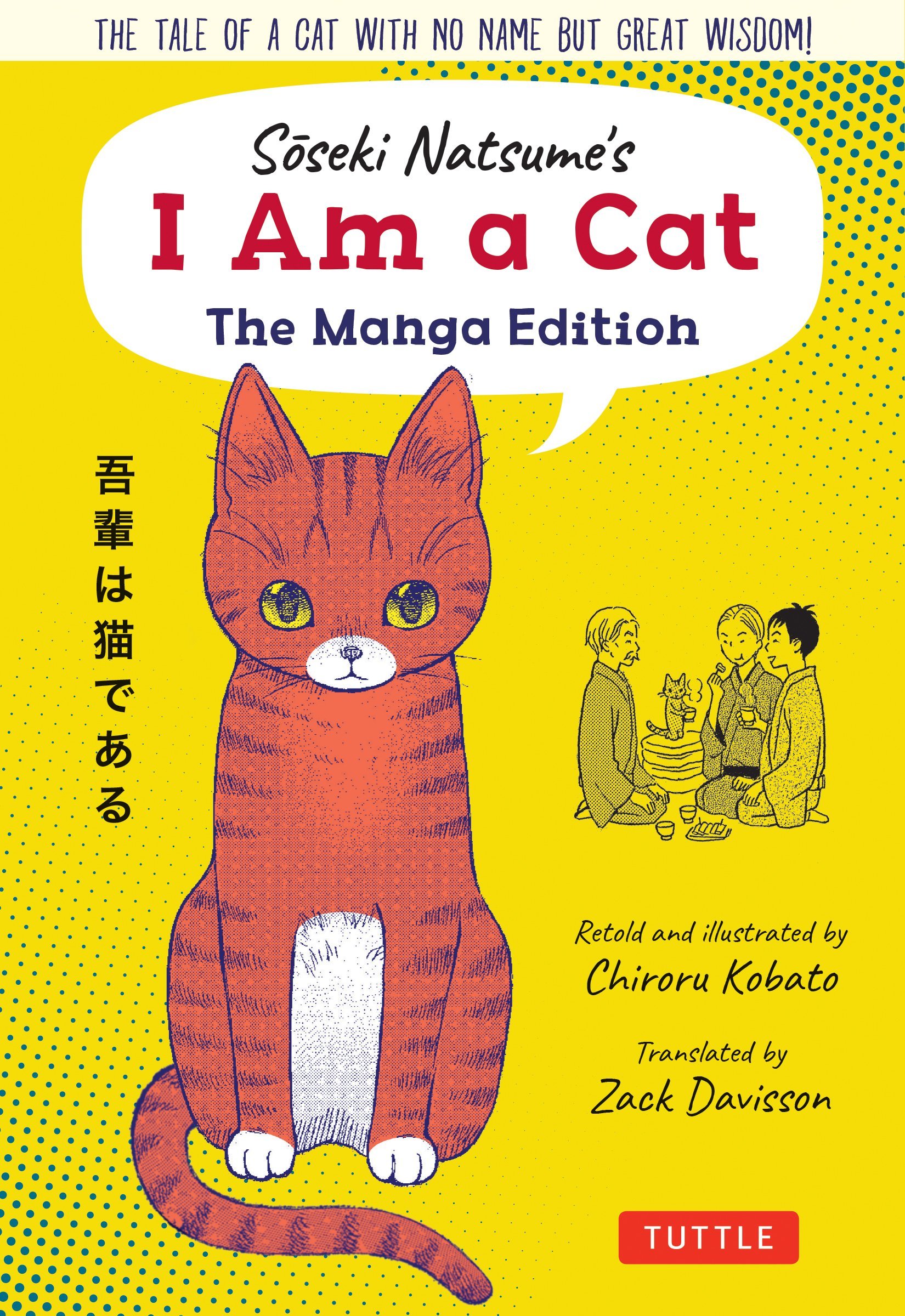
I Am a Cat: The manga edition by Sōseke Natsume, retold and illustrated by Chiroru Kobato (translated from Japanese by Zack Davisson) $30
Sōseki Natsume's comic masterpiece, I Am a Cat, satirises the foolishness of upper-middle-class Japanese society in early 20th century Tokyo. Written with biting wit and sardonic perspective, it follows the whimsical adventures of a rather cynical stray kitten. He finds his way into the home of an English teacher, where his running commentary on the follies and foibles of the people around him has been making readers laugh for more than a century. Illustrated by Japanese artist Chiroru Kobato, this edition provides a visual, entertaining look at a pivotal period in Japan's history — filled with cultural and societal changes, rapid modernisation and a feeling of limitless possibility — through the eyes of an unlikely narrator. [Paperback]
>>Look inside!
The Reverse Centaur’s Guide to Life After A.I.: How to think about artificial intelligence before it’s too late by Cory Doctorow $39
Whether you want to criticise, kill, or use A.I., you have to get through the hype and uncover the real story. Start with labour: in automation theory, a centaur is a person who chooses to use technology to help them do the things that matter to them. A reverse centaur is a person who has been conscripted to serve as a helper for a machine, at an inhuman, machine pace — a driver made to deliver all day long, nonstop; a warehouse worker made to work without food or bathroom breaks; a programmer made to crank out impossible amounts of code. As Doctorow says: it s not enough to ask what the technology does; we have to understand who it s doing it for and who it s doing it to. The intended audience for A.I. hype isn't the people who are forced to use A.I. The A.I. show is a performance staged for bosses and investors. Investment bankers claim A.I. will to be worth more than $16 trillion — a number that only makes sense if A.I. replaces vast swathes of the wage-earning human workforce. To justify that level of ‘value’, every story about A.I. must be presented as inevitable, world-changing disruption. Even the tales of the robot apocalypse are a calculated attempt to bolster the fearsome power of A.I. Anything that can't go on forever eventually stops. When the A.I. bubble bursts, what will we salvage? Is there something in the wreckage that everyday people will find useful? In The Reverse Centaur s Guide to Life After A.I. — as he did in Enshittification — Doctorow recounts both how we found ourselves in this dire situation and how we can get through it, to a life ‘after’ A.I. in which the tools work for us, not the other way around. [Paperback]
>>You can’t make billions without hurting people.
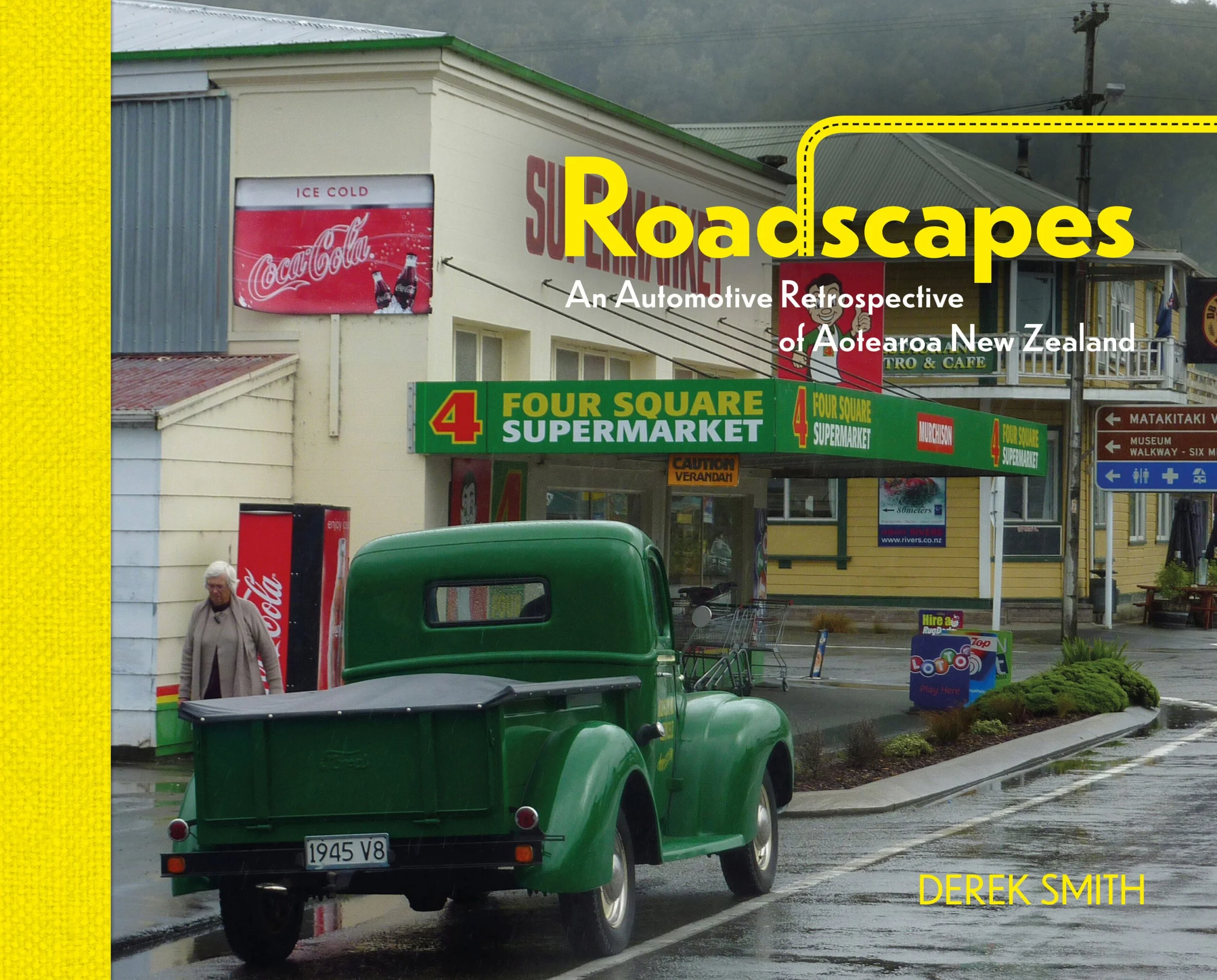
Roadscapes: An automotive retrospective of Aotearoa New Zealand by Derek Smith (photographer) $40
For four decades, photographer Derek Smith has explored the way New Zealanders travel, work, and express themselves through the vehicles they drive. Roadscapes is his compelling photographic journey through the heartland of New Zealand, capturing our unique car cultures and the social landscapes they inhabit across Aotearoa. Smith’s long career as an electricity meter reader has taken him to many unusual locations and attuned his eye for the perfect details. This is a book that will be appreciated for the quality of its photographs and observation of period detail even by people with no interest in cars. [Hardback]
>>Look inside!