
ON THE CALCULATION OF VOLUME (BOOK III) by Solvej Balle — Reviewed by Stella
In the week that installment five has landed, I’ve just completed book three. I’m eeking these out between other reading. One: so they remain distinct, and two: so I don’t finish what has been translated and then have an impatient wait for the seventh and final volume. So yes, still loving this stuck-in-November-18th meditation on life, time, and what makes us tick. In Books I and II, Tara was alone, attempting to navigate her way through this strange scenario — time standing still for everyone else but her. Waking to the start of the 18th yet again, the newspaper falling to the floor at the exact same time, the remeeting of acquaintances — for her a remeeting, for them the first time in that day. In the first book Tara tries to explain to her husband Thomas what has happened, but as each morning dawns she finds it harder to explain again, and he understanding but puzzled by her insistence of what is happening with time. In the second book, she decides to travel — to chase the seasons — to find variety in her day, finding ‘winter’ in the north. And at the close this book an obssession with the fall of Rome, trying to summon a reason for the time problem, only to find something more mysterious. A fellow traveller. In Book III, Henry and Tara exchange notes, discuss the autumnal day of 18th of November, and debate the reasons for their quandry. Book III begins as an investigation through two perspectives. Yet it’s not enough to keep the world they are now fragmented from at bay. Henry misses his young son in America, and Tara, her husband Thomas. Each return to their loved ones, promising to meet up again in 100 days. Tara at first starts to explain again each morning to Thomas what is happening, but as the days go by, she feels a terrible weight of responsibility for the confusion she is causing. She retreats once more to the spare room and is a secret within its walls, until a knock on the door announces something unexpected. Olga. Another person stuck in November 18th seeking her help. There are others. Book III widens the field: Tara is no longer just responsible for herself, but as part of a group navigating the world that moves around them. But what can a handful of people do in this stange scenario where they know the future (having lived through it multiple times)? Are they responsible for the actions of others, for accidents or encounters between people? And if they have been upended into this 18th November, why and what should or can they do about it? Is there a purpose or an opportunity to make the world different? By the close of Book III, as the small group try to find certainty in the situation; it feels like nothing is certain. This is an intriguing series, with its layers of thinking about time, our place in the world, our consumption of resources, our tentative hold on time, and what it means to be a human in a world fraught with ambiguities. In these books the mundane, the quotidian, meets the exceptional and philosophically inventive.
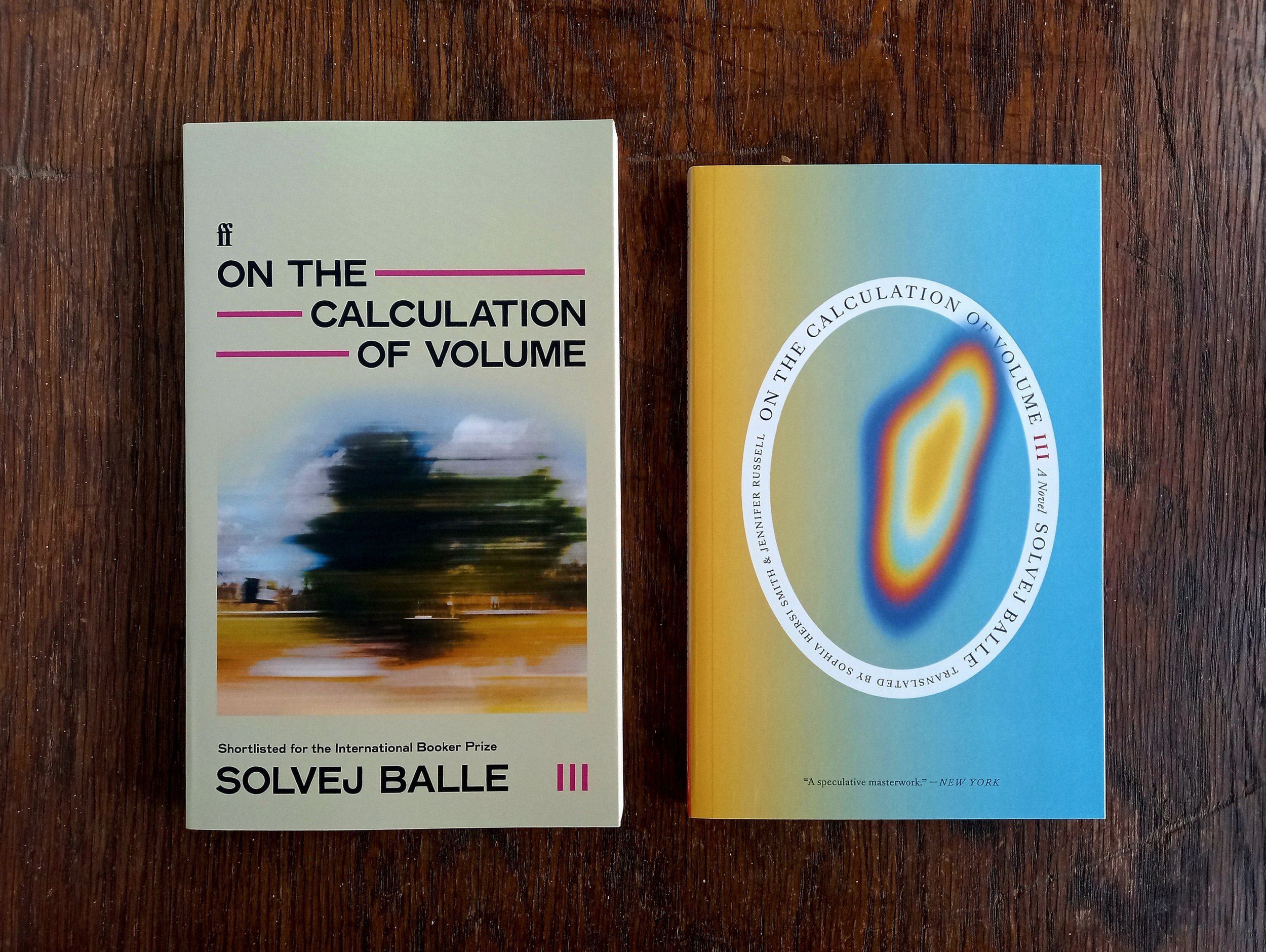
(and there is a choice of cover design!)