
NEW RELEASES (22.10.26)
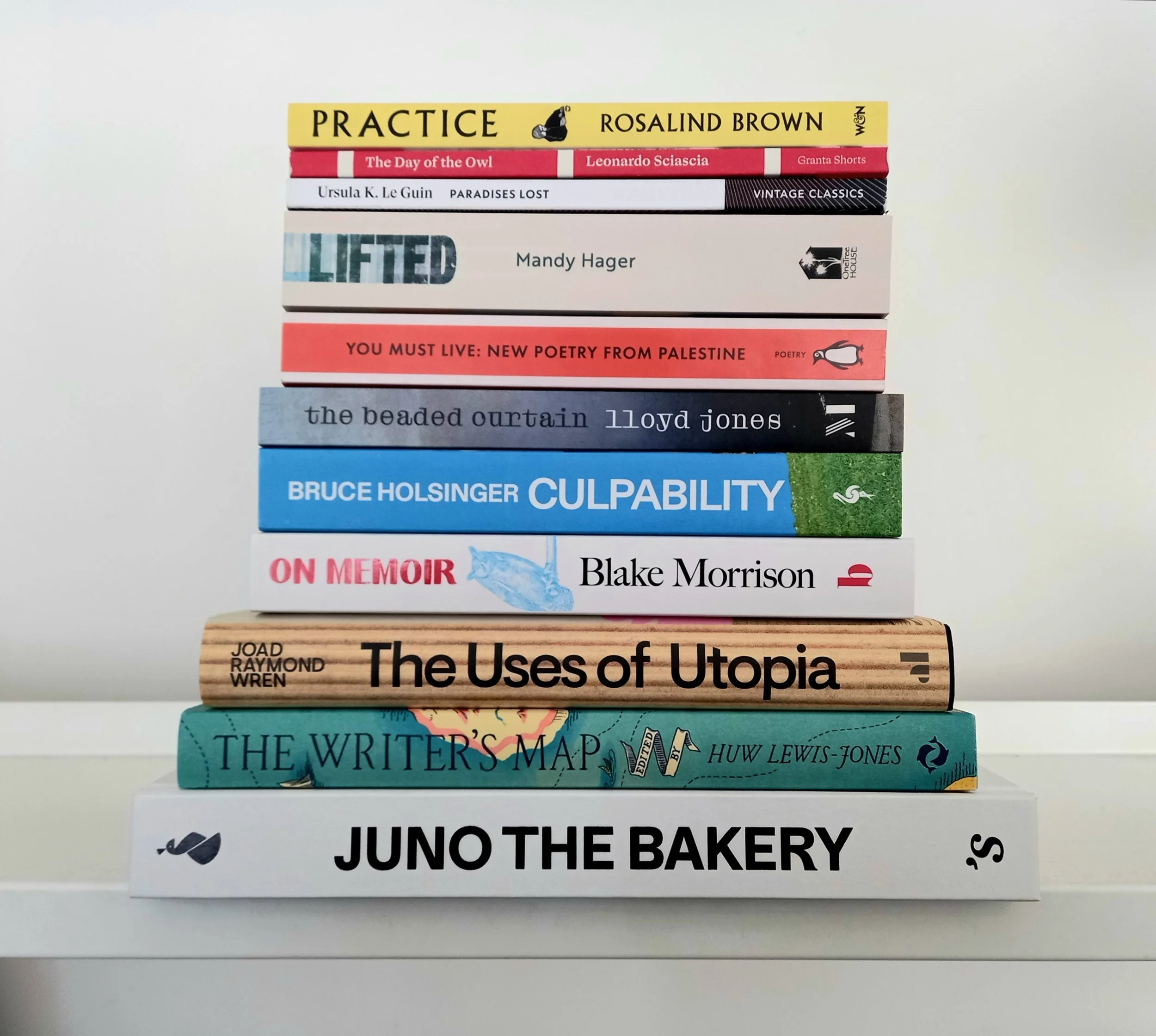
All your choices are good! Click through to our website (or just email us) to secure your copies. We will dispatch your books by overnight courier or have them ready to collect from our door in Church Street, Whakatū.
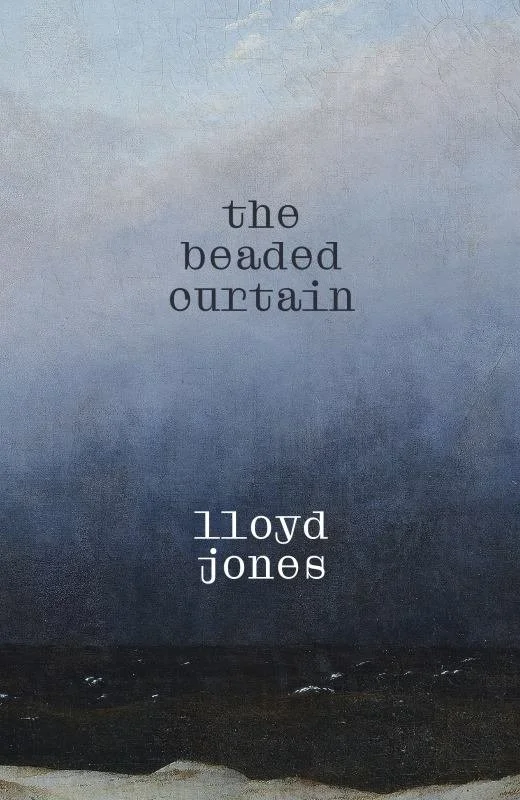
The Beaded Curtain by Lloyd Jones $40
Part autobiography, part memoir, part quest, lauded writer Lloyd Jones's The Beaded Curtain is a trenchant exploration of the artist as witness. The text gets about from Jones's Lower Hutt childhood and youthful wanderings across the USA to formative experiences such as seeing clothes from Hiroshima and his encounters with the Jewish Memorial in Berlin. From the hills of the Wairarapa to Hiroshima and Waiheke Island, he looks at examples of mavericks, in his own family and in those of poets and conscientious objectors. He is, throughout, daringly innovative, the text folding one event inside another. With language so precise and at times so coruscating that it may have been cut from stone, and with a candour and humanity that draws the reader deep into Jones's preoccupations and memories, The Beaded Curtain challenges, rails and mourns as he grapples with the past. [Paperback with French flaps]
‘A beaded curtain shifts and clatters in the doorway of Lloyd Jones’ mind, filtering early life, explorations, hauntings, and the terrible violences — domestic and global — that we too quickly turn from. This compelling narrative testifies to a writer’s vital work: paying attention and asking we do the same.’ — Kate De Goldi
>>Left on the page.
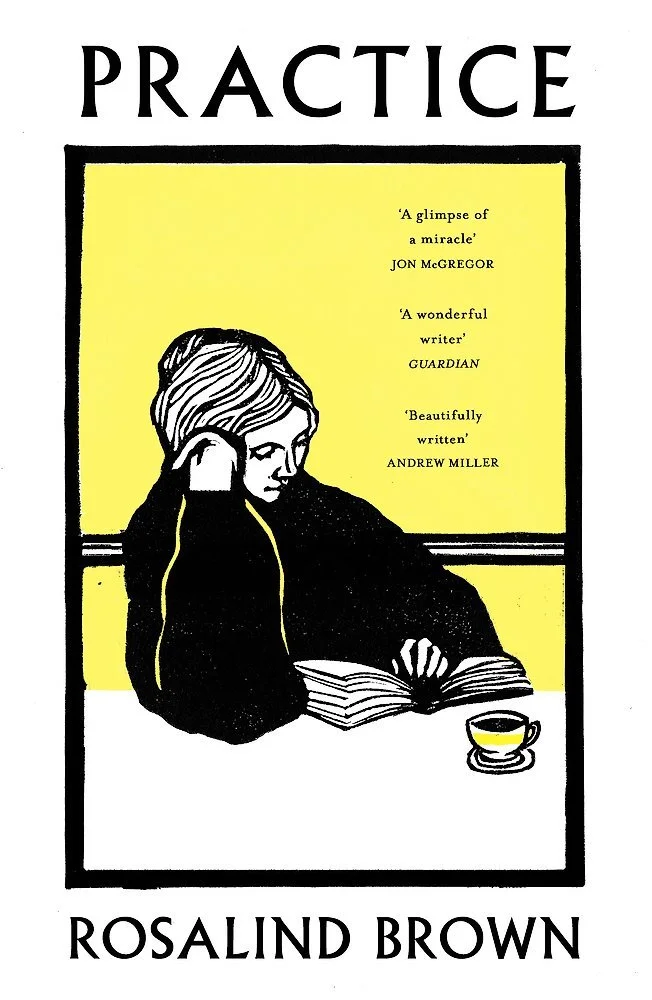
Practice by Rosalind Brown $28
In a small room in an Oxford college, at the worn-out end of January, Annabel works on an essay about Shakespeare. She has a carefully considered plan for her day, but as the essay's deadline looms, so too does the urge to procrastinate and the insistent presence of other people. Elaborate erotic fantasies, telephone calls from her boyfriend, family and friends who demand her attention, and darker crises, obliquely glimpsed — all these distractions threaten to disturb the much-cherished quiet in Annabel's mind. Nicely written. [Paperback]
”From the narrowest and most confined of premises, Rosalind Brown has conjured a novel as big as a world. Reading this book is a strange and shimmering joy; a glimpse of a miracle.” —Jon McGregor
”I had a lot of fun with Practice by Rosalind Brown. I think only she and Proust can get me into the space where I'm happy to read about someone walking across a room for all these pages. You're reading about reading; you have to be really good to do that in a compelling way.” —Helen Oyeyemi
”A novel spectacularly committed to a young woman's intellectual and bodily appetites, written in exact and tender prose.” —Sarah Moss
”A fascinating, beautifully wrought theatre of the mind that reminded me by turns of Virginia Woolf and Nicholson Baker.” —Olivia Laing
”A day in the life of an introspective and erudite student, Practice makes clear the gulf between an interior life and the one that is presented to the world. Rosalind Brown has a rare ability to record — with great humour, originality and near-hallucinogenic precision — the significance, or not, of each tumbling moment and thought.” —Jennifer Higgie
>>Language on the page.
>>Thick with its own threads.
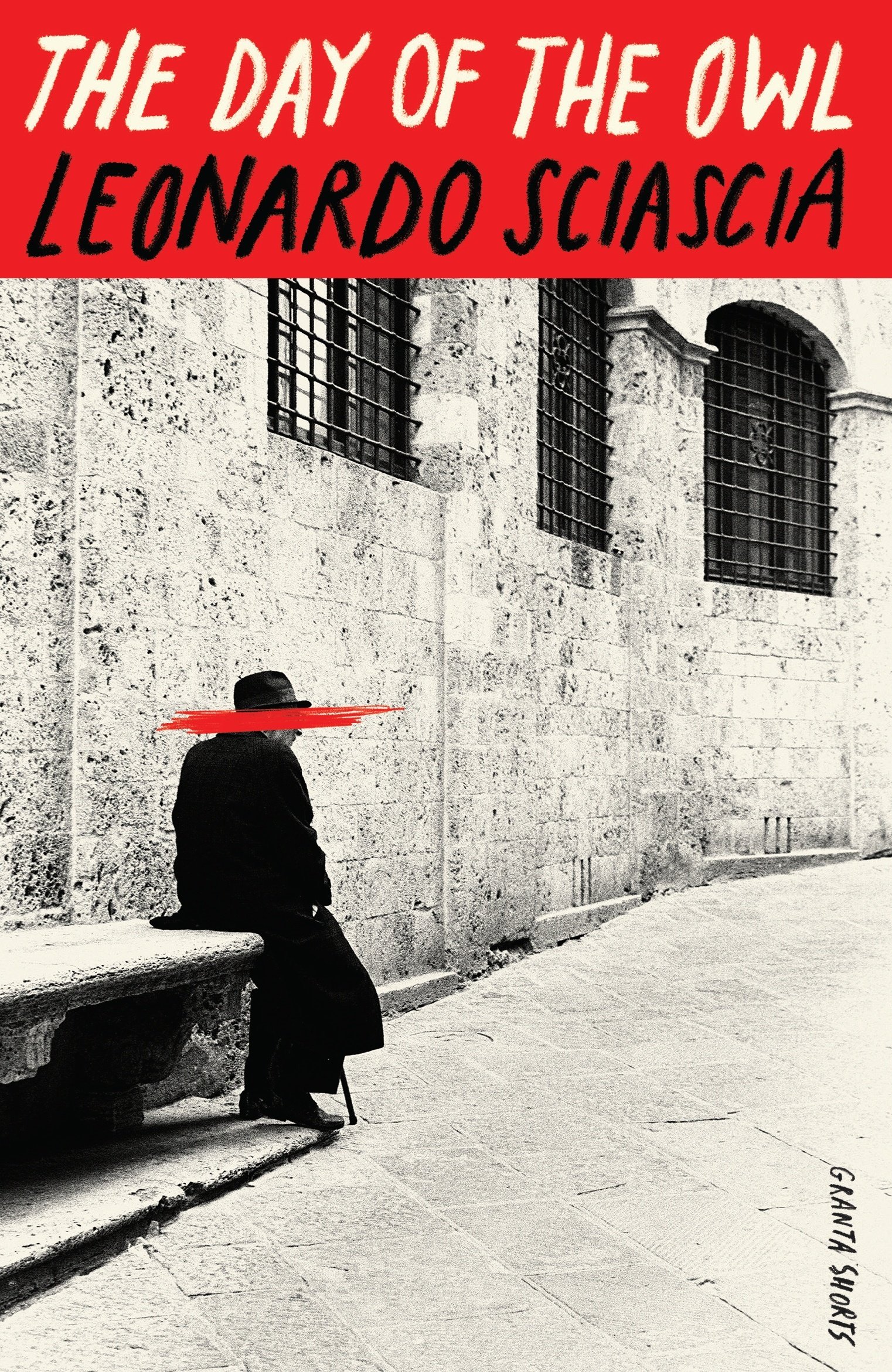
The Day of the Owl by Leonardo Sciascia (translated from Italian by Archibald Colquhoun and Arthur Oliver) $28
In the piazza, a man lies dead. No one will say if they witnessed his killing. This presents a challenge to the investigating officer, a man who earnestly believes in the values of a democratic and modern society. Indeed, his enquiries are soon blocked off by a wall of silence and vested interests; he must work against the community to save it and expose the truth. The narrative moves on two levels: that of the investigator, who reveals a chain of savage crimes; and that of the bystanders and watchers, of those complicit with secret power, whose gossipy, furtive conversations have only one end — to stop the truth coming out. [Paperback]
”The most intelligent detective story I have ever read and the ideal introduction to Sciascia's brilliant but little known oeuvre.” —Thomas Wright
”The best evocation of Sicily I've read, this is one for the crime connoisseurs.” —Leslie Forbes
”The accessibility and beauty of Sciascia's prose suggest he wanted it to be an antidote to the silent complicity and self-deception confronting both him and his heroes. When he wrote about crime, he was also writing about truth, solitude and belonging.” —Observer
”The first novel written in Italy about the mafia. Powerful and remarkable, full of telling details and uncomfortable truths.” —The Times
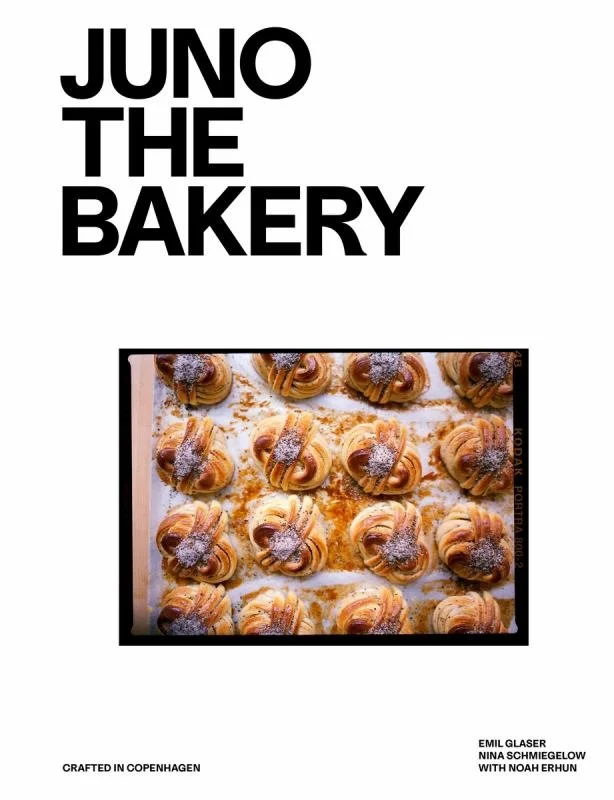
Juno the Bakery: Crafted in Copenhagen by Emil Glaser, Nina Schmiegelow, and Noah Erhun, with photographs by Petra Kleis $85
Recipes from the world-renowned neighbourhood bakery in Copenhagen. For the first time, Juno the Bakery shares a selection of the recipes that have made the bakery an international attraction in Copenhagen. Whether you are an amateur or an experienced baker, you can now bake buns, bread, and cakes from Juno the Bakery in your own kitchen. The book provides a thorough introduction to their sourdough breads, laminated puff pastry, and their world-renowned cardamom buns with recipes for bread, buns, croissants and cakes made with seasonal ingredients. In the Christmas chapter you can find recipes such as saffron scented Lucia buns, French nougat, and traditional Danish kransekage. Behind Juno the Bakery are Swedish Emil Glaser and his wife Nina Schmiegelow. In 2017 the couple opened the doors to the neighbourhood bakery at Århusgade 48 in Copenhagen. The goal is simple: the best ingredients, gentle preparation, and pure, delicious flavours. Photographer Petra Kleis has documented everything with photos of the bakery and the recipes. Recommended! [Hardback]
>>Look inside!
>>Lining up to go into the bakery.
You Must Live: New poetry from Palestine translated and edited by Tayseer Abu Odeh and Sherah Bloor, and edited by Jori Graham $32
Composed over the past few years and gathered under desperate conditions, these poems, which appear in the original Arabic alongside English translations, are haunted by the long spectre of occupation, transforming laments for lost family, friends and places into a new vision of home. This is a poetry of witness and profound lyric imagination, attuned to the hidden beauty of the natural landscape, the music of sparrows under crowded skies, the electricity of complex desire, daring to conceive a dazzling future beyond dispossession and military siege. You Must Live is the latest entry into the rich tradition of Palestinian poetry, negotiating the interplay between aesthetics and politics, the individual and the collective, to provide a glimpse into the full interiority of Palestinian life. [Paperback]
”These poems testify to the resilience of the artists, and the role that poetry still has to give voice and bear witness in times of crisis. Unsurprisingly, there's a taut urgency throughout. There's joy and humour too, even if the latter is pitch black.” —Rishi Dastidar, Guardian
”After years of massive sorrow and staggering dehumanization, this collection represents some of what has been lost — the neighborhoods; the exquisite loving consciousness; the proud and humble society; the triumphant bravery of precious human beings, families like yours and mine, who never stopped speaking and singing. This book should be required reading for every human being, especially those who have contributed to this disaster.” —Naomi Shihab Nye
”Everyone with any humanity in the face of what is happening in Palestine should read this outstanding collection of poetry. These words emerging from among the ruins of Gaza and from the devastation in the West Bank have an electric immediacy, a burning anger, a sadness over what has been lost, and a graphic sense of time and place which, for some of these poets, is a recording of their last moments of life. It is impossible to read these poems and remain unmoved, impossible not to feel awe for their courage, and impossible not to share their mixed anger and sadness. Like the greatest war poetry, more than any picture, any video, any reportage can, the words of these poets convey the full horror of life under siege.” —Rashid Khalidi
”You Must Live gathers testamentary art miraculously composed, in the midst of genocide, by poets who have borne unspeakable losses, the majority of whom are still within the debris fields of Gaza, survivors now on the precipice of famine, yet with pens in hand, in the ancient tradition of al-woquouf ala al-atlal, 'standing in the ruins' of the beloved. These poems are flares in a terrible darkness, here to show us the way back to our humanity.” —Carolyn Forche
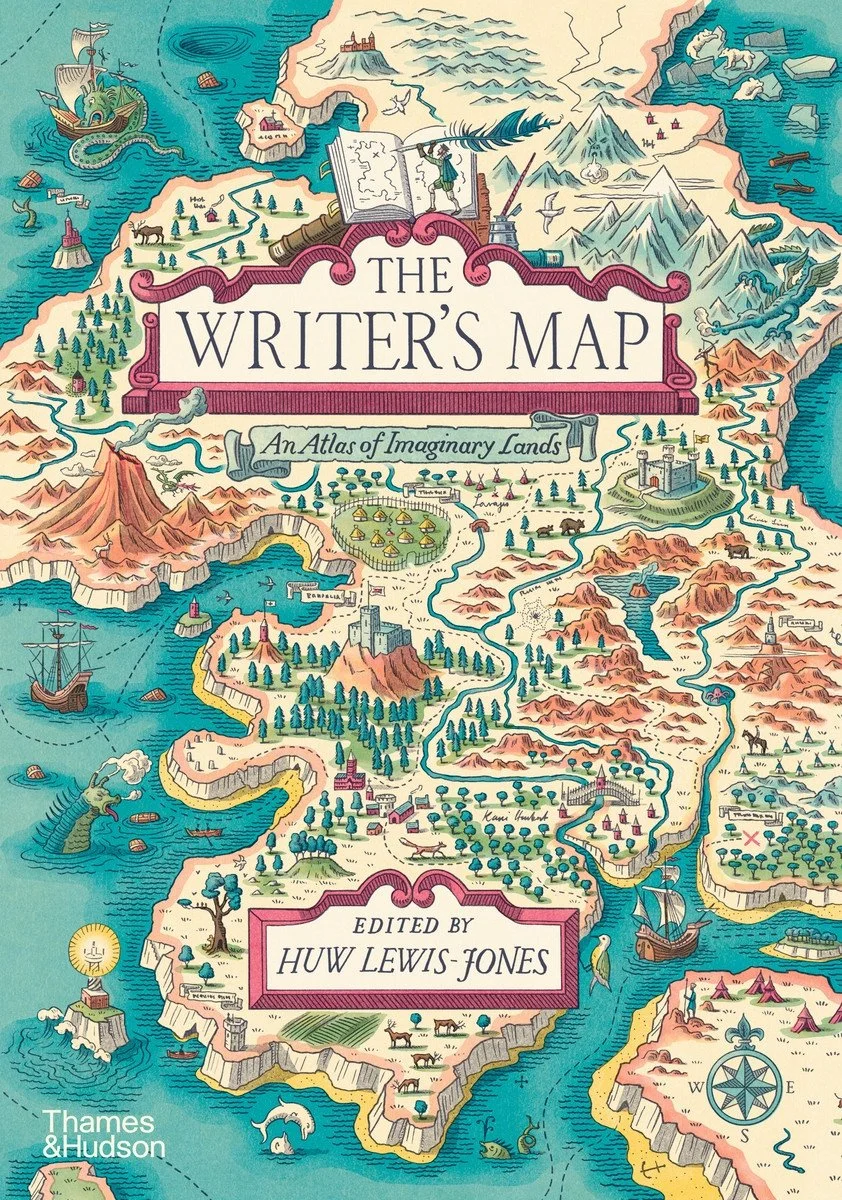
The Writer’s Map: An atlas of imaginary lands edited by Huw Lewis-Jones $60
What could be better than opening a new book to find a map of a yet-to-be-discovered world? If you were a child like me, you would have spent as many hours looking at the map and imagining yourself in it as you would have done reading (and re-reading) the book itself. From Milly Molly Mandy’s village — her home, the house that little friend Susan lived in, where they picked berries, the village green where the fete would be — to the land of Narnia through the wardrobe, maps in books were a key that opened a portal to the worlds beyond home, school and the dreariness of the ‘real’ world. Finding a Moomin book in the deaccessioned shelf at the public library was a discovery in itself, but that it included an amazing and delightful world, with a detailed map, was unforgettable. Maps still have that fascination and I never tire of atlases. There’s something about imagining oneself elsewhere. The Writer’s Map is a beautifully illustrated atlas of literary maps, edited by historian Huw Lewis-Jones, with accompanying insightful essays from writers, designers, and illustrators. They talk about the influence of maps on their own work, the importance of map-making in creating plot and place, and the wondrous spaces, emotional and physical, where maps have taken and continue to take them. Philip Pullman, the creator of Northern Lights, opens with an essay entitled 'A Plausible Possible', where he describes creating a map for a book he wrote called The Tin Princess. To create a plausible scenario for his princess, Adelaide, he needed a possible world where the plot could play out. Other authors in the book write about the relationship between map-making and fiction: David Mitchell sketches and draws maps for his books, even though these do not appear in the finished novels. There are examples from his private notebooks showing islands, mountain trails, and fortifications. “Maps of fictitious places are maps of mind. You lose yourself in them and find, if not factual truth, then other kinds.” Brian Selznick, the author/illustrator of several amazing books, remembers his fascination with the anatomy section of his Golden Encyclopedia, with its mapping of the human bodies, and all the pathways of connected systems played out with layered acetate sheets. As a ten-year-old, he had a major operation, one that he recovered slowly from. Drawing was his world and continued to be so. “We all end up drawing the maps to our own futures, though we usually don’t know it at the time.” The book is split into four sections, 'Make Believe', with introductory essays from Huw Lewis-Jones and Brian Sibley; 'Writing Maps', with author contributions; 'Creating Maps', with contributions from illustrators and designers; and Reading Maps. Many of the contributors draw on their childhood memories and their love of books and maps, and how these influenced their own work. References include Treasure Island, Middle-Earth, Narnia, and Moomin Valley. They also outline their journeys as map-makers, storytellers, and creators of imaginary worlds. The Writer’s Map is lavishly illustrated and a pleasure to read. It will have you wanting to delve into an imaginary world immediately or to take up your pencil to draw your very own. Highly recommended for lovers of books and maps. —Stella [New paperback edition with French flaps. Illustrated throughout]
>>Look inside!
On Memoir: An A—Z of life writing by Blake Morrison $37
A gloriously freewheeling exploration of narrative non-fiction, its challenges, ethics and charms, and its power to move and change us. From A.I. to Ethics to Politics to Sex, there is something for every reader and writer in this modern classic. Gleaned from a lifetime as a passionate reader of others’ lives, as well as an unflinchingly honest chronicler of his own, Morrison’s A-Z is a trove of thoughtful literary exploration, amusing observations, and fascinating finds. [Paperback]
'Fiction writing guides are ten-a-penny but useful memoir manuals are rare. This charming compendium from the author and poet Blake Morrison helps to redress the balance, offering up handy (but never stuffy) advice on how best to tackle narrative non-fiction.' —The Times
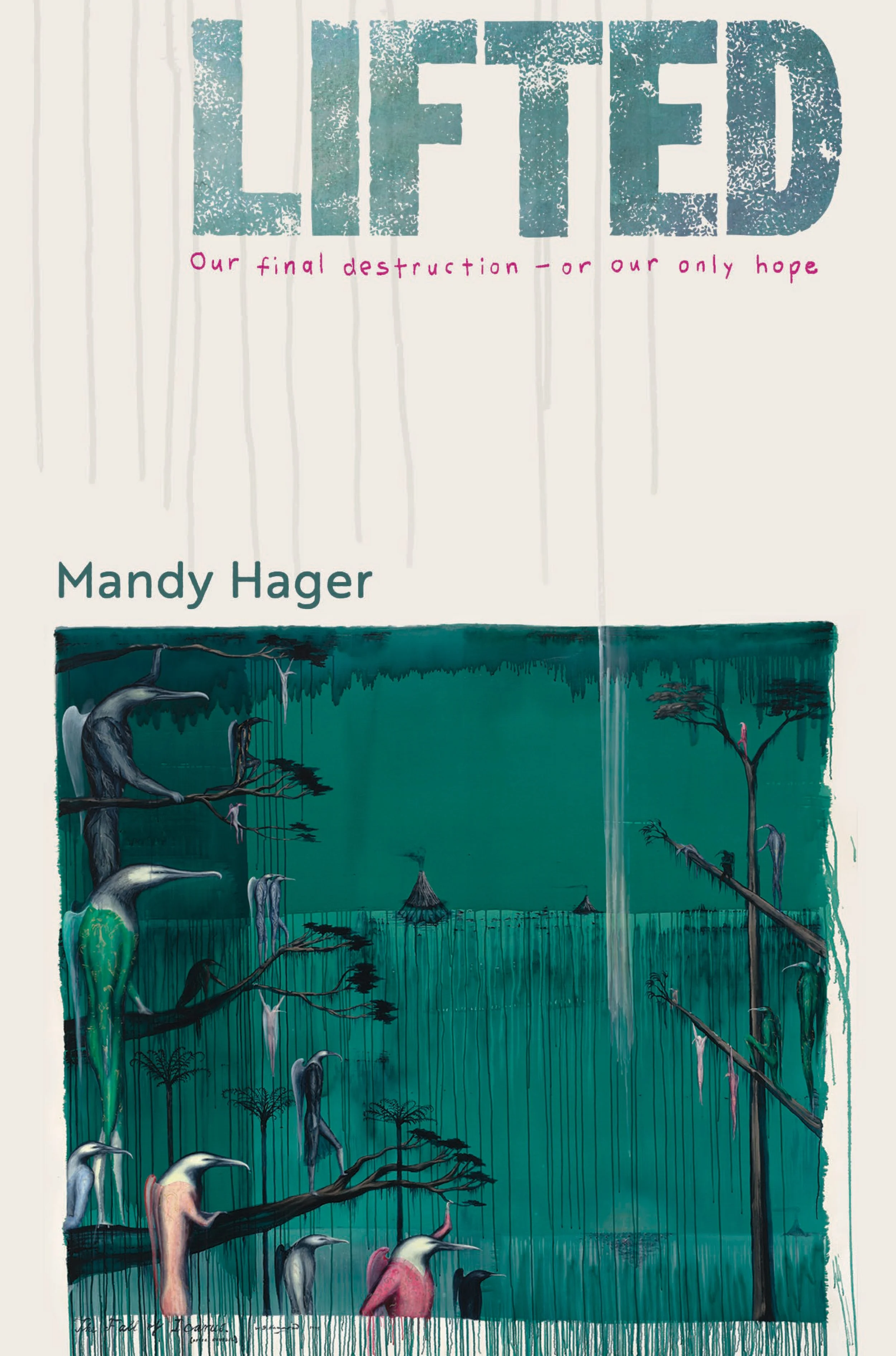
Lifted by Mady Hager $30
Elora, Librarian of The Sanctuary, faces an impossible choice: allow herself to be trapped and Lifted, or stay and risk dying alone. In a world devastated by climate collapse and haunted by a mysterious alien presence, seventeen-year-old Elora is the last-trained Librarian safeguarding humanity’s remaining knowledge. When a stranger arrives with a message claiming her long-dead father is alive, Elora is forced to question everything she believes. As hope, grief, and duty collide, she must decide whether to leave the safety of her mountain refuge and risk everything for the truth. A blend of science fiction and coming-of-age adventure, Lifted explores survival, legacy, and what it means to be human in a fractured world where one young woman may hold the key to humanity’s future. The story is inspired by Bill Hammond’s ‘The Fall of Icarus’ which is depicted on the cover. [Paperback]
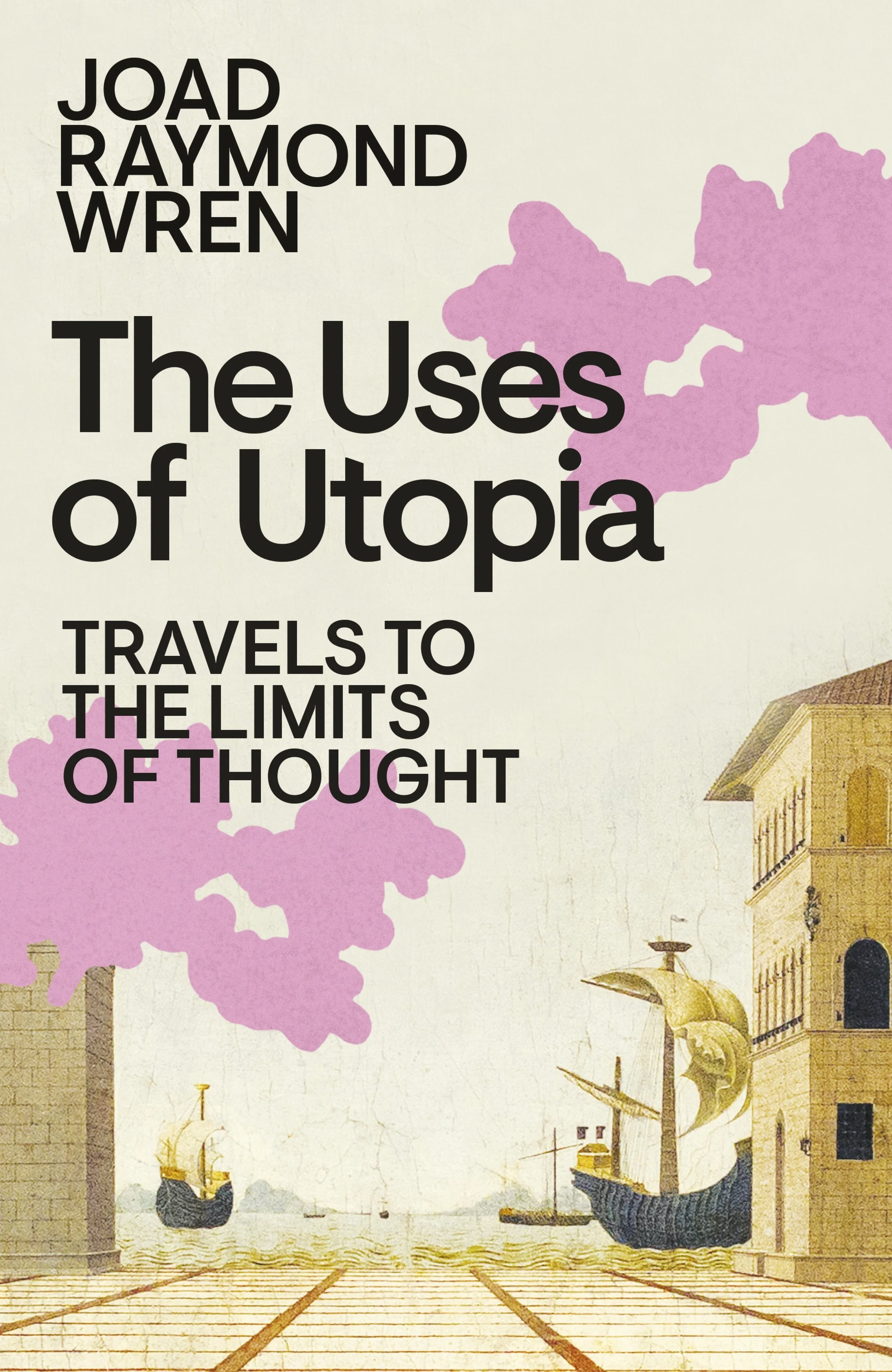
The Uses of Utopia: Travels to the limits of thought by Joan Raymond Wren $65
Utopia is not somewhere you can go. But neither is it an idle fantasy. It runs through history and literature from Plato to Thomas More, Margaret Cavendish to Ursula Le Guin. Utopia, this book shows, was for them a tool for exploring the horizons of thought, asking the unaskable and challenging entrenched assumptions about how society has to be. The Uses of Utopia travels not only to the remote islands, parallel realities and distant planets where this played out, but also the places where those inspired by visions of perfection tried to establish them, from the egalitarian communities built in colonial Mexico to the novelist Etienne Cabet's disastrous attempt to realise socialism on the Mississippi. We see the groundbreaking ideas, about liberty and the law, sex and the sexes, work and wealth, that imagining an ideal society made possible. We hear the voices of radicals of many kinds talking freely to each other — and also to us. Here, in our imperfect world, how will you use utopia? [Hardback]
”A fascinating intellectual history.” —Guardian
>>Vanishing into the great flow of society.
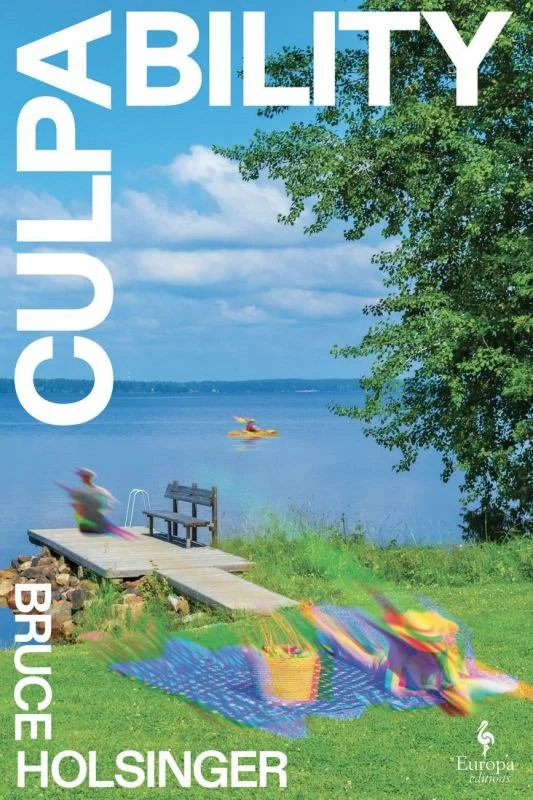
Culpability by Bruce Holsinger $38
When the Cassidy-Shaws' autonomous minivan collides with an oncoming car, killing an elderly couple, seventeen-year-old Charlie is in the driver's seat, with his father, Noah, riding shotgun. In the back seat, Alice and Izzy are on their phones, while their mother, Lorelei, a world leader in the field of artificial intelligence, is absorbed in her work. Yet each family member harbours a secret, implicating them all in the tragic accident. During a weeklong recovery vacation in the final days of summer, the family confronts the excruciating moral dilemmas triggered by the crash. Noah tries to hold the family together as a seemingly routine police investigation jeopardises Charlie's future. Alice and Izzy turn strangely furtive. And Lorelei's odd behavior tugs at Noah's suspicions that there is a darker truth behind the incident — suspicions heightened by the sudden intrusion of Daniel Monet, a tech mogul whose mysterious history with Lorelei hints at betrayal. When Charlie falls for Monet's teenaged daughter, the stakes are raised even higher in this propulsive family drama that is also a fascinating exploration of the moral responsibility and ethical consequences of AI. Culpability explores a world newly shaped by chatbots, autonomous cars, drones, and other nonhuman forces in ways that are thrilling, challenging, and provocative. [Paperback]
"Reminiscent of the work of Richard Powers and Don DeLillo, Culpability is a compelling narrative about the perils of the digital age.” —Mary Morris
>>Desperate efficiency.
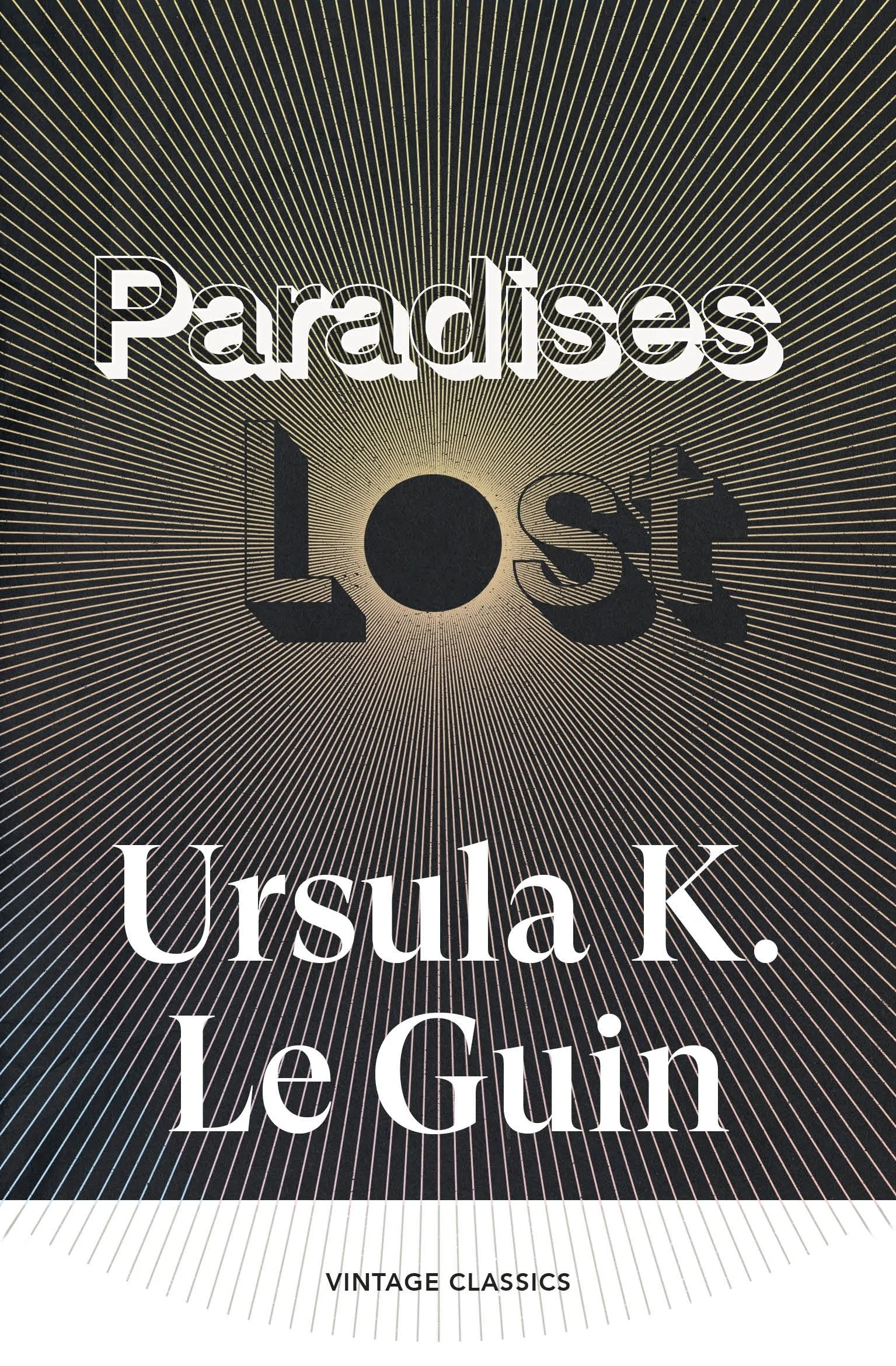
Paradises Lost by Ursula K. Le Guin $24
'Our job is to travel. A different job from arrival.' What happens when you spend your whole life—entire generations—traveling toward a goal until the endpoint becomes unattainable? As voyagers on the starship Discovery are born and live their lives on a trip to colonise a distant planet, their metal-encased world becomes more tangible to them than Earth, which they have never seen. Hsing and Luis, members of the fifth generation born during the voyage, know that the ship's ultimate destination lies in the hands of future generations, but the followers of Bliss—a religion emerging from their cocoon in space—believe that they should remain inside their spaceship heaven for eternity. They confront the followers of Bliss, and plots arise on both sides: those who want to land on the planet and those who want to travel through heaven forever, in Bliss. When the voyage is unexpectedly shortened, conflict becomes crisis. [Paperback]