
NEW RELEASES (13.10.26)
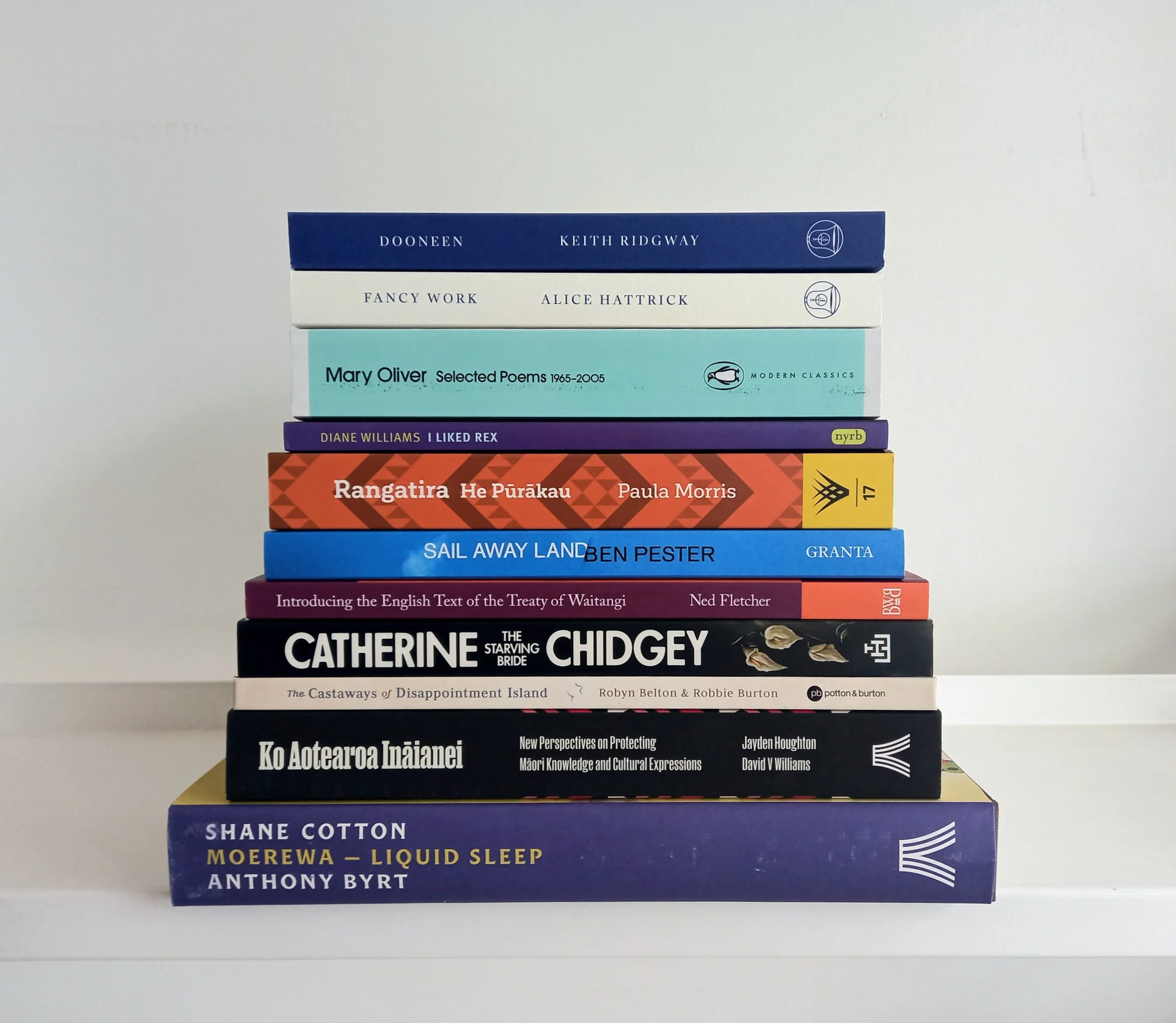
All your choices are good! Click through to our website (or just email us) to secure your copies. We will dispatch your books by overnight courier or have them ready to collect from our door in Church Street, Whakatū.
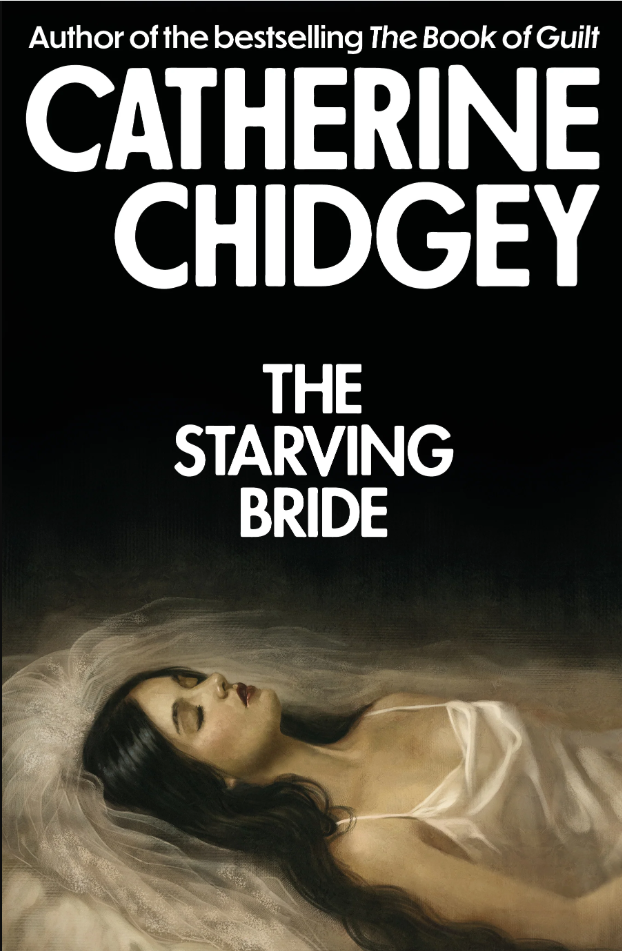
The Starving Bride by Catherine Chidgey $38
Look at her. How serene she is in her long white dress, eyes closed like a stone copy of herself. Perhaps she lives on air. We would like a little piece of her — a hank of hair, a pared fingernail slender as a new moon, a wisp of skin peeled from a sunburned shoulder. England, the near future. Dumped by her boyfriend, fired from her job and estranged from her parents, Hazel Whitlock signs up for a sideshow act in Blackpool. The seaside resort has revived all the cancelled old favourites and she will be the Starving Bride. On display in the iconic Blackpool Tower, with a ravenous lion prowling the enclosure, Hazel must lie in silence while strangers view her body.As the days tick down, thousands are captivated by Hazel's transformation. Some are inspired. Some are obsessed. And some are watching far more closely than they should be. Hazel's old friend Gilda becomes increasingly worried for her welfare. Councillor Frank Marsh warns that the Tower could collapse — but no one will listen. As the spectacle spirals and the world outside grows increasingly unstable, Hazel must confront the truth: how far is she willing to go to be seen? [Paperback]
>>Ozempic and The Starving Bride.
>>Our always-performing world.
>>Scrutiny of women’s bodies.
>>Other books by Catherine Chidgey.
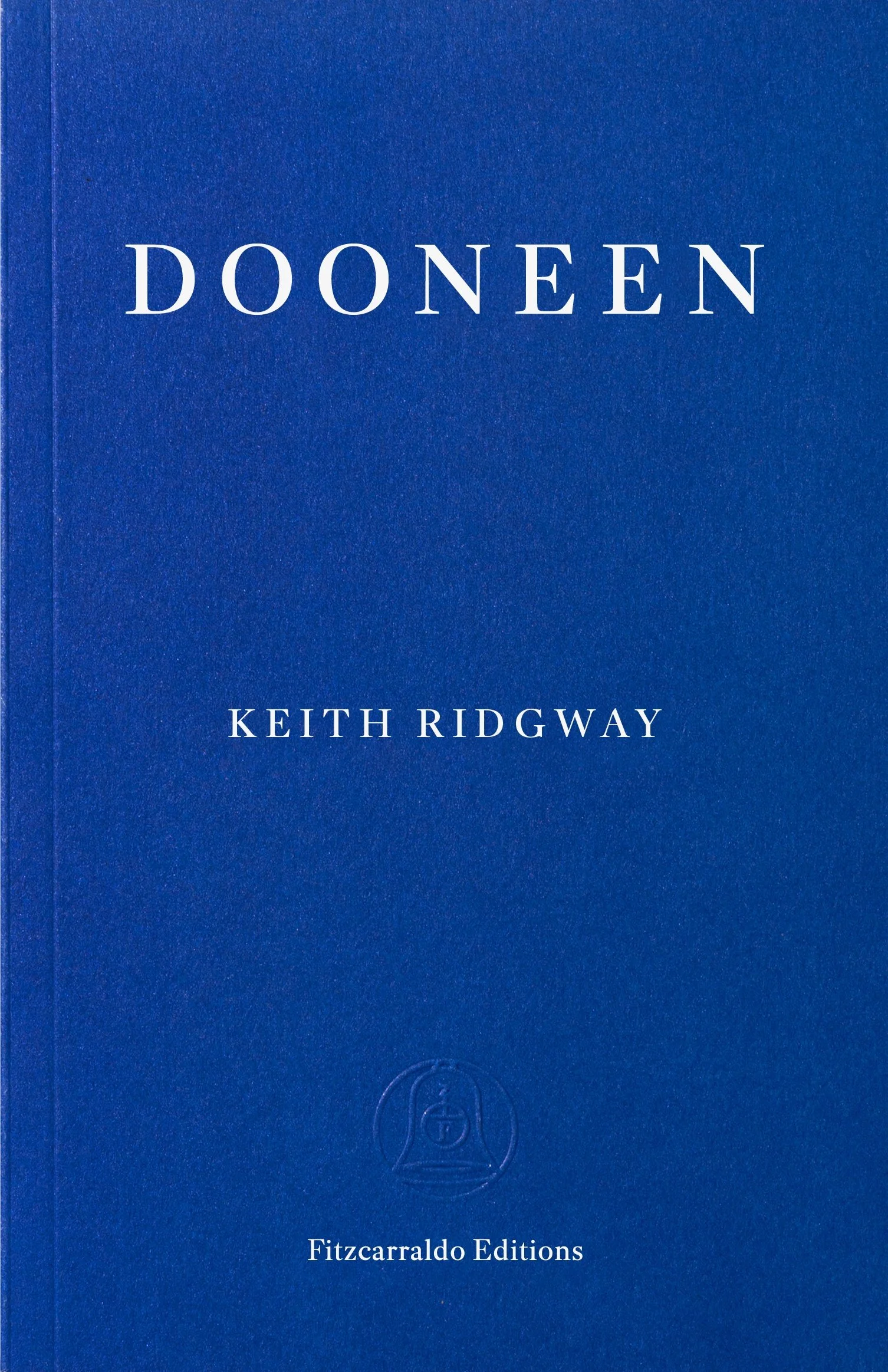
Dooneen by Keith Ridgway $33
Bartholomew Port, known to all as Mew, steps into the bushes in a London park and steps out of the bushes in a Dublin one. Not only that — there are no cars; there are moving footpaths; there is no church; everything seems quite queer. Home by invitation, he has arrived in a Dublin that is alive with song, with rumour, with tunnels, with ghosts, and with an unmistakable sense of insurgency. In this suspiciously timeless city that breathes an old revolutionary air, Mew fiercely misses his beloved Mootie, back home in London. An unraveling, an impossibility, a gathering of voices, and a single dream, Dooneen is the layered, allusive and wildly original new novel from Keith Ridgway, "one of Ireland's best writers, in a country with no shortage of them" (The Times). [Paperback with French flaps]
'Ridgway has written a near perfect dream — a rebellion against reality, against space and form — but the blood is real, the panic, the love and friendship are there in front of you, can almost be touched. They don't like you to say "masterpiece" in the endorsements, but read it, and tell me, what else can you call it?' —Ben Pester
'Dublin through-and-through but universal, timeless yet punctual to the world right now. Ridgway's uniquely questioning, epigrammatic voice picks out the personal, the political, the absurd, the deeply serious, strobing away at how to read, how to write, the dangers of narrative and other oppressions, how to find meaning and how to resist, how to live. In this mysterious, miraculous novel Ridgway's prose has the unarguable lucidity of genius.' —Richard Beard
'Dooneen is surreal and unsettling, and will subvert your understanding of what time and reality — and even consciousness — is. It is also a poignant love story, and is Beckettian in its melancholy, wit and — most especially — its humanity. Keith Ridgway is a writer whose primary concern is the suffering of others, and his great skill is how quietly and subtly he evokes psychic pain.' —Mary Costello
'Comparisons become ridiculous at the level where Ridgway is working, but I will just say that for me there is a sense-memory of Kafka's The Castle and Ishiguro's The Unconsoled in my experience of the intimate and dreamlike Dooneen. The feeling is that of seeing fiction's power of implication stretched before your eyes.' —Jonathan Lethem
'Call it Ursula K. Le Guin's speculative vision in the voice of Samuel Beckett amidst the Dublin housing crisis —or The Repossessed: An Ambiguous Dystopia. A love letter from the end of the world — and to the difficult possibilities after old worlds end.' —So Mayer
>>Ambivalence on the page.
>>Wonky Dublin.
>>The future is the past.
>>Home and imago.
>>Other books short-listed for the 2026 Goldmsiths Prize (for novels that “extend the possibilities of the form”).
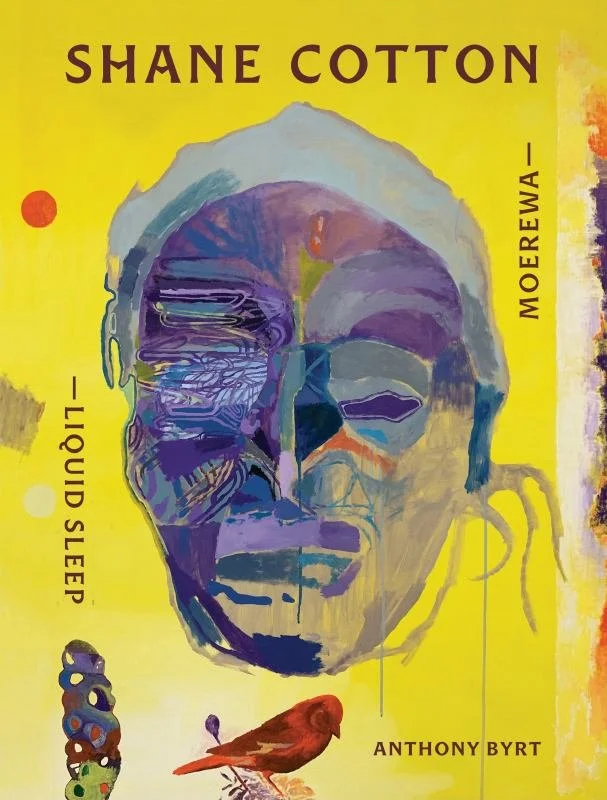
Shane Cotton: Moerewa; Liquid Sleep by Anthony Byrt $90
For over thirty years Shane Cotton (Ngāpuhi, Ngāti Rangi, Ngāti Hine, Te Uri Taniwha) has developed a rigorous and evolving painting practice, using the medium to layer the visual languages through which Aotearoa can be seen and understood. In this book leading art writer Anthony Byrt takes us on a voyage into Te Tai Tokerau to unravel the relationships, landscapes and histories that are the wellspring of Cotton's art — the world of Kororāreka and Hongi Hika, of mission stations, revolutionary religious ideas and Te Tiriti. By travelling deep into Cotton's visual universe, Byrt helps us make sense of the paintings and the world-changing collisions that occurred in the nineteenth-century North — collisions that still shape Aotearoa today. Working through the remarkable range of Shane Cotton's work, this is a vital, expansive and necessary account of one of the country's most important living artists. A beautiful, breathtaking, surprising book. [Hardback]
>>Look inside!
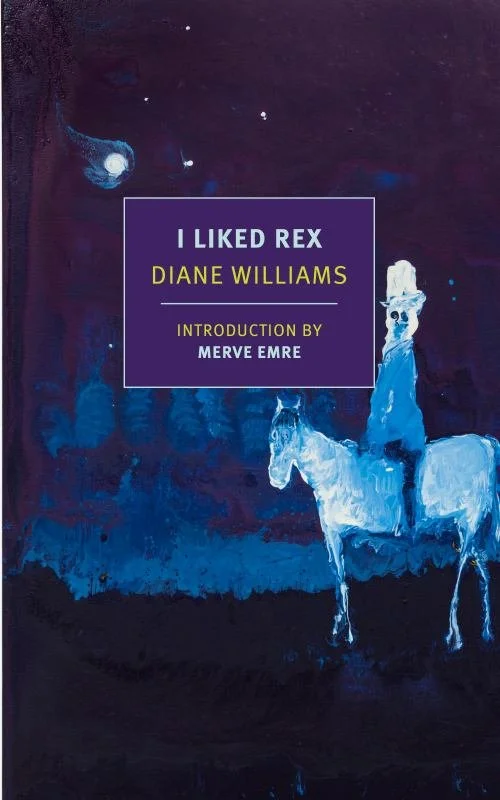
I Liked Rex by Diane Williams $45
Diane Williams is one of the great masters of the American short story: her tiny, coruscating tales are among the most tender, funny, peculiar, and searching works in all of contemporary literature. I Liked Rex is Williams's newest collection, which explores sex, love, marriage, and all that comes after; it is a book about living, but more importantly, about how to be alive. In these stories, a woman sees her soon-to-be ex-husband on the street, walking patiently at the end of a line of geese; a mother implores a total stranger to watch over her small child at the beach; a guest arrives at an orgy uninvited, and takes a nap beneath a dusty carpet; a woman reflects on her life with a man who used to belong to another, but is hers now — though can anyone really possess anyone else, truly? Williams's genius lies as much in what is left unspoken as in what is laid out on the page; behind images of startling beauty and strangeness, entire chamber dramas of the heart unfold, and the pleasure of these sphinx-like tales comes from their unremitting mystery, which is the same mystery fundamental to life and to love. Introduction by Merve Emre. [Paperback]
"Is this America's smartest-strangest-short-story writer?" —Leo Robson, The Telegraph
"Not a single moment of the prose, here, is what you expect, and even the ordinary is, in the context created by Diane Williams, no longer ordinary: it is fresh, happy and peculiar — or is it we who are refreshed, happy and more peculiar than before after reading her?" —Lydia Davis
"Williams's stories court laughter first, then, and only in retrospect, long-accumulated tears: tears of regret for opportunities lost, for people mislaid; tears of despair for the strangeness, the separateness that intimacy reveals and fails to overcome. Williams can do more with two sentences than most writers can do with two hundred pages." —Merve Emre, The New York Review of Books
"I'm convinced that Williams — as a writer and as an editor — has access to some hidden, ancient source of energy and inspiration. She gives attentive readers the sense that anything in life can be written about in a dynamic, heroic way. The horizon expands with limitless possibility — the most sublime gift." —Kathryn Scanlan, Southwest Review
>>Let us fall for whatever we want to.
>>Thomas on Williams’s stories.
Fancy Work: Unpicking past lives by Alice Hattrick $38
Blending biography, memoir and art criticism, Fancy Work explores the ever-shifting tensions between family, labour and gender through the history of embroidery, or 'fancy work'. At the heart of the book is Alice Hattrick's encounter with the embroidery designer May Morris and her circle: from her father William Morris to her mother Jane, an artists' model and embroiderer herself, and M.F., May's gender non-conforming partner for twenty years. Searching for guidance, Hattrick looks to May's life — alongside others who have found, in textiles, a means of resistance — to understand better their own queer identity, family ties and fractious working conditions in an ableist society. In the ephemeral nature of textiles, Hattrick finds a mirror to archival research. How can the past help us to imagine alternative domestic circumstances and create unconstrained lives of our own, especially when not all traces remain? Expansive in thought, form and time, Fancy Work is a radical and thrilling work that reminds us that we can think differently, inviting us to place the needle in our own hands and stitch our a loop in the chain. [Paperback with French flaps]
'This illuminating, expansive and intricately connected book on embroidery made me giddy with the ideas and knowledge it reveals. In detailing so diligently the histories, practices and techniques of needlework, insights into craft as a whole open up. Fancy Work shows how fluency in non-linguistic forms enriches language, sharpens political thought and articulates some of the most radical ways of living.' —Holly Pester
'There are so many layers to this book; every page left my mind brimming with detail, colour and affection. Fancy Work somehow contains multitudes while remaining clear, intimate and curiously joyful. I knew at once it was a book I would treasure and return to.' —Sara Baume
>>Embroidery as a form of resistance.
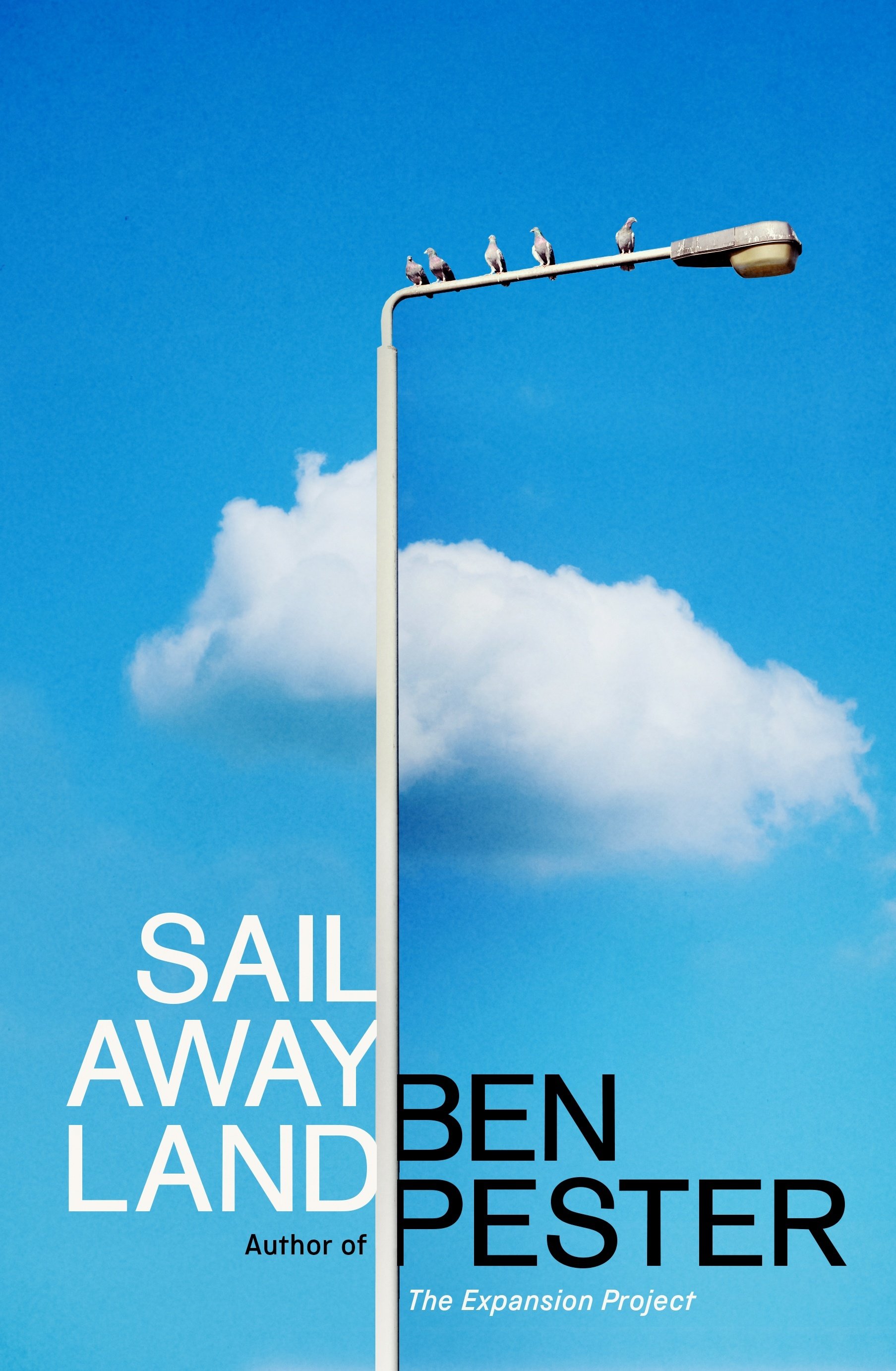
Sail Away Land by Ben Pester $38
Sail Away Land is the space where we might go when we're no longer alive (sometimes only temporarily). In this uncommon and disarming collection of stories, the characters go 'there' with or without knowing it. Maybe they have been living there all along without noticing — just like they hadn't really noticed that everyone is carrying a shiny black suitcase. These stories are about normal things — losing the people we're closest to, forgiving them, finding love and managing to hold onto it — but also about going to parties through a door in the back of a colleague's head, housebreaking in search of a sister's ghost, and asking the strangers in the kitchen to resurrect you at midnight. Like brilliant and strange anxiety dreams in prose, the stories in Sail Away Land are full of temporal weirdness, life and non-being, psychological acuity, imagination and wit, all while being effortlessly, seductively readable and undeniably moving. [Paperback with French flaps]
”I hugely enjoyed Sail Away Land. Bizarre and disquieting. Very few, if any contemporary writers, capture the drudgery of life in capitalist society, the scourge of deferred gratification, in quite the way that Ben Pester does, the feeling of being constantly trapped inside an anxiety dream.” —Sara Baume
”Ben Pester is rightly celebrated for his combination of hard-won surrealism and the anxious poetry of 21st century working life. But it's a dream-logic that clarifies the thorniest corners of our hearts; and a perfectly pitched prose style that also evokes our maddest, most familiar thoughts and speech patterns. Sail Away Land is a triumph of near-peerless emotional accuracy. He's so much more fun than most writers and also twice as serious.” —Luke Kennard
>>Left behind.
>>The paperback edition of The Expansion Project has just arrived.
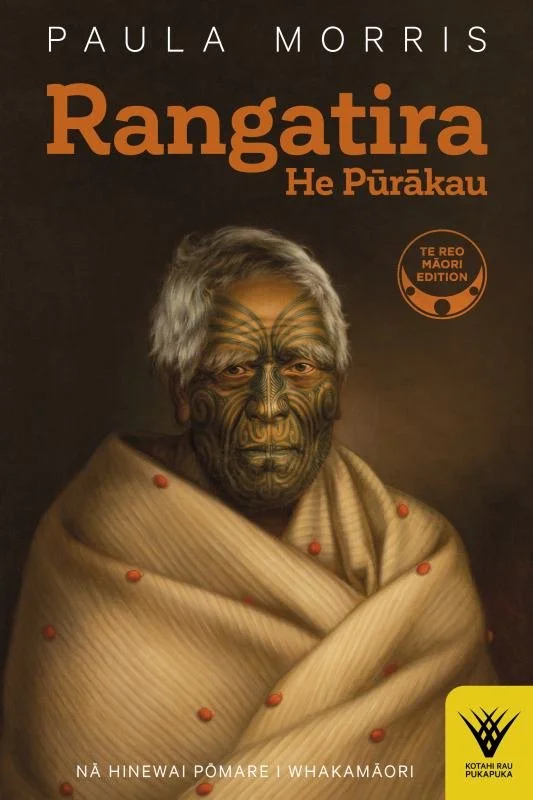
Rangatira: He pūrākau nā Paula Morris (nā Hinewai Pōmare i whakamāori) $38
Winner of the New Zealand Post Book Award for Fiction in 2012, Paula Morris's Rangatira is a remarkable New Zealand novel, here translated into te reo Māori for the first time by Hinewai Pōmare. Gottfried Lindauer, the Bohemian painter, is about to sail to England. He's just begun work on a painting of the Ngāti Wai rangatira Paratene Te Manu when into his studio walks Paratene himself. Hearing of Lindauer's planned trip to England reminds Paratene of his own journey there in 1863 with a party of Northern rangatira. Over the next three days, as he sits for Lindauer, Paratene retreats deeper and deeper into the past, from the triumphant meetings with royalty and aristocracy to the disintegration of the trip into estrangement, poverty, and mistrust. [Paperback]
>>The English-language edition.
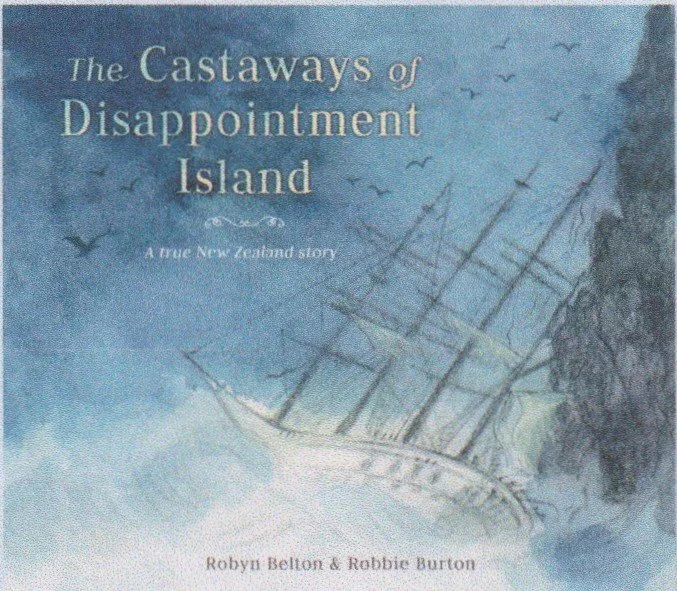
The Castaways of Disappointment Island by Robyn Belton and Robbie Burton $25
Charlie Eyre was a sailor aboard the Dundonald, which was wrecked on Disappointment Island in 1907, deep in the Southern Ocean. This book tells the true story of how he and 13 of his shipmates endured starvation, brutal storms and perilous ocean crossings before they were finally rescued. Theirs is one of New Zealand’s greatest survival stories, an unforgettable tale of courage, hardship and determination. The book features illustrations by beloved Aotearoa illustrator Robyn Belton. [Hardback]
>>Look inside!
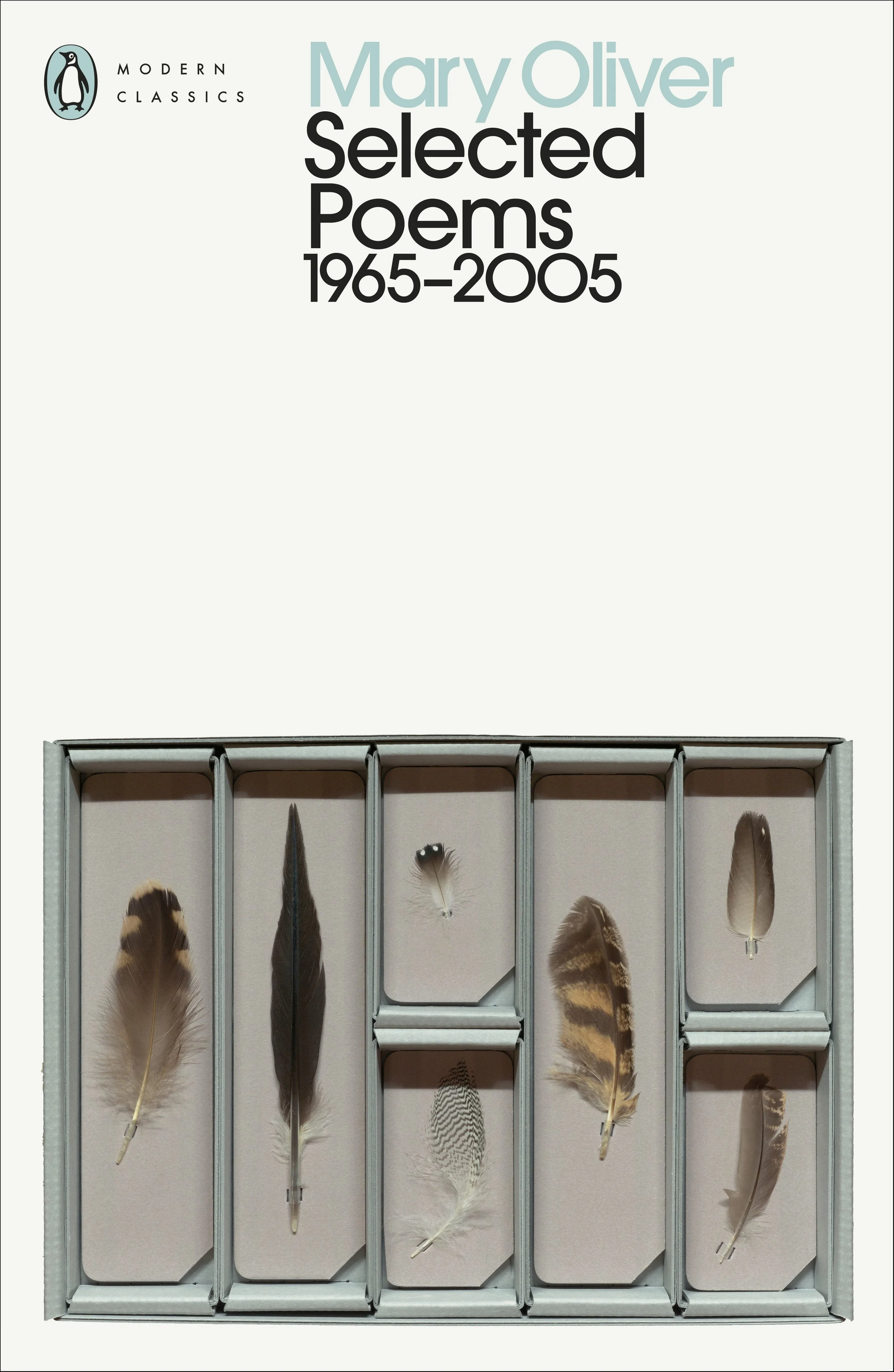
Selected Poems, 1965—2005 by Mary Oliver $35
Few modern poets are as beloved or as quoted as Mary Oliver. Spanning the major decades of her long career, this extensive collection (450pp) showcases Oliver's lyrical powers and her reverential attention to the natural world. Her poetry sees life everywhere and asks what to do with it — how can we find our place among such beauty, such pain? Populated by wading birds, early snowfalls and swaying cornfields, her reflections are the record of a life spent walking alone in the wild. These poems meet and touch their reader in any season of life, brightened by Oliver's gift for amazement, shadowed by her constant awareness of harshness and death. Her words teach us to live with our eyes open wider. [Paperback]
Introducing the English text of the Treaty of Waitangi by Ned Fletcher $40
A clear and accessible account of the research behind Ned Fletcher's award-winning study of the Treaty's English text. Drawing on the same careful archival work as the larger book, this short edition guides readers through the origins, intentions and meaning of the English text, and the wider imperial context in which it was drafted. Fletcher's research argues that the English and Maori texts of the Treaty reconcile — that those who framed the Treaty intended Maori to retain authority over their own affairs (rangatiratanga) and ownership of their lands. This original understanding, however, was later eroded as imperial policy shifted and hostility toward Indigenous rights intensified. By tracing how and why that change occurred, the book offers readers a compelling account of what the Treaty was understood to mean at the time it was signed. Written with narrative clarity and scrupulous scholarship, Introducing the English Text of the Treaty of Waitangi equips readers with a firm foundation for understanding one of Aotearoa New Zealand's most important constitutional documents — in both its nineteenth-century context and its continuing significance today. [Paperback]
>>Get the longer, fuller work.
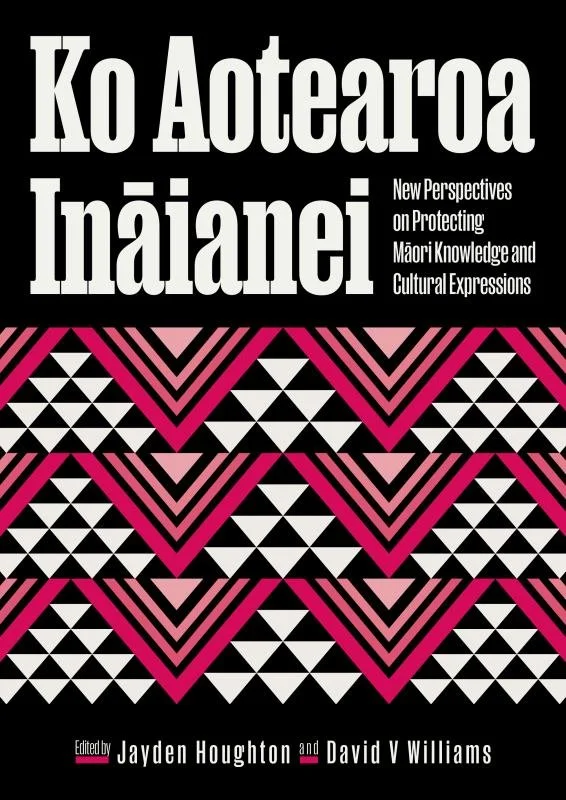
Ko Aotearoa Ināianei: New perspectives on protecting Māori knowledge and cultural expressions edited by Jayden Houghton and David V. Williams $60
From mānuka honey to haka, and across patents, trade marks, copyright and geographical indications, the protection of traditional knowledge, cultural expressions and genetic resources is one of the most complex legal and political challenges of our time. On the fifteenth anniversary of Ko Aotearoa Tēnei, the Waitangi Tribunal's landmark report on the Wai 262 claim, sixteen leading legal scholars offer new perspectives on how authority over and guardianship of traditional knowledge, cultural expressions and genetic resources might be recognised and protected in contemporary legal systems. Ko Aotearoa Ināianei takes up the wero laid down by the original Wai 262 claimants and extends their kaupapa into the present. The chapters confront pressing and unresolved questions. How should offensive or derogatory uses of taonga be remedied? Could legal personhood be applied to intangible Māori taonga such as waiata, and what would that recognition require? What might knowledge governance grounded in tikanga Māori involve, and how might it challenge or reshape Western intellectual property frameworks? Through wide-ranging essays engaging with law, policy, theory, science and culture, the authors advance aspirational visions of cultural ownership, control, inheritance and identity, grounded in the shared whakapapa of people, land and knowledge. Ko Aotearoa Ināianei contributes to global debates on Indigenous authority and knowledge protection. [Paperback]
>>List of contents.