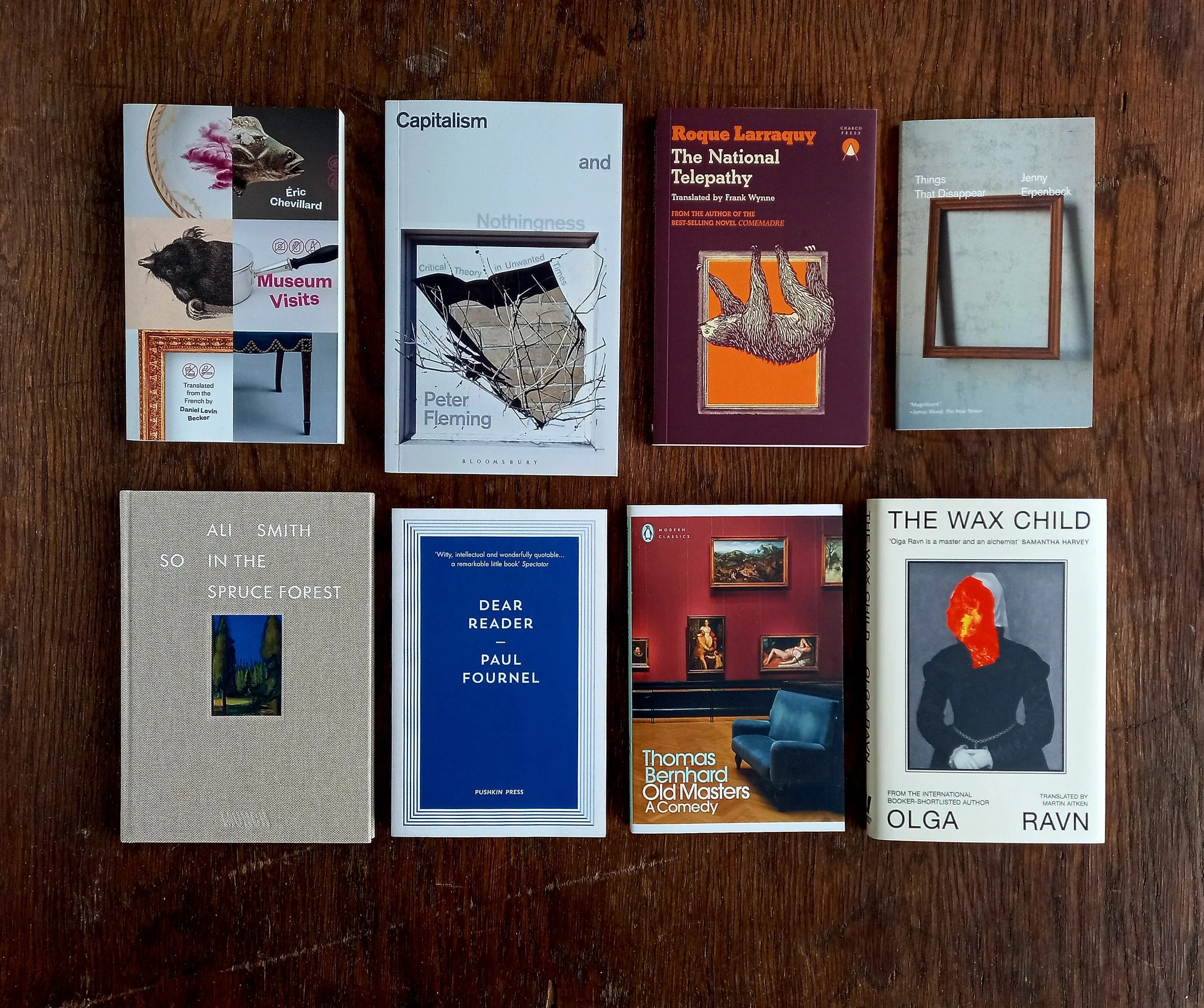
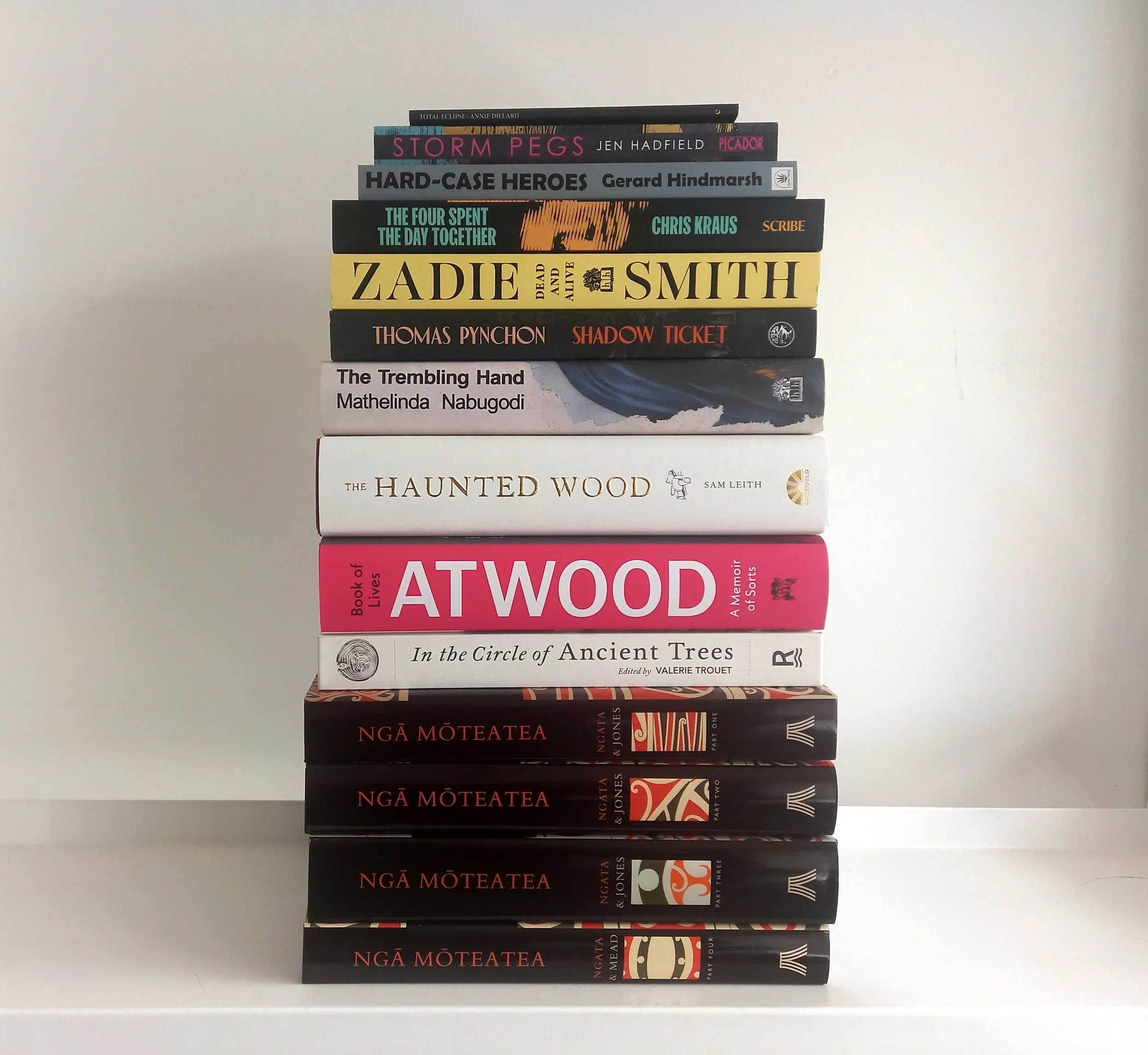
NEW RELEASES (26.11.25)

All your choices are good! Click through to our website (or just email us) to secure your copies. We will dispatch your books by overnight courier or have them ready to collect from our door in Church Street, Whakatū.
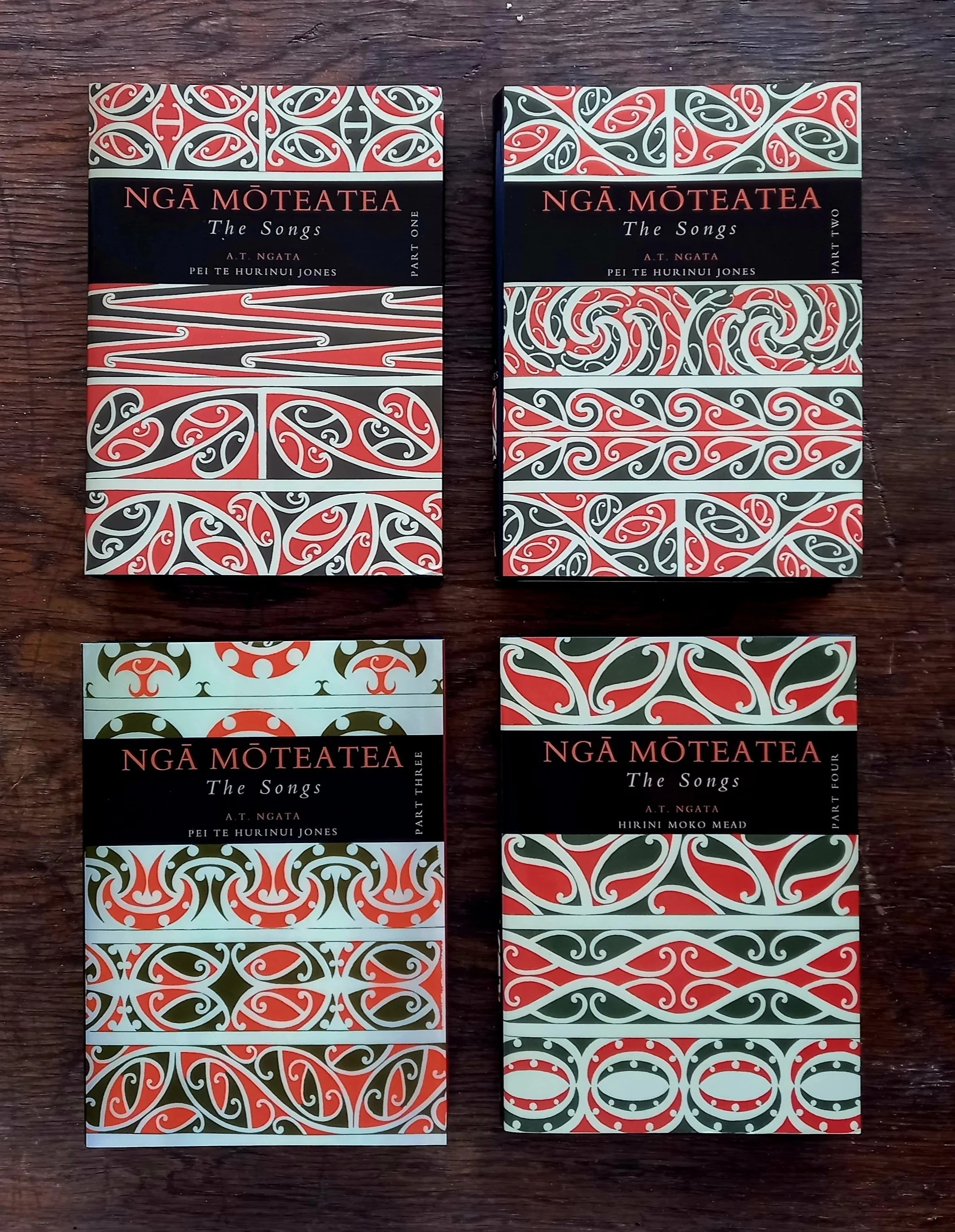
Ngā Mōteatea : The Songs (Volumes 1—4) edited and translated by Apirana Ngata, Pei Te Hurinui Jones, and Hirini Moko Mead $270
This is a new edition of the classic work Ngā Mōteatea, the annotated collection of waiata made over 40 years ago by the distinguished Māori leader and scholar Apirana Ngata. This completely redesigned and reset edition, published in association with the Polynesian Society, preserves the integrity of Ngata's text and Jones's translations and their commentary but adds further notes from contemporary Māori scholars and modernises the typography by the inclusion of macrons. It also includes two CDs of waiata drawn from the archive of Māori and Pacific Music at the University of Auckland. An essential text for anyone interested in te ao Māori. It is good to have this important work back in print. [Four hardback volumes. Also available separately at $75 each.]
GET THE SET — OR INDIVIDUAL VOLUMES
 

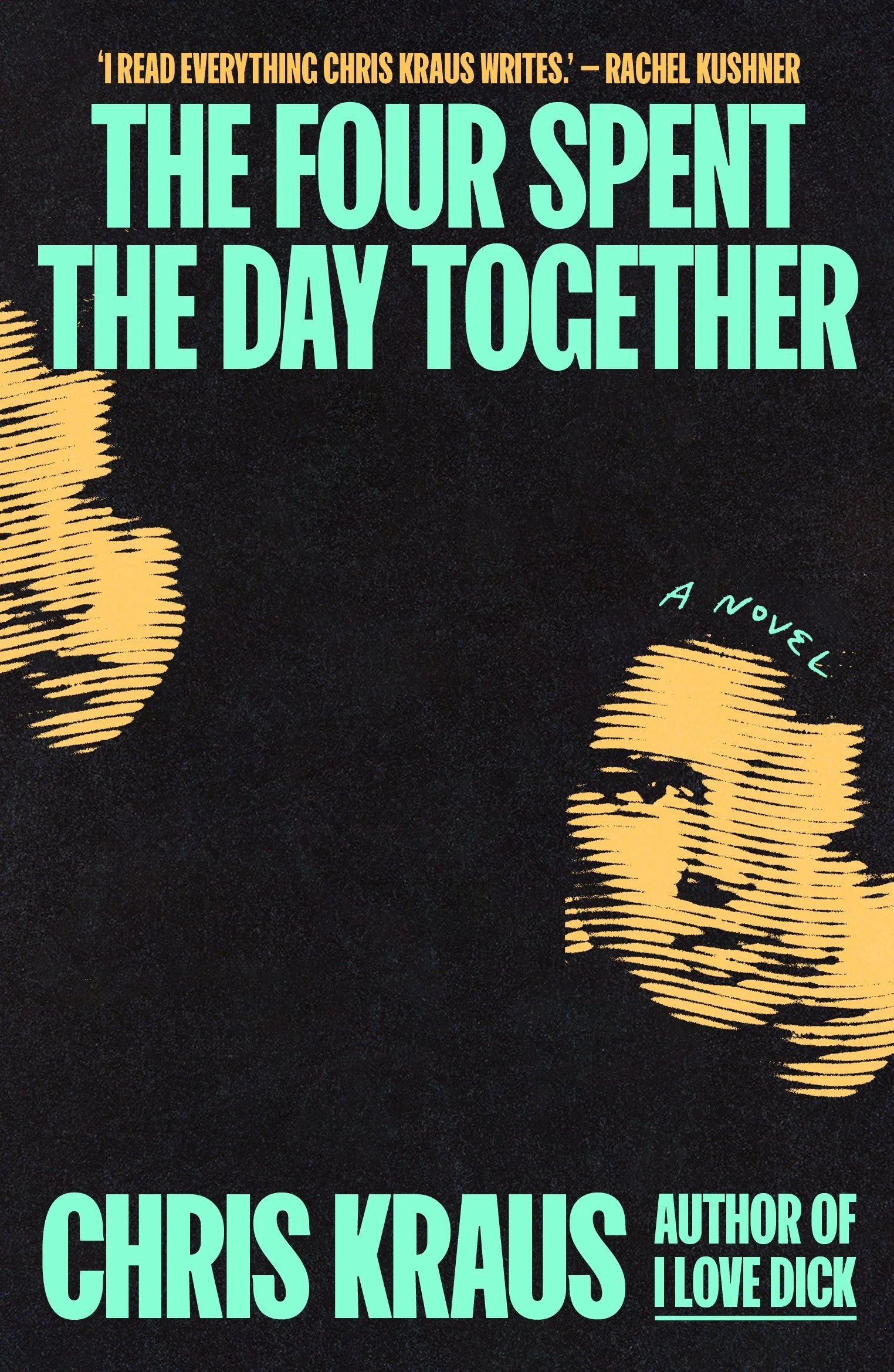
The Four Spent the Day Together by Chris Kraus $40
On the Iron Range of northern Minnesota, at the end of the last decade, three teenagers shot and killed an older acquaintance after spending the day with him. In a cold, rundown town, the three young people were quickly arrested and imprisoned.  No one knows why they did it. At the time of the murder, Catt Greene and her husband, Paul Garcia, are living nearby in a house they'd bought years earlier as a summer escape from Los Angeles. Undergoing a period of personal turmoil, moving between LA and Minnesota — between the urban art world and the rural poverty of the icy Iron Range — Catt turns away from her own life and towards the murder case, which soon becomes an obsession. In her attempt to pierce through the mystery surrounding the murder and to understand the teenagers' lives, Catt also finds herself travelling back through the idiosyncratic, aspirational lives of her parents in the working-class Bronx and small-town, blue-collar Milford, Connecticut. Written in three linked parts, The Four Spent the Day Together explores the histories of three generations of American lives and the patterns that repeat over lifetimes, and is a piercing commentary on the pressures of lives lived on the edge. [Paperback]
”It's really, really good. Maybe the best thing she's written.” —Gary Indiana
The Four Spent the Day Together is the great American novel we need right now to understand what has happened to America. To understand how we got here. This is the book for our time, just as perhaps American Psycho was the book of the 80s and 90s. It shows how it happened, how everything is linked, how the American dream slowly drifted into the American nightmare — at its core, within the American middle class. This is Chris Kraus's masterpiece.  It is the proof, if needed, that she is more than a transgressive, avant-garde, iconic writer — she is just one of the greatest American writers, one who is able to tell us what's wrong with the world and transform our stupor into thinking.” —Constance Debre
"The intelligence and honesty and total originality of Chris Kraus make her work not just great but indispensable. I read everything Chris Kraus writes; she softens despair with her brightness, and with incredible humor, too." —Rachel Kushner
>>Writing about all of it.
GET YOUR COPY
 

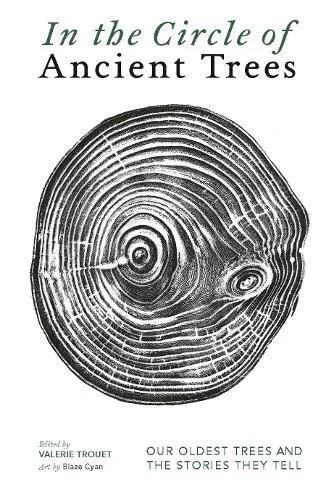
In the Circle of Ancient Trees: Our oldest trees and the stories they tell edited by Valerie Trouet, illustrated by Blaze Cyan $70
In the growth rings of every tree are ingrained and encrypted the stories of the tree, its environment and the changes through which it has lived. Growing archives of tree-ring samples allow us to read and decode these natural timelines in ever greater detail. In the Circle of Ancient Trees narrates the stories of ten ancient trees, considering why they grew where they grew; how they reflect their habitat; and the events to which they bore witness. Valerie Trouet curates chapter essays by ecologists with specialist knowledge of each tree, exploring how human and environmental history share common roots, while drilling down into the ecology, persistence and resilience of each species. Illustrated with commissioned wood- engravings and tree-ring infographics that visualise each tree's chronology and geography, In the Circle of Ancient Trees uses circular narratives — beginning and ending with the tree's relationship to its location and environment — that consider what lessons for our future might be discovered in our planet's past. Includes a section on the Kauri, by Gretel Boswijk. [Hardback]
>>Look inside!
GET YOUR COPY
 

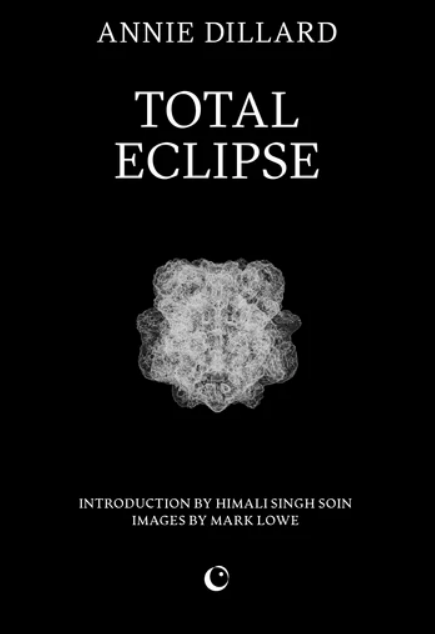
Total Eclipse by Annie Dillard $26
What can we know, and what remains beyond our reach? In 1979, Annie Dillard witnessed the solar eclipse in Yakima, Washington. In Total Eclipse, this celestial event becomes a metaphysical reckoning. With lyrical precision and eerie clarity, Dillard evokes the strangeness of the shifting sky and the psychic dislocation that descends with the shadow. The quiet yet epic unravelling of the familiar becomes revelation: a rupture in time, a confrontation with mortality and a brush with the sublime. Juxtaposing the cosmic and the mundane, Total Eclipse meditates on the limits of perception and language, entering the surreal intensity of the phenomenon to emerge with the brief, blazing clarity offered by darkness. [Paperback]
GET YOUR COPY
 

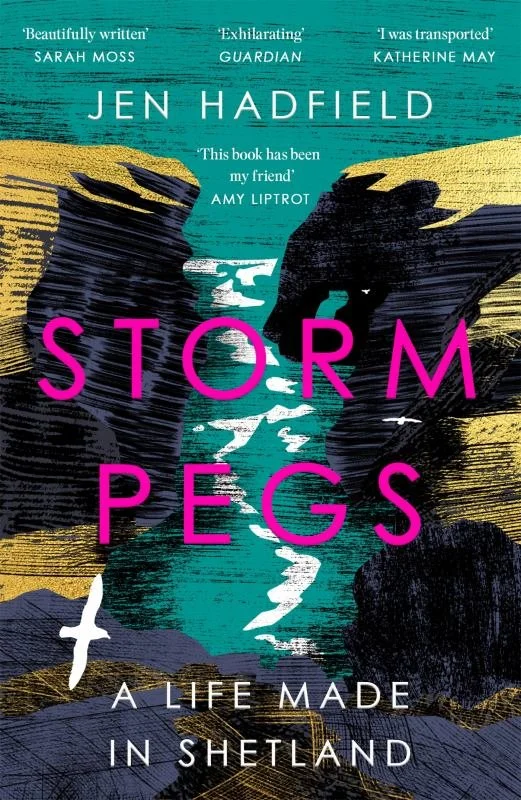
Storm Pegs: A life made in Shetland by Jen Hadfield $28
In her late twenties, celebrated poet Jen Hadfield moved to the Shetland archipelago to make her life anew. A scattering of islands at the northernmost point of the United Kingdom, frequently cut off from the mainland by storms, Shetland is a place of Vikings and myths, of ancient languages and old customs, of breathtaking landscapes and violent weather. It has long fascinated travellers seeking the edge of the world. On these islands known for their isolation and drama, Hadfield found something more: a place teeming with life, where rare seabirds blow in on Atlantic gales, seals and dolphins visit its beaches, and wild folk festivals carry the residents through long, dark winters. She found a close-knit community, too, of neighbours always willing to lend a boat or build a creel, of women wild-swimming together in the star-spangled winter seas. Over seventeen years, as bright summer nights gave way to storm-lashed winters, she learned new ways to live. In prose as rich and magical as Shetland itself, Storm Pegs transports us to the islands as a local; introducing us to the remote and beautiful archipelago where Hadfield has made her home, and shows us new ways of living at the edge. [Paperback]
Storm Pegs is rich, attentive and beautifully written. Hadfield writes vividly about the tides, the Shaetlan language, and shows a great appreciation for the people and modern life of Shetland. This book has been my friend. I really loved it and I recommend it.” —Amy Liptrot
Storm Pegs is a deeply thoughtful and beautifully written account of a life centred on making art in a lively island community. Hadfield writes with rare nuance about choosing and building a new life in a place that calls to many of us.” —Sarah Moss
”Delightful: at once intricate and effortless, playful and deeply felt. A heartfelt paean to a coldwater Eden.” —Cal Flyn
”What a wonderful book. Jen Hadfield just has to turn her languaged gaze to the world and it fizzes to life on the page. One of the most intensely realised accounts of a place — and time in a place — I have read.” —Philip Marsden
”A gorgeous portrait of a fascinating, ever-changing place, as well as very many other things: friendship, community, creation and self-creation, the cycle of the seasons and the toil and triumph of the elements. I adored it.” —Sara Baume
GET YOUR COPY
 

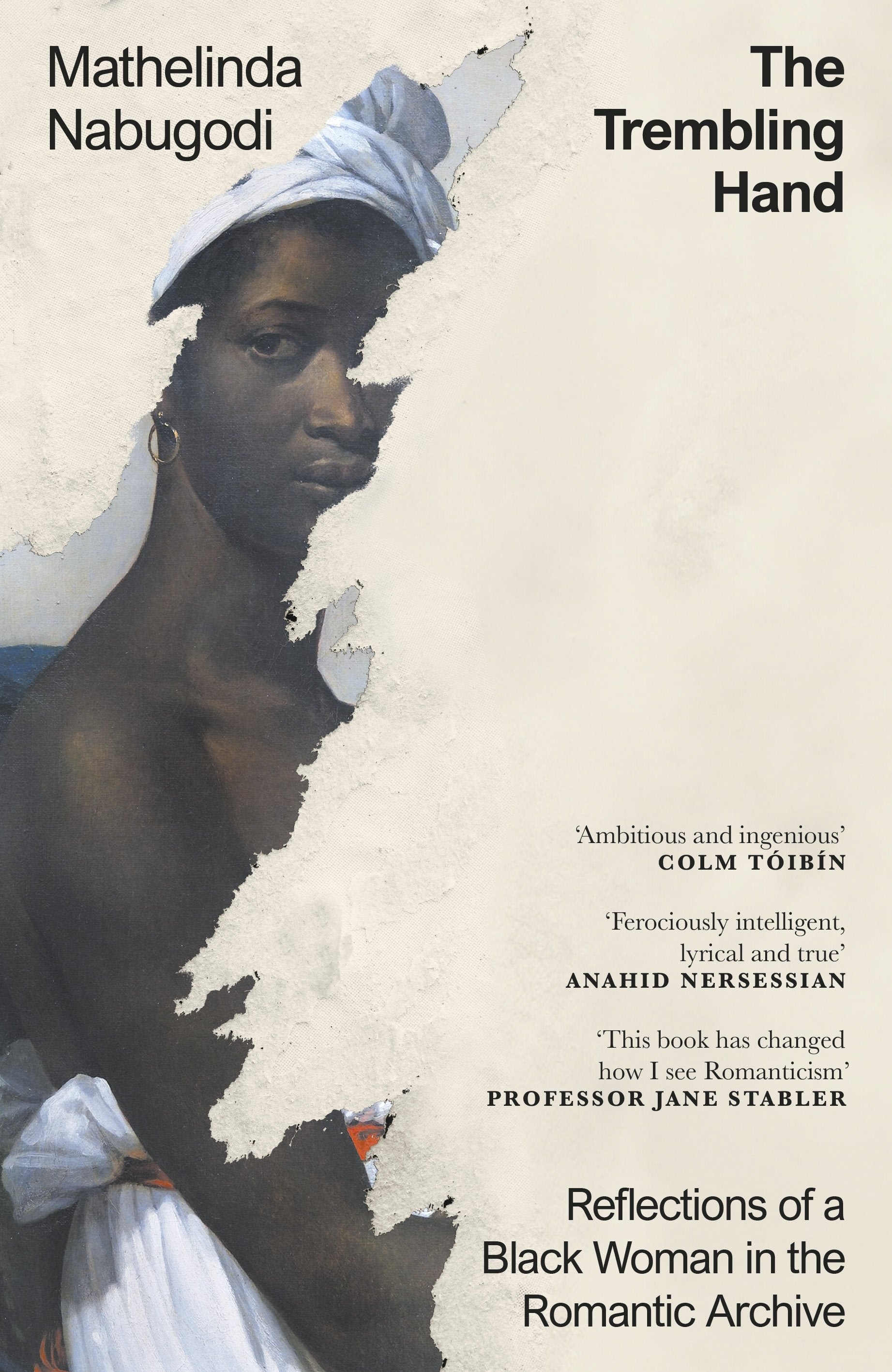
The Trembling Hand: Reflections of a Black woman in the Romantic archive by Mathelinda Nabugodi $50
A scrap of Coleridge's handwriting. The sugar that Wordsworth stirred into his teacup. A bracelet made of Mary Shelley's hair. Percy Shelley's gilded baby rattle. The death mask preserving Keats's calm face. Byron's silk-lined leather boot. Who would have known there could be vast worlds contained in these items? In a completely new interpretation of the Romantics and their context, Nabugodi uses these items to frame her interrogation of the poets, leading us on an expansive journey through time and memory, situating us in depth of their world, and her own. "Freedom, liberty, autonomy are the period's favorite words," Nabugodi writes. Romantic poets sought truth in the depth of their souls and in the mind's unbounded regions. Ideals of free speech and human rights were being forged. And yet the period was defined by a relentless commitment to the displacement and stolen labour of millions. Romanticism, she argues, can no longer be discussed without the racial violence with which it was complicit. Still, rather than using this idea to rehash Black pain and subjugation, she mines the archives for instances of resistance, beauty, and joy. Nabugodi moves effortlessly between the past and present. She takes us into the physical archives, and unpacks her relationships with them: what they are and should be; who built them; how they are entwined with an industry that was the antithesis of freedom; and how she feels holding the materials needed to write this book, as a someone whose ancestry is largely absent from their ledgers. The Trembling Hand presents a new way of reading the past. This transfixing, evocative book reframes not only the lives of the legendary Romantics, but also their poetry and the very era in which they lived. It is a reckoning with art, archives, and academia. [Hardback]
”Ambitious and ingenious, Mathelinda Nabugodi engages the reader both emotionally and intellectually in the quest to re-see, re-imagine and re-read the past. A voice sometimes tentative and searching, then sure of its scholarship, then puzzled by some large absence in the archive, then engrossed by a poem, an essay, a letter.” —Colm Toibin
”Mathelinda Nabugodi reveals the racial wounds behind the pristine face of British Romanticism. Her journey — part scholarly excavation, part personal pilgrimage — takes readers through abandoned archives and hallowed homes, where she confronts not just history but her own complex relationship with poets whose words shaped her life even as their era sought to erase people who looked like her. Nabugodi shows us how to hold two truths at once: beautiful craft and painful context, literary genius and racial violence. Her reckoning is a love letter written in disquiet, a map for those seeking the unvarnished truth of our literary inheritance, and a gift for anyone who values personal storytelling that illuminates our shared past.” —Professor DJ Lee

GET YOUR COPY
 

The Book of Lives: A memoir of sorts by Margaret Atwood $75
”Every writer is at least two beings: the one who lives, and the one who writes. Though everything written must have passed through their minds, or mind, they are not the same.” Raised by ruggedly independent, scientifically minded parents — entomologist father, dietician mother — Atwood spent most of each year in the wild forest of northern Quebec. This childhood was unfettered and nomadic, sometimes isolated (on her eighth birthday: “It sounds forlorn. It was forlorn. It gets more forlorn.”), but also thrilling and beautiful. From this unconventional start, Atwood unfolds the story of her life, linking seminal moments to the books that have shaped our literary landscape, from the cruel year that spawned Cat's Eye to divided 1980s Berlin where she began The Handmaid's Tale. In pages bursting with bohemian gatherings, her magical life with the wildly charismatic writer Graeme Gibson and major political turning points, we meet poets, bears, Hollywood actors and larger-than-life characters straight from the pages of an Atwood novel. As we travel with her along the course of her life, more and more is revealed about her writing, the connections between real life and art — and the workings of one of our greatest imaginations. [Hardback]
GET YOUR COPY
 

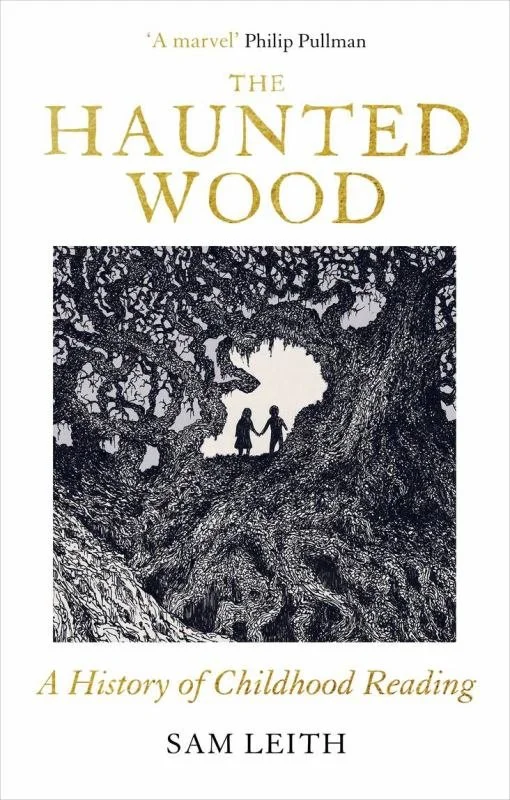
The Haunted Wood: A history of childhood reading by Sam Leith $55
Do you remember the first time you fell in love with a book? Maybe you tumbled down a rabbit hole, flew out of your bedroom window, or found the key to a secret garden. And in the silence of that moment, your whole life changed forever. The stories we read as children are indelible in our memories; reaching far beyond our childhoods, they are a window into our deepest hopes, joys and anxieties. They reveal our past — collective and individual, remembered and imagined — and invite us to dream up different futures. In a pioneering history of the children's literary canon, The Haunted Wood reveals the magic of childhood reading, from the ancient tales of Aesop, through the Victorian and Edwardian golden age to new classics. Excavating the complex lives of our most beloved writers, Sam Leith offers a humane portrait of a genre and celebrates the power of books to inspire and console entire generations. [Hardback]
”Sam Leith has been encyclopedic and forensic in this journey through children's books. It's a joy for anyone who cares or wonders why we have children's literature.” —Michael Rosen
”One of the best surveys of children's literature I've read. It takes a particular sort of sensibility to look at children's literature with all the informed knowledge of a lifetime's reading of 'proper' books, and neither patronise (terribly good for a children's book) nor solemnly over-praise. Sam Leith hits the right spot again and again. The Haunted Wood is a marvel, and I hope it becomes a standard text for anyone interested in literature of any sort.” —Philip Pullman

GET YOUR COPY
 

Dead or Alive by Zadie Smith $40
In this keenly awaited new collection, Zadie Smith takes a close look at artists Toyin Ojih Odutola, Kara Walker and Celia Paul. She invites us along to the movies, to see and to think about Tar, and to Glastonbury to witness the ascendance of Stormzy. She takes us on a walk down Kilburn High Road in her beloved North West London and invites us to mourn with her the passing of writers Joan Didion, Martin Amis, Hilary Mantel, Philip Roth and Toni Morrison. She considers changes of government on both sides of the Atlantic — and the meaning of 'the commons' in all our lives. [Paperback]
GET YOUR COPY
 

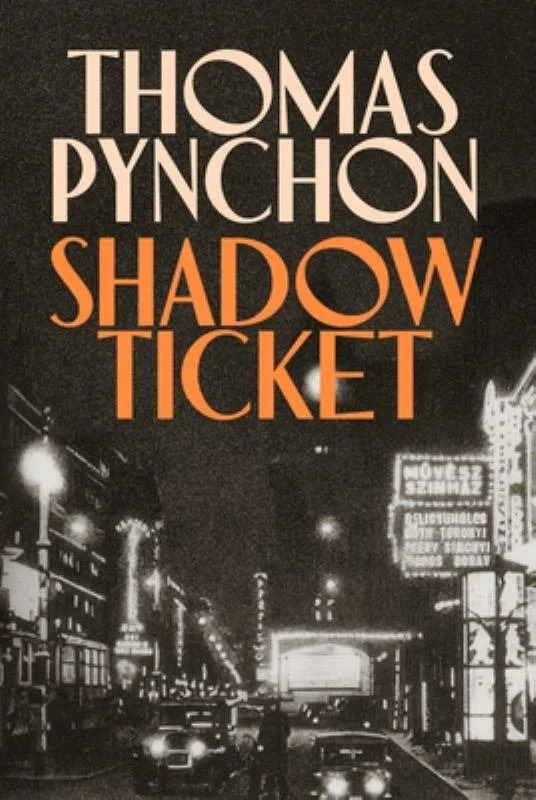
Shadow Ticket by Thomas Pynchon $38
Milwaukee 1932, the Great Depression going full blast, repeal of Prohibition just around the corner, Al Capone in the federal pen, the private investigation business shifting from labour-management relations to the more domestic kind. Hicks McTaggart, a one-time strikebreaker turned private eye, thinks he's found job security until he gets sent out on what should be a routine case, locating and bringing back the heiress of a Wisconsin cheese fortune who's taken a mind to go wandering. Before he knows it, he's been shanghaied onto a transoceanic liner, ending up eventually in Hungary where there's no shoreline, a language from some other planet, and enough pastry to see any cop well into retirement - and of course no sign of the runaway heiress he's supposed to be chasing. By the time Hicks catches up with her he will find himself also entangled with Nazis, Soviet agents, British counterspies, swing musicians, practitioners of the paranormal, outlaw motorcyclists, and the troubles that come with each of them, none of which Hicks is qualified, forget about being paid, to deal with. Surrounded by history he has no grasp on and can't see his way around in or out of, the only bright side for Hicks is it's the dawn of the Big Band Era and as it happens he's a pretty good dancer. Whether this will be enough to allow him somehow to lindy-hop his way back again to Milwaukee and the normal world, which may no longer exist, is another question. Much anticipated. [Paperback]
GET YOUR COPY
 

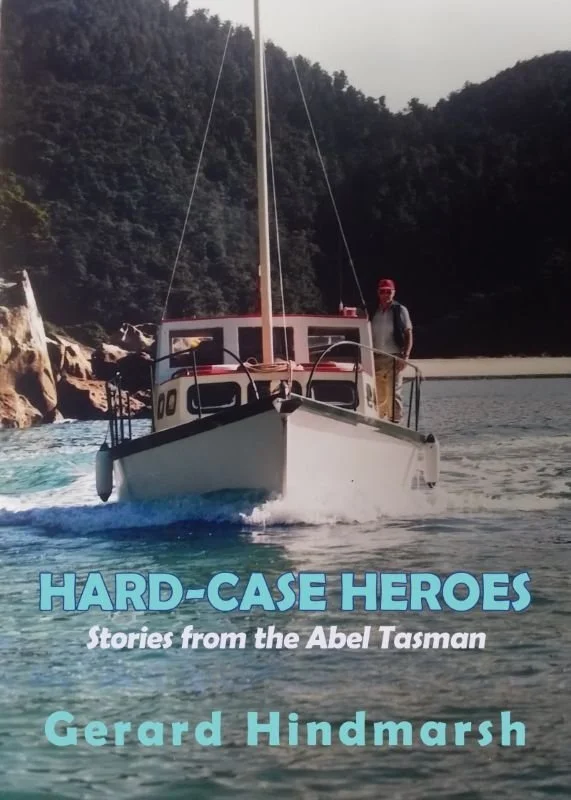
Hard-Case Heroes: Stories from the Abel Tasman by Gerard Hindmarsh $40
Building on the success of his Kahurangi backcountry trilogy, Gerard Hindmarsh’s new book, Hard-case Heroes, focuses on some of the quirky and largely untold characters associated with the Abel Tasman coast and its uplands: early settlers and park rangers; an island hermit and defiant squatters; graziers and a limestone miner. Hard-Case Heroes is a highly readable and engaging book about a remarkable corner of New Zealand, written by a local with a love of the area and a nose for a good story. These largely untold and gritty stories from our social history will interest anyone who has experienced the Abel Tasman National Park, New Zealand’s smallest and most visited national park, arguably our most beautiful too. [Paperback]
And back in print: Swamp Fever  |  Kahurangi Calling  |  Kahurangi Stories | Kahurangi Out West
And reprinting now: the popular d'Urville Island story, Angelina.
GET YOUR COPY
 
BROWSE OTHER NEW RELEASES
VOLUME BooksNew releases
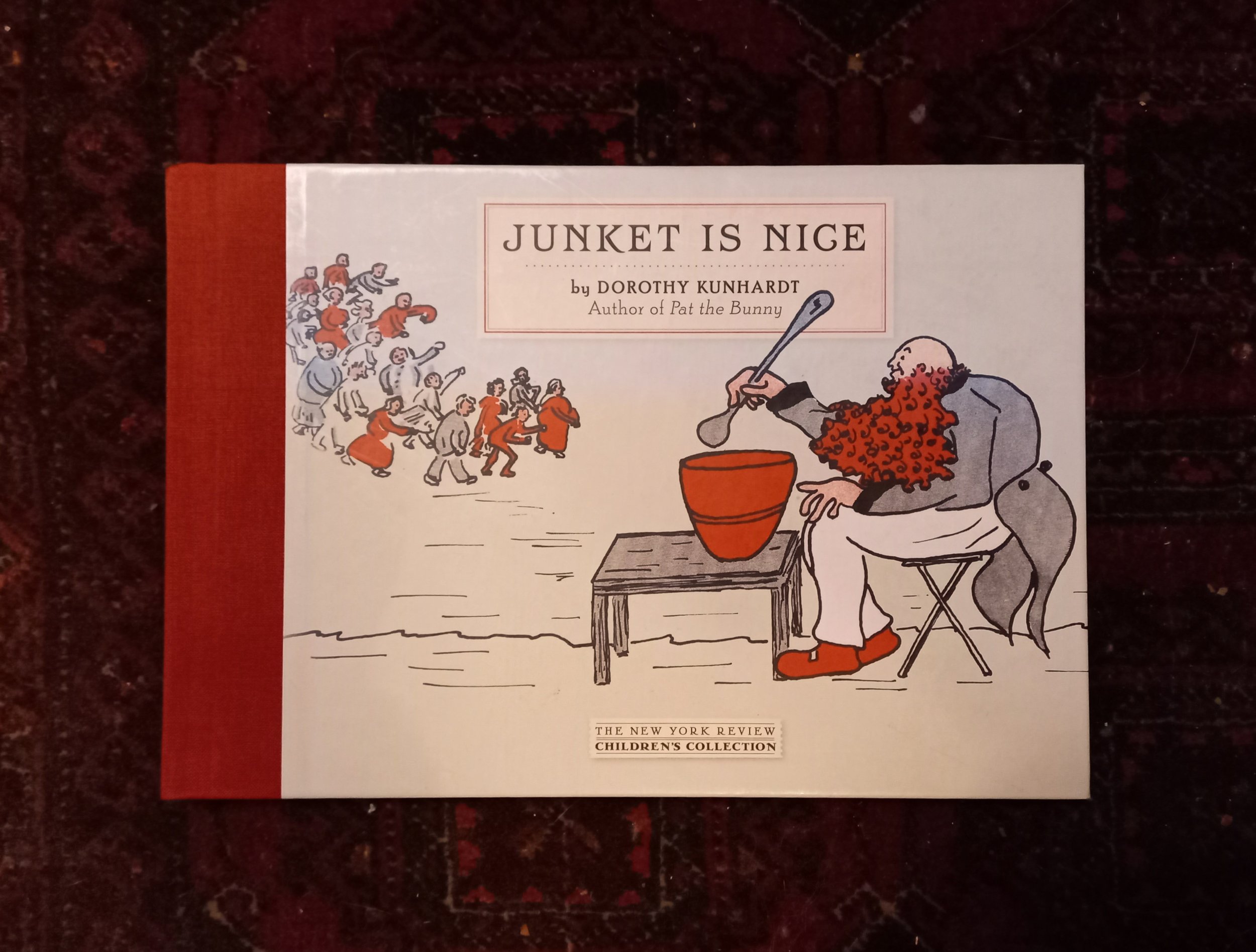
JUNKET IS NICE by Dorothy Kunhardt — reviewed by Thomas

Children are unable to disagree with the statement ‘Junket is nice’ because they have no idea what junket is, they have never come across junket and have never even heard of junket so, to them, on hearing the statement ‘Junket is nice’, junket is necessarily synonymous with nice. I have no wish to disabuse them, in fact I have no basis on which to disabuse them, as I am, really, no more familiar with junket than they are, although I am perhaps more familiar than they are with its reputation, as a food for invalids, primarily, made of milk curdled with rennet, basically, neither of which pieces of knowledge encourage me to think at all favourably of junket. Actually, I would like to disabuse these children, whoever they are. I have never eaten junket but I do not think that it is nice. The red-bearded old man in red slippers in Dorothy Kunhardt’s 1933 pro-junket propaganda picture book Junket Is Nice is eating junket from a large red bowl. I suppose junket could be a suitable food for old men with few teeth, even if they are not invalids, though I am myself not old enough and have still too many teeth to know this, not that I would eat junket anyway, even if I knew this to be so. If everyone in the whole world comes to watch a bearded old man eating junket because of the size of the bowl of junket that the bearded old man is eating from and because of the correspondingly large amount of junket that he is eating from this large bowl, it is hard to imagine the implausibly large amount of junket that would draw such a crowd and hard to imagine what kind of old man this could be, to impress the whole world with such mundane feats of unilateral consumption. Presumably not an invalid, though we learn nothing of the state of his teeth. As the old man can speak to everyone in the whole world at once, he must either have a very loud voice, access to social media barely imaginable in 1933, or some other way of speaking inside every person’s head. Somehow I suspect the latter. Such omnipotence does he have that he can offer every person in the world something nice if they can guess what he is thinking about. This may seem hard, prima facie, but he gives some clues to make it easier. He describes several ludicrous things that he claims not to be thinking about, though how he can describe them without thinking about them is not presented as problematic. I find this very problematic. This is not something that I can do. The people of the world then suggest many ludicrous things that the red-bearded old man might be thinking about, any of which should trap him into thinking about them, but he tells them they are WRONG! He must be lying, I tell myself. He must be lying, or his idea of thinking is somehow different from mine. If the red-bearded old man’s thinking is limited to such things that are in fact the case and not ludicrous things, the red-bearded old man is the God of the Actual, which, it seems to me, is a terrible limitation upon him, despite whatever capricious omnipotence comes with the position. Does not a mind long for more than that? The gods are never free, it seems: they can have no imagination. A little boy on a tricycle knows that the red-bearded old man has no inside to his mind and therefore must be actually thinking of junket. RIGHT! says the red-bearded old man, and suddenly the last spoonful of junket is gone. What is this junket if it lasts only as long as our uncertainty? The little boy’s reward for guessing what the old man was thinking is to be allowed to lick the bowl from which the old man has been eating. Although presented in the book as something nice, this is surely one of the most disgusting moments in children’s literature, Especially as the little boy seems to like it. Especially as this is junket, which I do not believe is nice, not just due to its association with invalids. This moment is so disgusting that I close the book, cease my pointless metaphysical speculations, and never read about how the little boy gives the red-bearded old man a lift home on his tricycle so that he won’t be late for his supper. 

GET YOUR COPY
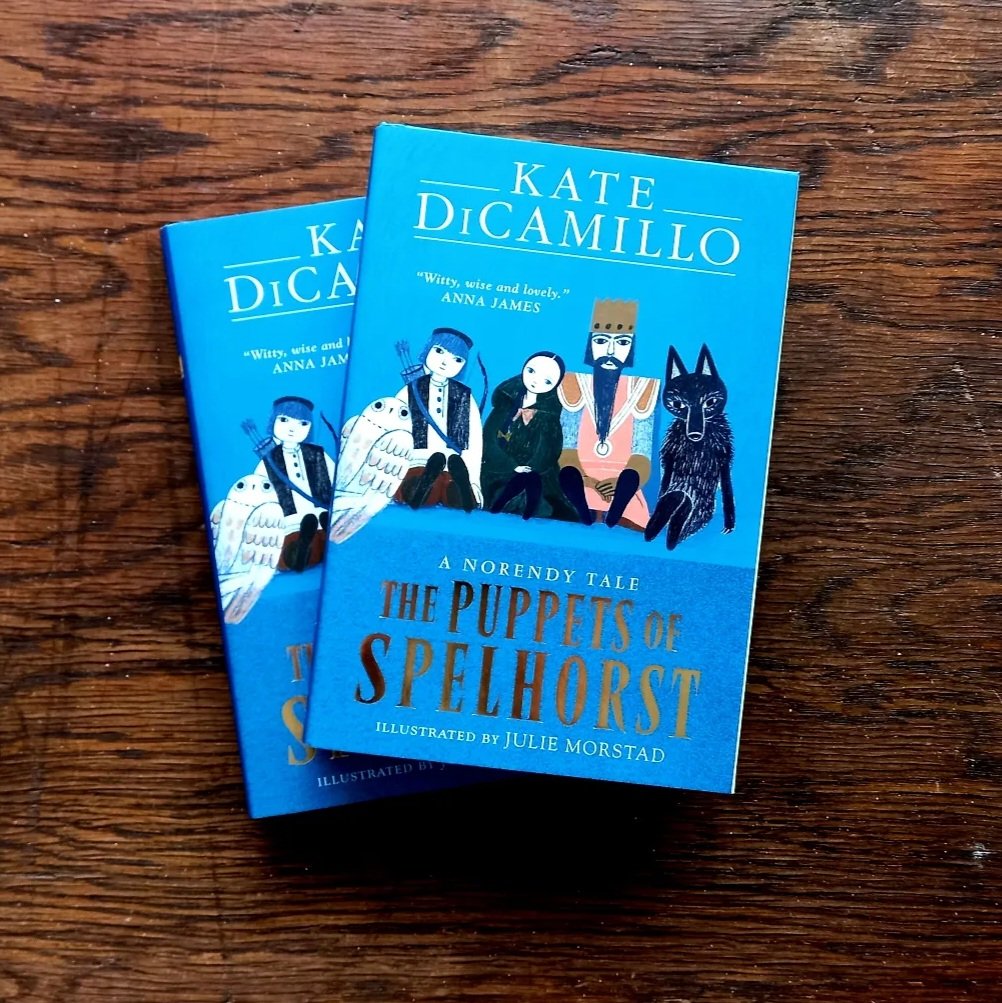
THE PUPPETS OF SPELHORST by Kate DiCamillo (illustrated by Julie Morstad) — reviewed by Stella

Forgotten in a trunk. Left in the dark. Unwanted. Once they had been on display, crafted with care. They belonged together and they had a story. Would they be together again, and would there be a new story? Kate DiCamillo works her magic with The Puppets of Spelhorst. With the texture of a folk tale, she reveals the story of a girl, a boy, a king, an owl, and a wolf. An old man sees a puppet in the window of a toy shop and the memory of a love is rekindled. He wants to take her home and look into her eyes so like those of his sweetheart long gone, but, bothersome: he has to have all the puppets. And so, it comes to be. In the night the girl sitting atop a dresser sees the moon and describes its beauty to her companions. The old man sleeps and does not awaken. And then an adventure begins. A journey that will take them through the hands of the rag-and-bone man, to an uncle with two inquisitive nieces, where a new story will be made — one which involves all of them; even though they will have their fierce teeth tampered with (the wolf), be mistaken for a feather duster (the owl), left abandoned outside and kidnapped by a giant bird (the boy), be snaffled into a pocket (the girl), and left alone with no one to rule (the king). Yet this is not the only story. Emma is writing, and Martha is making mischief. A story is ready to be told. An extra hand and a good singing voice are needed. In steps the maid, Jane Twiddum — someone who will have a profound impact on the fate of the five friends. The Puppets of Spelhorst is an absolute delight with its clever story. A spellbound tale. "Now it all happens," whispered the boy. "Now the story begins."

THE THREE NORENDY TALES
WHISK! — Fresh Cookbooks at VOLUME

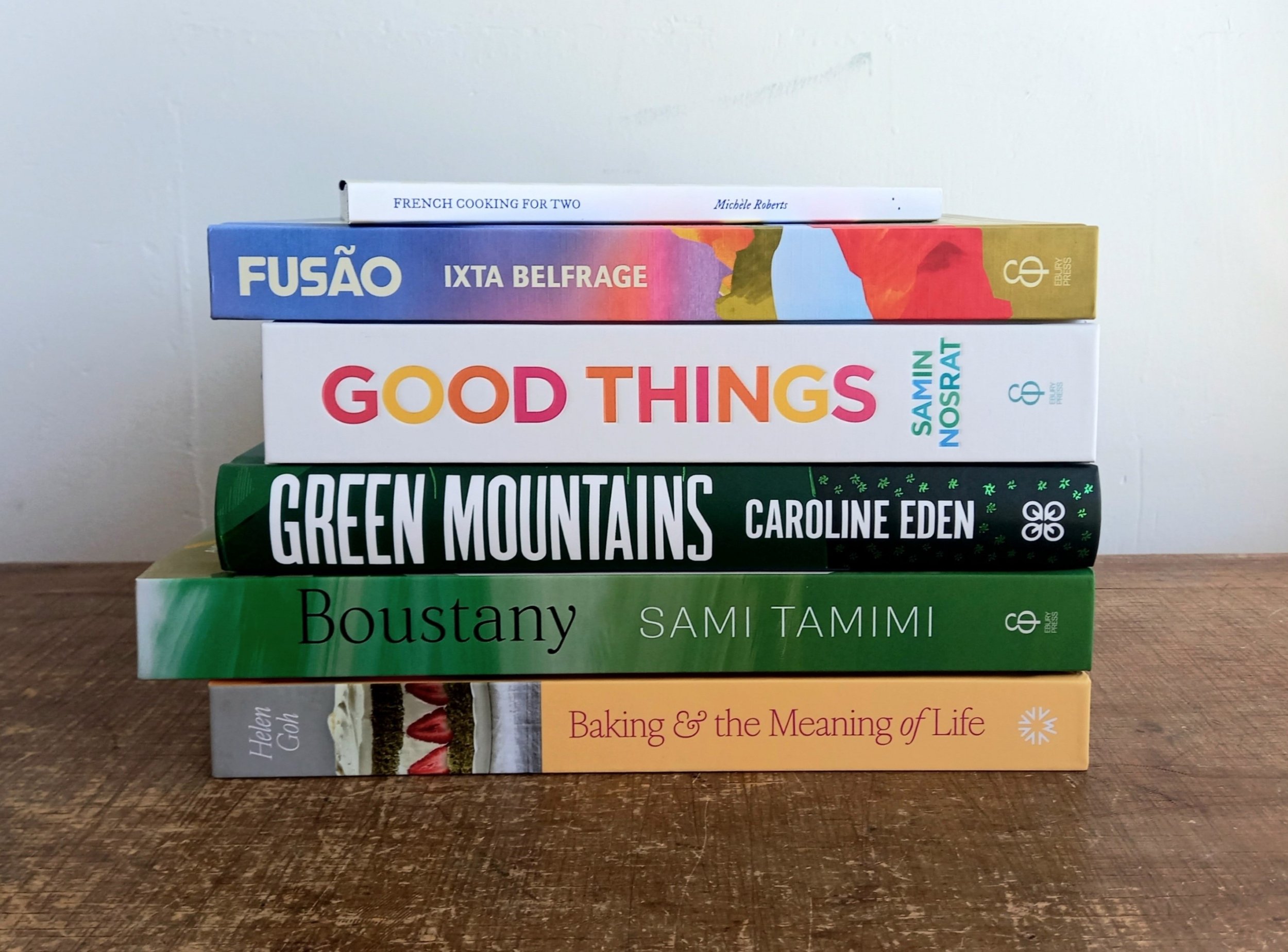
A fresh season calls for a fresh cookbook. With a plethora of tasty ingredients just around the corner, let a cookbook take you on a journey, expand your food knowledge and repertoire, open the door to a cultural experience, bring creativity into your kitchen, and supply you with the very best of recipes, both innovative and simple, for indulging in and sharing over the summer months ahead.

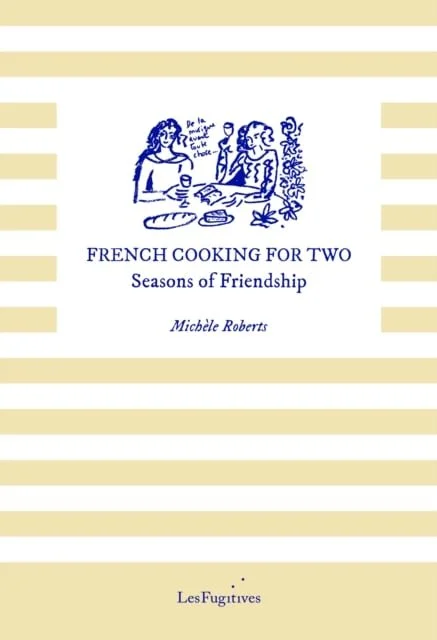
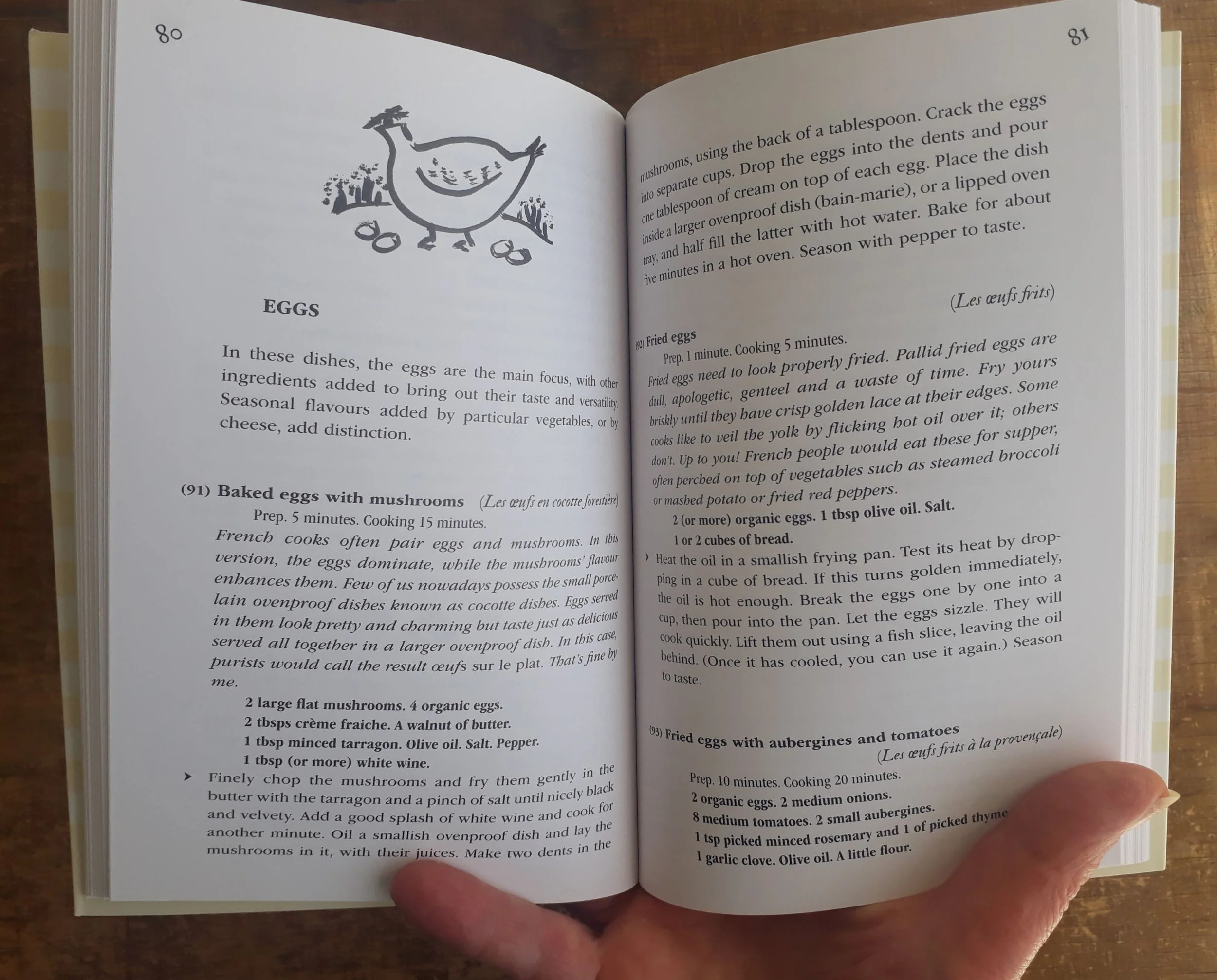
Michèle Roberts is cooking for two. A book for friendship, French Cooking for Two: Seaons of Friendship is as endearing and witty as her first French culinary adventure, French Cooking for One. Packed with over 170 recipes for every season, hints, and foodie stories, Roberts gives us her take on the French classics to bring us a wealth of simple recipes to share joyfully. Her sources are both historical, drawing from great cooks such as Mme Saint-Ange and her La bonne cuisine (1929); and personal — the kitchen notes of her Aunt Brigitte.
In her introduction she espouses the delight and sustenance friendships bring her. “Cooking for a dear friend is a major source of pleasure in my life; a practical, direct way of showing love. Talking tête-à-tête over good food adds a further layer of enjoyment to being in a friend’s company. The pleasures of easting and the pleasures of talking enrich and deepen each other.”
With her usual flair and quirky illustrations, Cooking for Two is literary and culinary joie de vivre.

FRENCH FOR TWO
 

Ixta Belfrgae is a rule breaker. Inspired by her Brazilian heritage, FUSÃO is a fusion cookbook taking the best flavours of Brazil, itself a fusion cuisine with influences from Portugal, West Africa and Indigenous communities, and blending this with Belfrage’s inventive cooking style. Playful, fresh, and jubilant, these recipes intrigue and satisfy. Traditional recipes have twists, there are flavour bombs to excite the taste buds, and much to discovery in Belfrage’s journey through food to her cultural heritage. Delicious! And perfect for summer snacking, and entertaining.

INSPIRED FUSÃO
 

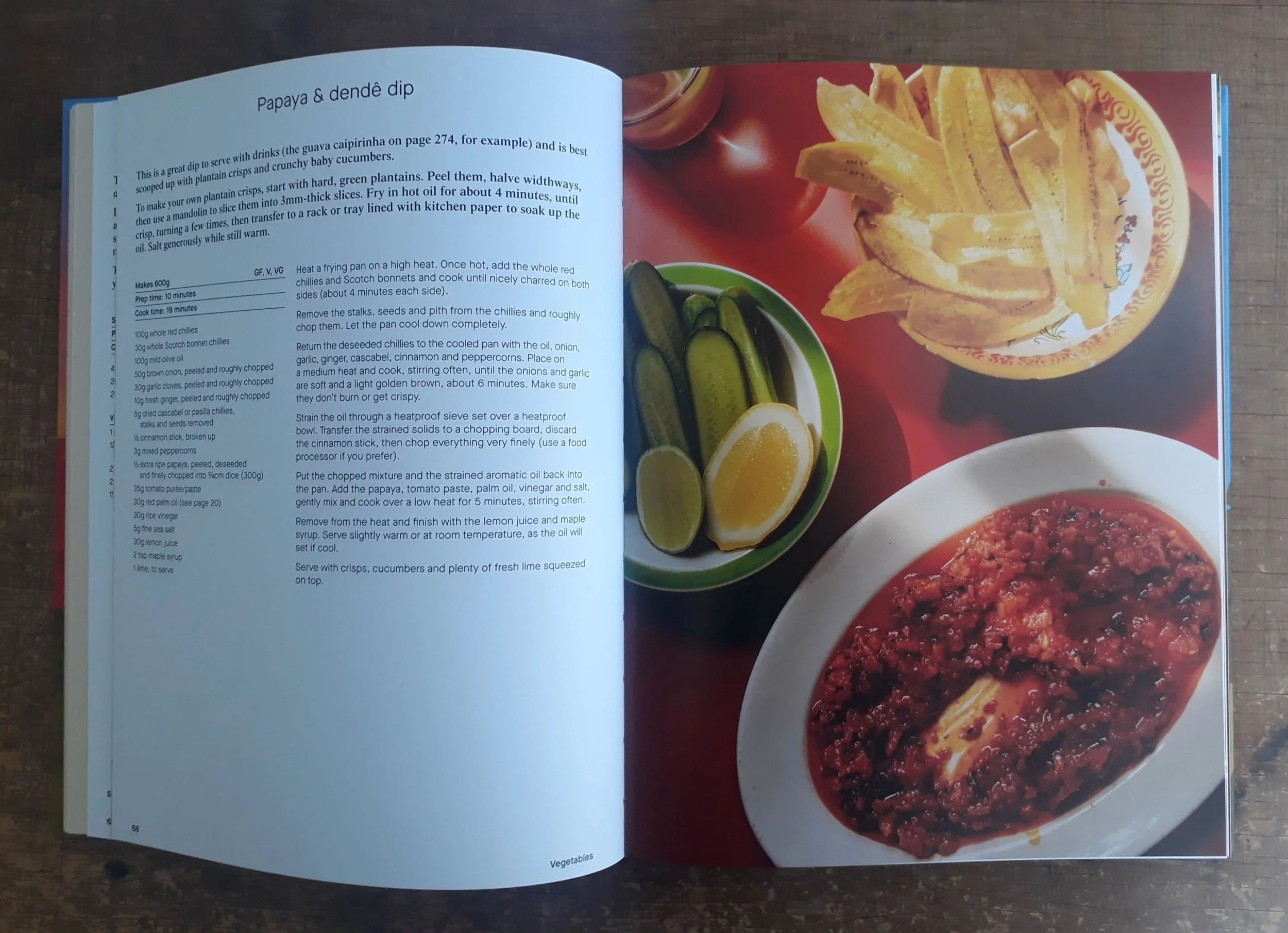
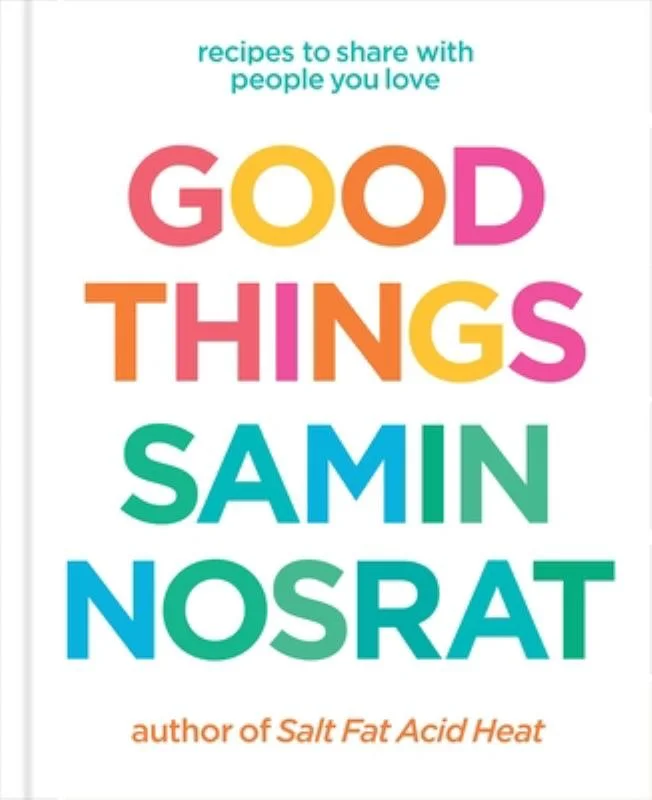
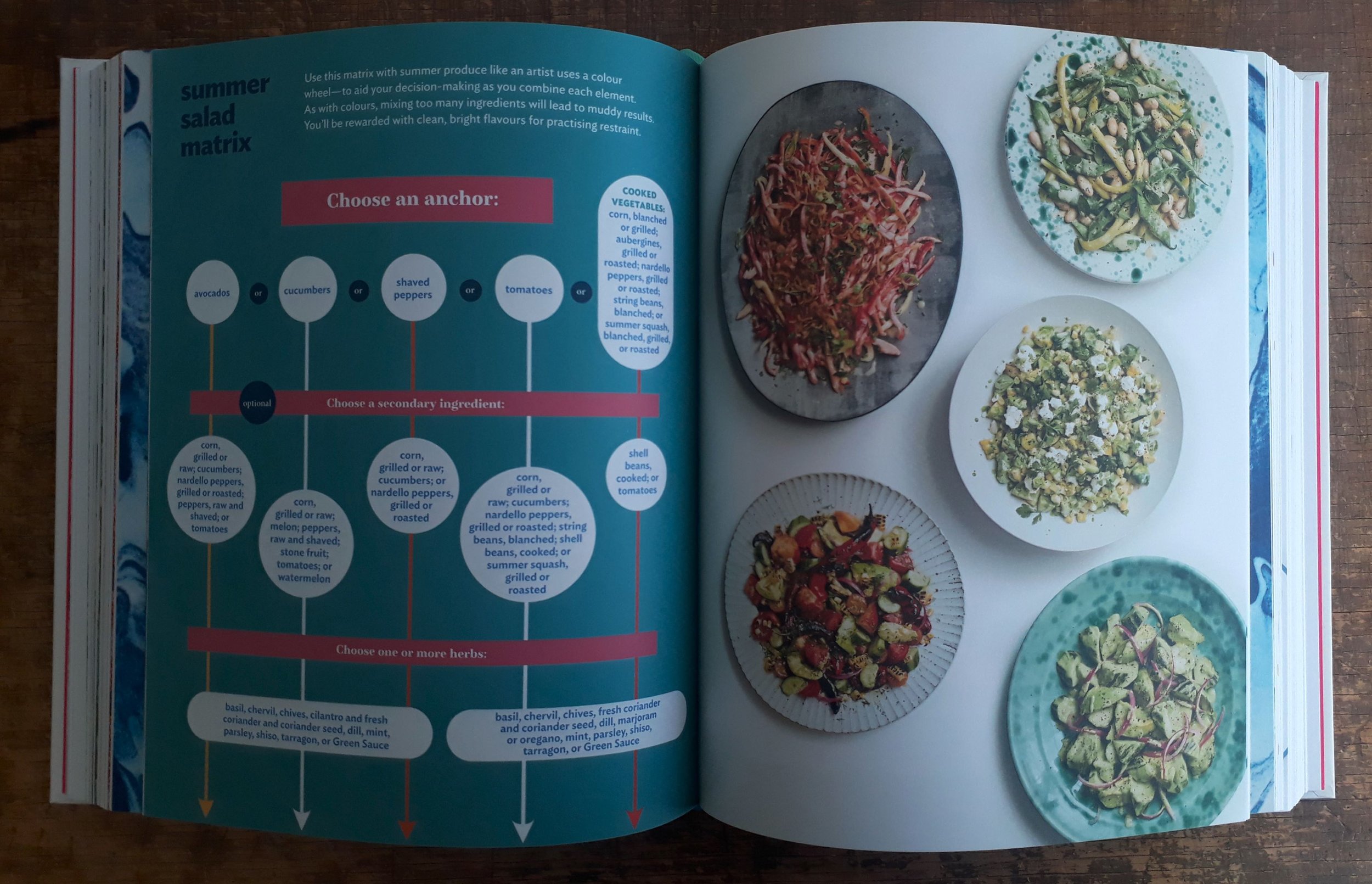
From the author of the bestseller Salt Fat Acid Heat comes Good Things: — a treasure box of a cookbook. In Samin Nosrat’s treasure chest you’ll find her beloved everyday recipes and favourite ingredients, as well as tools, tips and techniques, all imbued with her love for food and pleasure in sharing.
”There is magic in the way Samin teaches. She wins you over immediately with an irresistible combination of warmth, honesty, deep understanding of cooking…. If anyone can show us how to cook, it is Samin.” — Alice Waters

GOOD THINGS
 

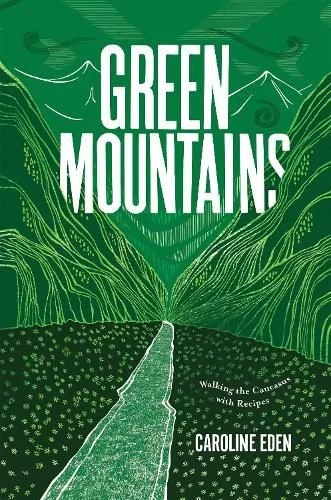
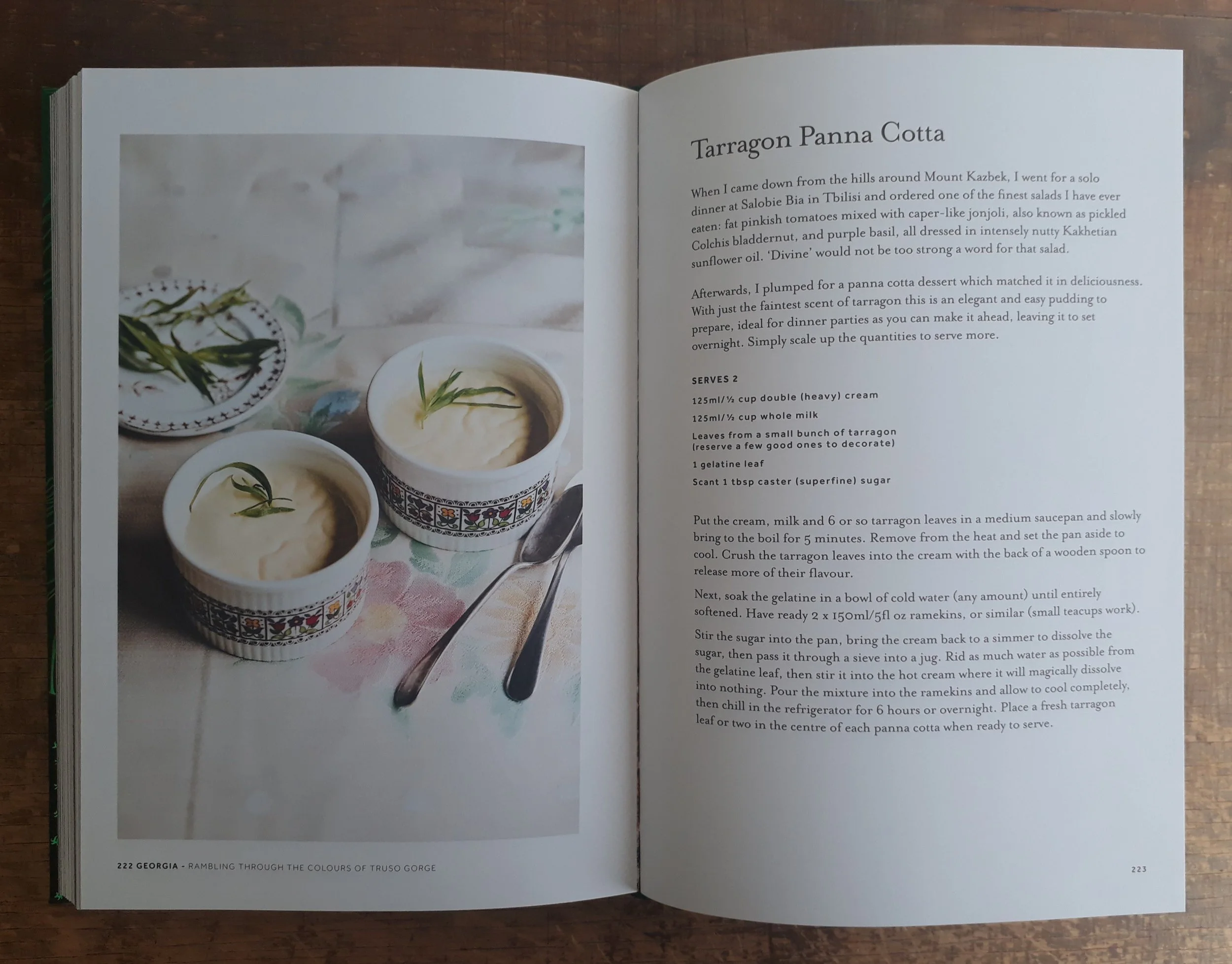
Take a journey into the mountains with travel and food writer Caroline Eden; from the sun-baked valleys of Armenia to the jagged peaks of Georgia. In Green Mountains you will find great walks, epic landscapes, lively stories, cultural history (*featuring this amazing building), and delicious recipes.
There is nobody writing about food at the moment who's committed to this level of immersion and it rings out in every line.” —Tim Hayward, Financial Times
One of the most brilliant travel writers of her generation.” —Fuchsia Dunlop

Other books by Caroline Eden: Black Sea, Red Sands, Cold Kitchen

TAKE A JOURNEY
 

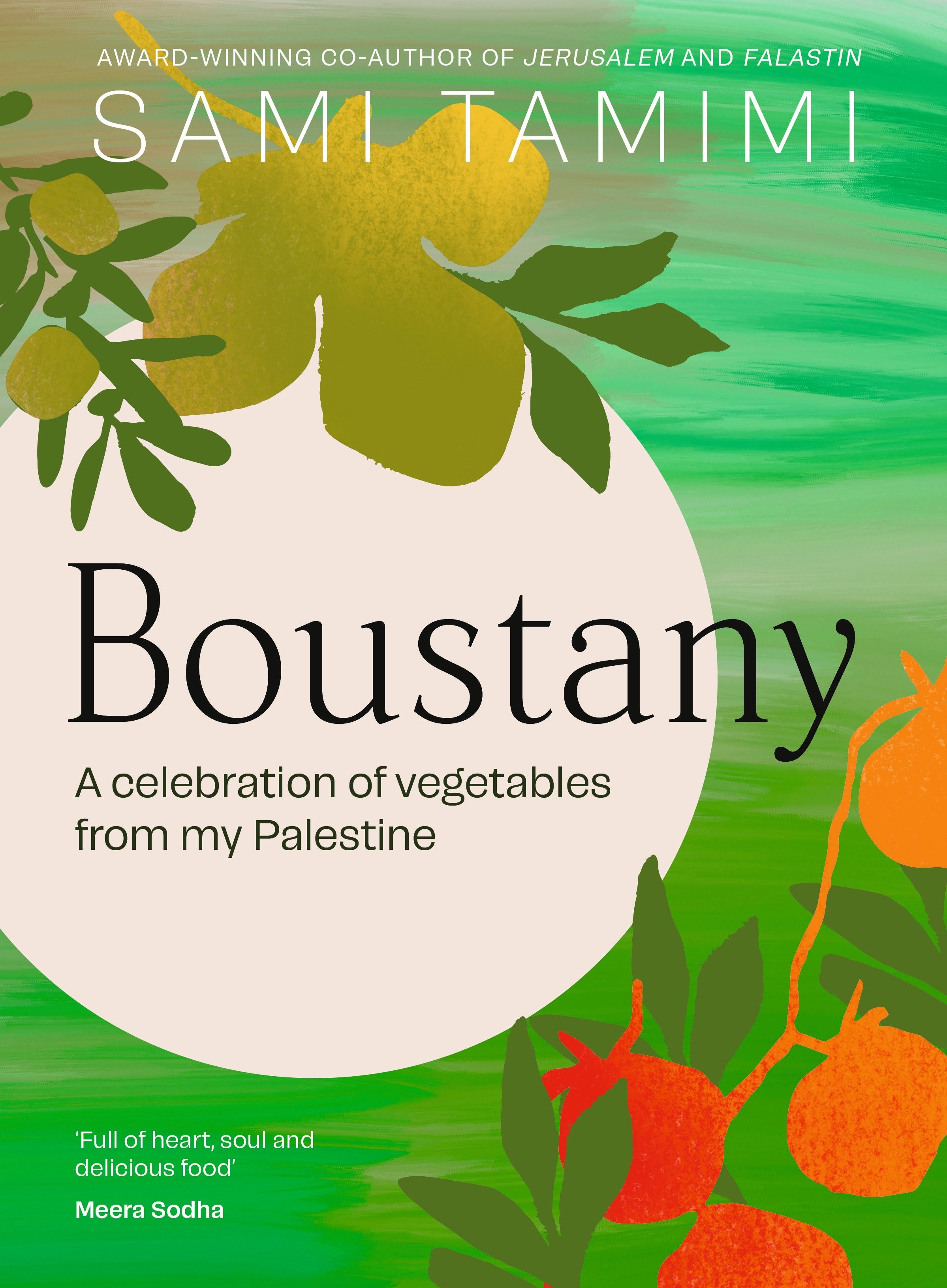
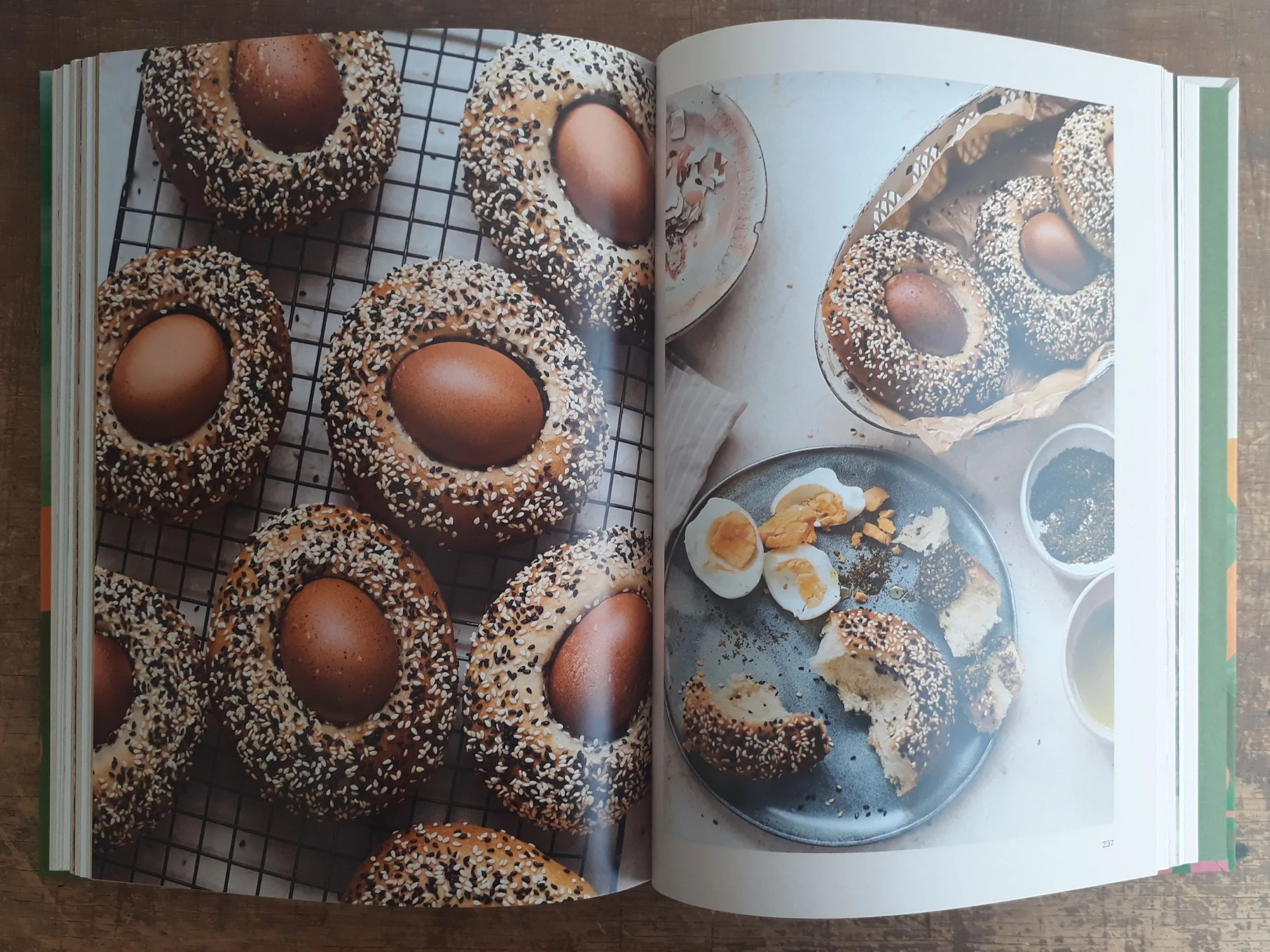
This is the perfect book for summer celebrations and relaxed dining. Boustany translates from Arabic as 'My Garden', and the recipes are down-to-earth, relaxed and plentiful. Bold, inspiring and ever-evolving, Boustany picks up where Falastin left off, with flavour-packed, colourful and simple vegetable- and grain-led dishes — a tribute to his Palestinian heritage.
This is my dream cookbook. It's full of heart, soul and Sami's very delicious food. I have a library of cookbooks, but Sami's are one of the only ones I genuinely cook from.’” —Meera Sodha
”I love Sami Tamimi's wonderful Boustany. It is thrilling and also moving to see what a great chef has done with the flavourful home cooking of a people with a rich and diverse culinary tradition and a deep connection with the land.” —Claudia Roden

DINE IN SAMI'S GARDEN
 

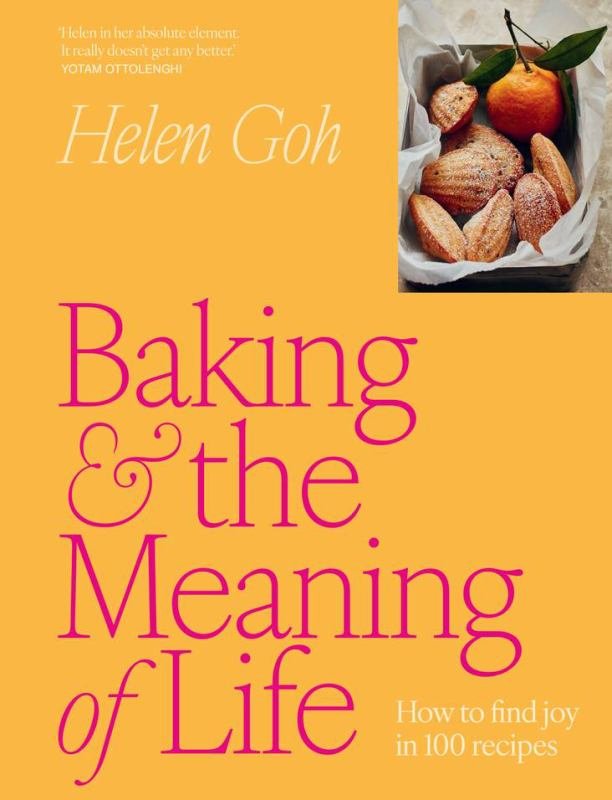
Helen Goh draws on her upbringing in Malaysia and Australia, her acclaimed work with Yotam Ottolenghi, and her psychology training to share her distinctive approach to baking. Baking and the Meaning of Life is a stand-out. Divine sweet treats, next-level cakes, tarts and loaves, chocolate and fruits …and more. Over 100 of Goh’s favourite recipes to explore and share.
Helen in her absolute element. It really doesn't get any better.’” — Yotam Ottolenghi
”I have rarely leafed through a book and wanted so much to get into the kitchen!” — Diana Henry

JOYFUL BAKING
 
BROWSE OUR COOKBOOKS
VOLUME BooksWHISK
Get your SEASONAL GIFTS from VOLUME

The best ways to get all your seasonal gift shopping done painlessly (pleasurably!) at VOLUME:

  1. Ask our advice. We’ve had decades’ worth of experience helping all sorts of people to choose just the right book to give as a gift (or to keep for themselves). Just send us your gift-recipient list and we will send you some suggestions from our shelves (or we can arrange a Zoom consultation, if you like!). We can gift-wrap the books and dispatch them to you or to the recipients, or have them ready to collect from our door. >>Ask our advice now.

  2. Browse our website and choose. Our shelves are full of interesting, well-written and beautiful books — all selected by us for their excellence — and our shop website is arranged to help you choose just the right thing. Find the authors or titles you love with the quick-search bar — or make discoveries! Click on our website’s categories and sub-categories bring you to ‘virtual shelves’ of books of similar interest (where relevant, you will find page-views of the insides of the books, to help you choose).
    Here are a few shortcuts to some really good books:

START BROWSING NOW
ASK OUR ADVICE
OR SEND A DIGITAL GIFT CARD

We can gift-wrap the books* and dispatch them by overnight courier to you or to the recipients — or have them ready to collect from our door.
(*we do not charge for gift-wrapping)

VOLUME BooksBook lists
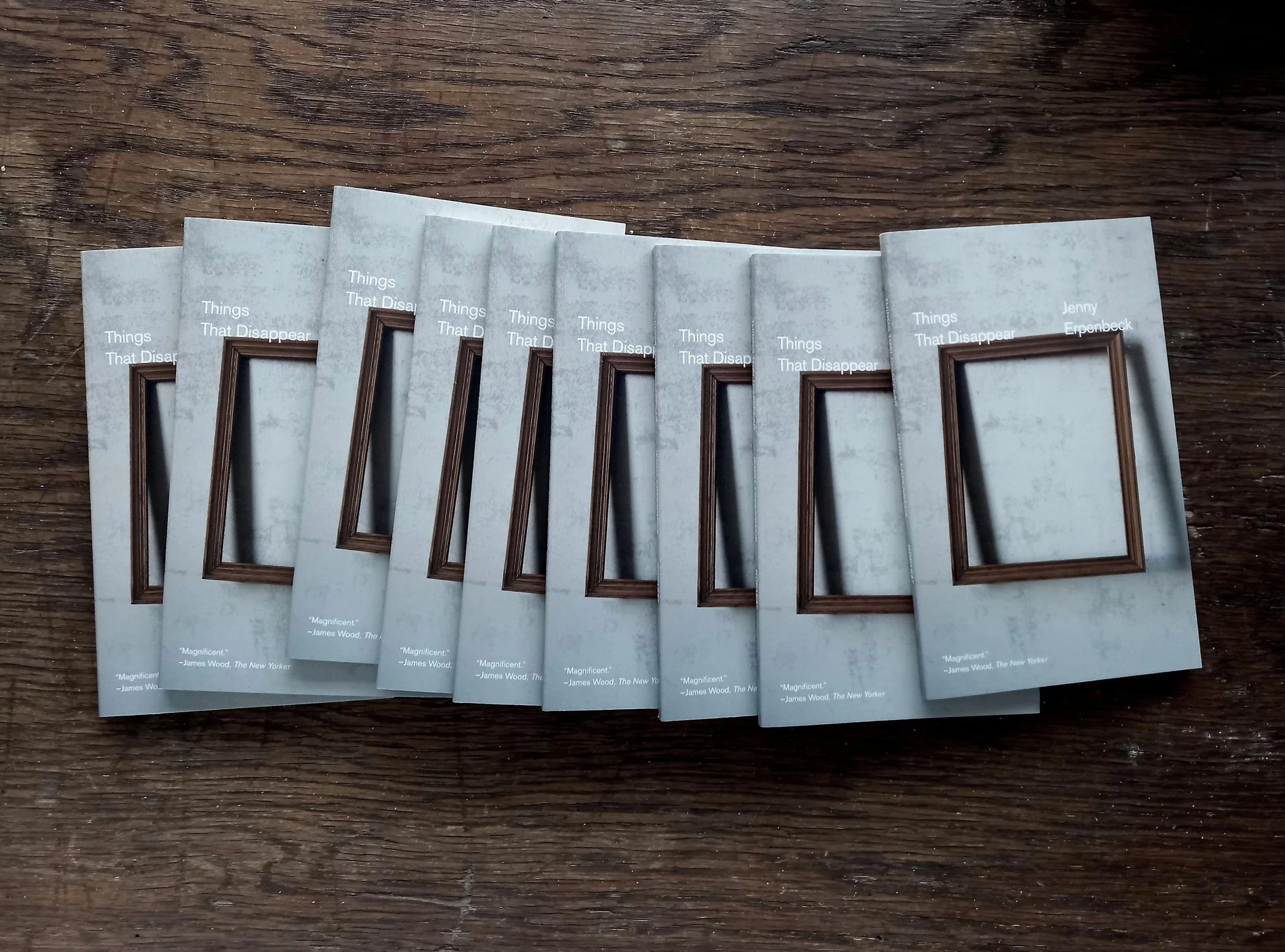
Book of the Week: THINGS THAT DISAPPEAR by Jenny Erpenbeck (translated by Kurt Beals)

A collection of interlinked miniature prose pieces that grapple with the phenomenon of disappearance on scales both large and small. The things that disappear in these pages range from everyday objects such as socks and cheese to close friends and the social norms of common courtesy, to sites and objects resonant with East German history, such as the Palace of the Republic or the lines of sight now blocked by new construction in Berlin. Erpenbeck asks: "Is there some kind of perpetrator who makes things that I know cherish and disappear?" These things disappear, and yet do they really? Do they remain in our memories more fully than if they continued to exist?

GET YOUR COPY
NEW RELEASES (20.11.25)

All your choices are good! Click through to our website (or just email us) to secure your copies. We will dispatch your books by overnight courier or have them ready to collect from our door in Church Street, Whakatū.

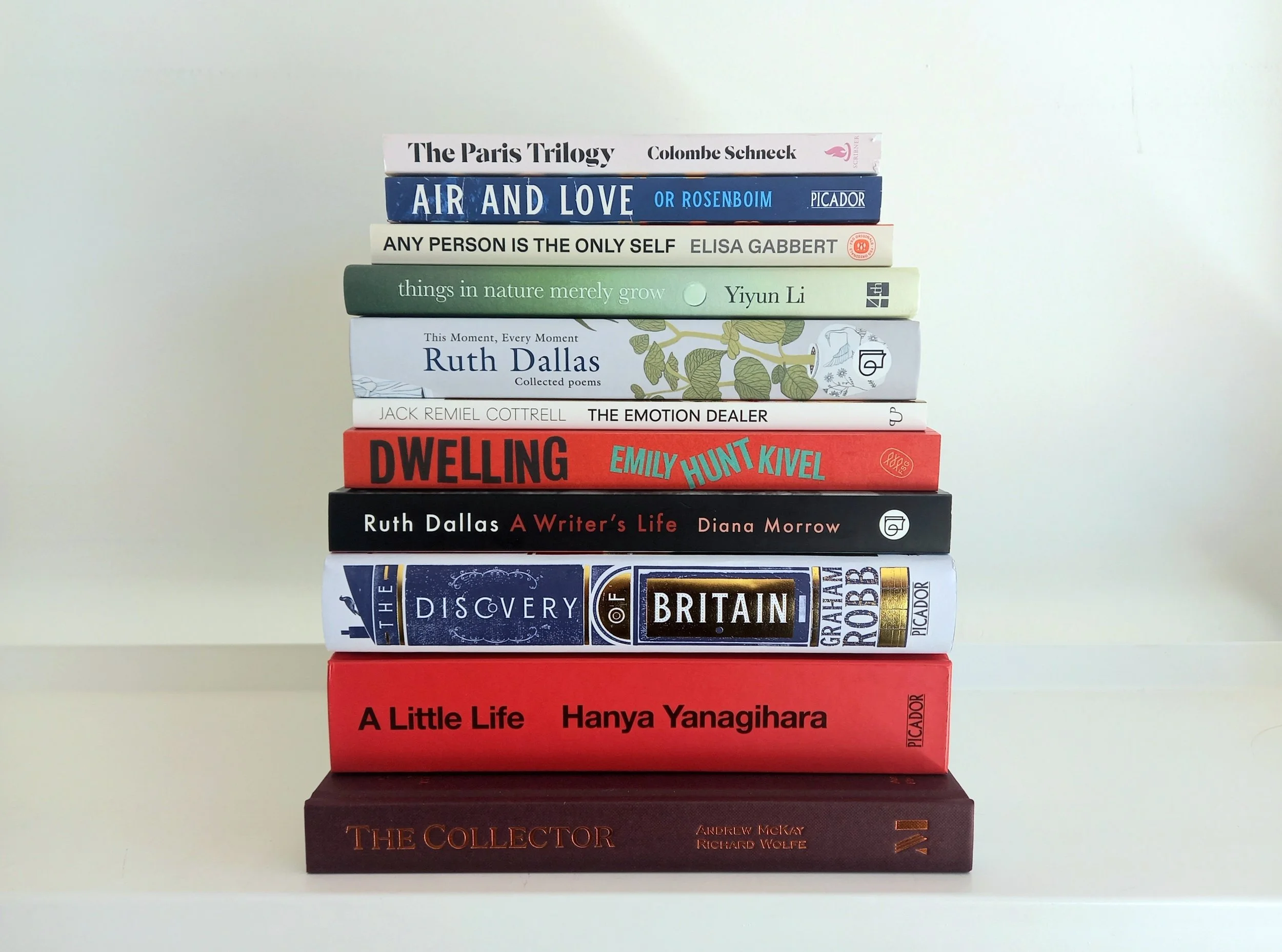
The Paris Trilogy by Colombe Schneck (translated from French by Lauren Elkin and Natasha Lehrer) $33
Writing in response to Annie Ernaux and in conversation with Elena Ferrante, Colombe Schneck's three semi-autobiographical takes on a woman's life form an elegant, powerful exploration of sexuality, bodily autonomy, friendship, loss and renewal. Colombe is seventeen in 1984 and carefree, busy discovering sex and studying for her baccalauréat. When she becomes pregnant her choice to have an abortion is never in question. Yet suddenly she must grapple with the body that has brought the precarity of her freedom into focus. Colombe and Héloïse are two little Parisian liberals, friends since the age of eleven. They look alike, have similar upbringings and for years they follow parallel paths: university, love affairs, work, marriage, children, divorce, more love affairs. They are the most enduring witnesses to each other's lives, until illness betrays them. Colombe reconnects with Gabriel in her fifties; their relationship is passionate and transformative. As it unfolds, Colombe discovers many things about herself, including a newfound appreciation for swimming, and the euphoria and strength of a body learning when to push and when to let go. [Paperback]
”This is valuable writing. It has immense vitality. You will encounter a female narrator whose direct and bright-eyed stare at the world, and her self, is without shame or faux modesty. At the same time, it is also a deep study of existence, at various ages and stages in life.” —Deborah Levy
”The 'movements' of The Paris Trilogy thrum with life, sparkle with insight. It was an exhilarating read. I've never encountered a more perfect depiction of how the world shrinks when you understand that you're a 'girl', rather than a 'person'.” —Natasha Brown
”'Seventeen’ mines a trauma all too common for women and is published at a time when France has just enshrined abortion rights in their constitution. I found it a tale of frank retrospection, a mature woman looking back on her naive self with love and respect. It is immensely readable and still sadly relevant. Give it to every young woman you know.” —Monique Roffey
>>Not writing with no affect.
>>Paris and swimming.

GET YOUR COPY
 

Things in Nature Merely Grow by Yiyun Li $45
"There is no good way to state these facts, which must be acknowledged. My husband and I had two children and lost them both: Vincent in 2017, at sixteen, James in 2024, at nineteen. Both chose suicide, and both died not far from home." There is no good way to say this — because words fall short. It takes only an instant for death to become fact, "a single point in a timeline." Living now on this single point, Li turns to thinking and reasoning and searching for words that might hold a place for James. Li does what she can: "doing the things that work," including not just writing but gardening, reading Camus and Wittgenstein, learning the piano, and living thinkingly alongside death. This is a book for James, but it is not a book about grieving or mourning. As Li writes, "The verb that does not die is to be. Vincent was and is and will always be Vincent. James was and is and will always be James. We were and are and will always be their parents. There is no now and then, now and later, only, now and now and now and now." [Hardback]
”To state that this courageous book is a testament to love is an understatement. One is left altered by it at the same time as desperately wishing that it had never needed to be written at all.” —Observer
”A book unlike any I've read, that brims with rare clarity and intelligence, with love and care. It will stay with me for a long time.” —Cecile Pin
>>A new alphabet, a new vocabulary.

GET YOUR COPY
 

This Moment, Every Moment: Collected poems by Ruth Dallas (edited by Nicola Cummins) $50
Ruth Dallas's voice is unique within the Aotearoa New Zealand literary canon. Her poetry is characterised by a profound connection to nature and seasonal rhythms. It is deeply grounded in place — often to locations in Otago and Southland, where she spent most of her life — yet universal in its reach. The clarity, elegance and apparent simplicity of her style owe much to her interest in classical Chinese poetry and thought. This Moment, Every Moment demonstrates the majesty of Dallas's craft across her lifetime of poetic work. Time spent in contemplation of even a single Dallas poem is always time richly rewarded; how much more so with this complete collection. This new volume brings together previously uncollected poems written in Dallas's youth, alongside all her published collections — from her arrival in 1953 as a significant voice in the New Zealand literary landscape with Country Road and Other Poems, 1947-52, to her final book, The Joy of a Ming Vase, published in 2006. [Nice hardback with cover art by Kushana Bush]
”No other poems written in this country move & haunt me as Ruth's do.” —Charles Brasch.

GET YOUR COPY
 

Ruth Dallas: A writer’s life by Diana Morrow $45
Ruth Dallas (1919-2008) is one of Aotearoa New Zealand's most distinctive, respected and influential literary voices. Yet despite her international success and her enduring presence as one of the country's most anthologised poets, the full extent of her contribution to New Zealand literature has been relatively unexamined and under-appreciated. This comprehensive biography redresses this imbalance, and gives this outwardly reserved South Islander her (over)due place in the spotlight as a significant poet, fiction writer and children's author. Drawing on Dallas's 1991 autobiography, Curved Horizon, her writing notebooks and journals, and letters and interviews, Morrow shows how the girl whose first published work appeared in the children's pages of the Southland Daily News grew up to become the internationally acclaimed author of nine poetry collections, a book of short stories and eight children's books. Ruth Dallas: A writer's life illuminates Dallas's personal and professional relationships, describes major formative episodes in her life — including the traumatic loss of an eye as a teenager — and investigates her inspirations and creative process. Morrow brilliantly captures the inter-regional jousting of the post-war New Zealand literary scene, and Dallas's independent-minded and highly respected presence within it. An early and regular contributor to Landfall, Dallas became both a friend and a trusted literary advisor to the journal's founding editor, Charles Brasch, working for a time as Landfall's 'secretary' — a role perhaps more justly described as co-editor. As well as Brasch, Dallas's circle of friends and colleagues included James K. Baxter, Alistair Te Ariki Campbell, Roderick Finlayson, Janet Frame and Basil Dowling. In this generously illustrated biography, Morrow gives us the Ruth Dallas that her family and friends knew and loved: a private person with a lively outlook on life; a serious and informed writer with an impish sense of humour; and a writer of clarity and insight. [Paperback]

GET YOUR COPY
 

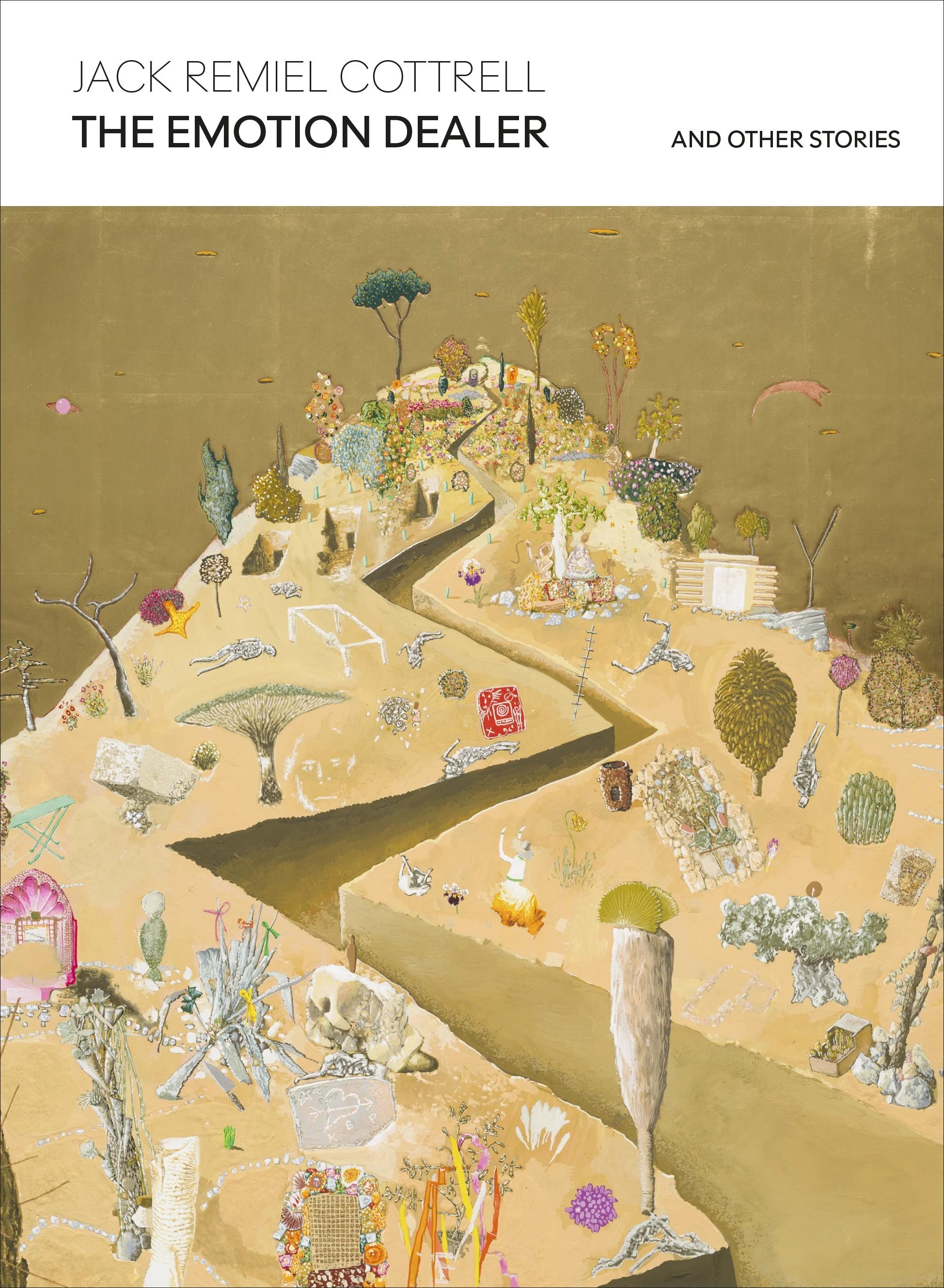
The Emotion Dealer by Jack Remiel Cotterell $30
Jack Remiel Cottrell's short fiction ushers the reader into a liminal world of grief and dreams. Stories of heartbreak and betrayal jostle with incisive cautionary tales about self-aware A.I., deranged algorithms, memory transplants and bionic enhancements. The Emotion Dealer is a kaleidoscopic exploration of technology, art, cities, capitalism, disinformation, loneliness and greed. It is a guide for our troubled moment and a book that will make you wonder what — if anything — we are leaving for those who come after us. [Paperback]
“The Emotion Dealer is constantly surprising, deeply incisive, and finely attuned to the way people interact with each other. Cottrell is already a master of the short story form.” —Brannavan Gnanalingam
“Inventive and full of feeling, this is fiction that gets into your blood, changes you. Cottrell is an alchemist of language, a mad scientist of story, transmuting essential ideas and moments into fascinating and faceted prose formations – you’ll be dazzled and moved by even the briefest of these glistering creations. In this collection, you have just about everything you could ever want, right there with you.” —Anthony Lapwood
The Emotion Dealer is astounding. This is a collection of urgent contrasts – gentle yet brutal, hopeful yet terrifying, dark yet so full of light. Jack takes us on a journey of what could be and is, leading us by the hand into a future as wicked and foreboding as it is radiant. Fears are brought to life and created in our image, and the result is absolutely captivating. The best works are those that make us feel, and The Emotion Dealer demands we do. The challenge is exhilarating. What a gift this collection is.” —Emily Writes

GET YOUR COPY
 

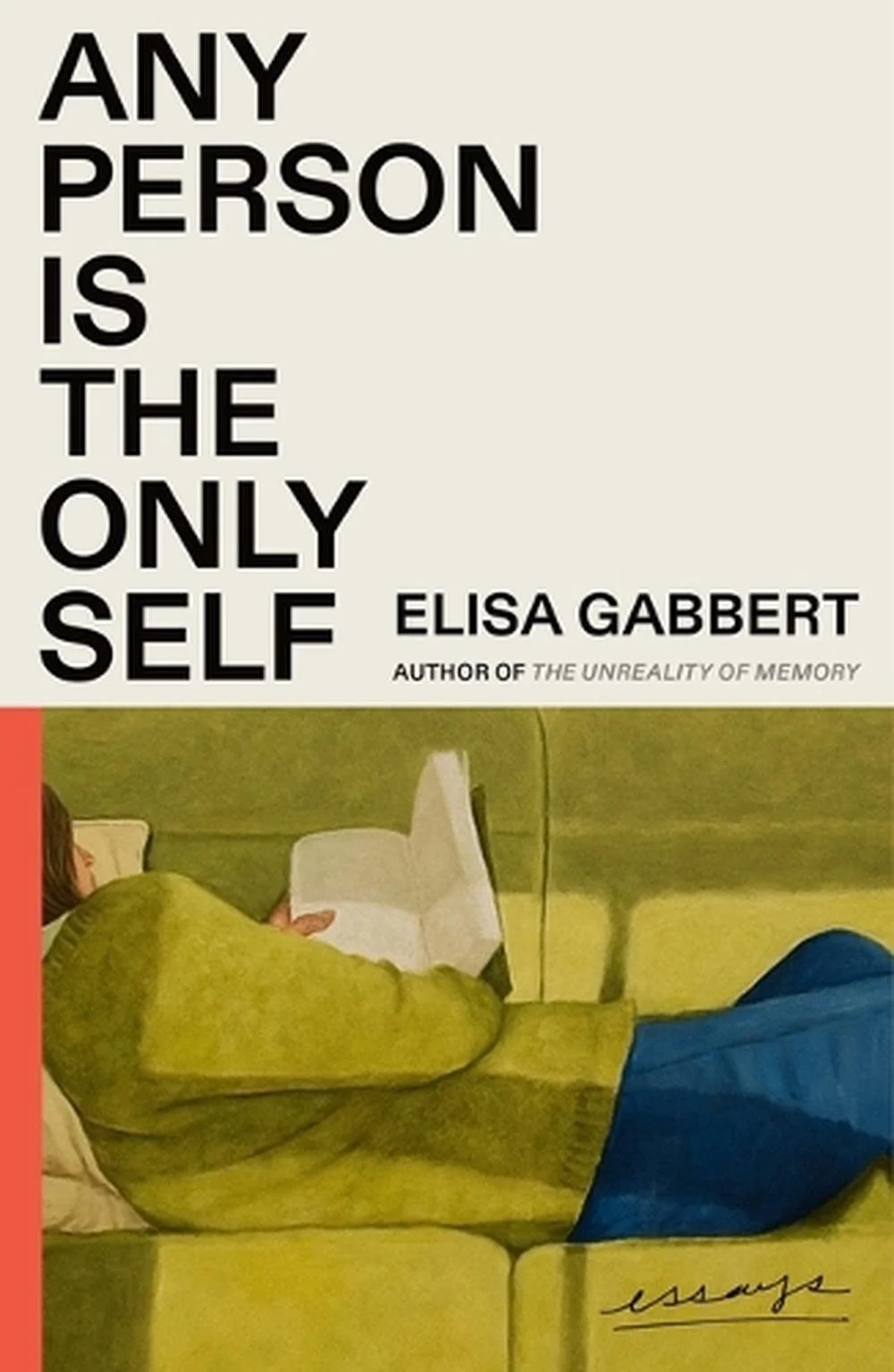
Any Person Is the Only Self by Elisa Gabbert $45
Who are we when we read? When we journal? Are we more ourselves alone or with friends? Right now or in memory? How does time transform us and the art we love? In sixteen essays, Gabbert explores a life lived alongside books of all kinds: dog-eared and destroyed, cherished and discarded, classic and cliched, familiar and profoundly new. She turns her witty, searching mind to the writers she admires, from Plath to Proust, and the themes that bind them — chance, freedom, envy, ambition, nostalgia, and happiness. She takes us to the strange edges of art and culture, from hair metal to surf movies to party fiction. The whole becomes a love letter to literature and to life. [Paperback]
"A work of embodied and experiential criticism, a record of its author's shifting relationships with the literature that defines her life. Gabbert is a master of mood, not polemic: in place of the analytic pleasures of a robustly defended thesis, we find the fresh thrills of a poet's perfected phrases and startling observations. Any Person Is the Only Self is both funny and serious, a winning melee of high and low cultural references, as packed with unexpected treasures as a crowded antique shop. She is a fiercely democratic thinker, incapable of snobbery and brimming with curiosity." —Becca Rothfeld, The Washington Post
"Any Person is the Only Self is absolutely brilliant, full of clarity and mystery and light: Gabbert effs the ineffable, describes the impossible to describe — the state of reading, what it means to remember. I'm still thinking about these essays, by which I mean still thinking about Gabbert's own thoughts; I keep bringing them up in conversation. Elisa Gabbert is one of my favorite living writers." —Elizabeth McCracken
>>Memory, identity, and synchronicities.

GET YOUR COPY
 

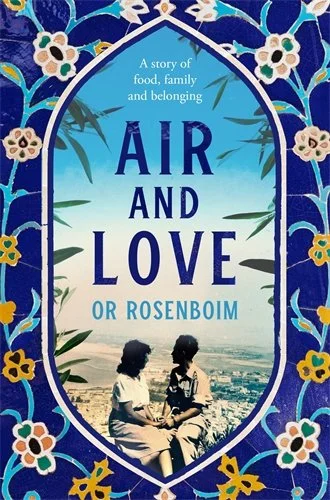
Air and Love: A story of food, family, and belonging by Or Rosenboim $28
As a child, Or Rosenboim’s knowledge of her Jewish family’s history was based on the food her grandmothers cooked for her — round kneidlach balls in hot chicken broth, cinnamon-scented noodle kugel, deep-pink stuffed quinces and herby green rice with a squeeze of lemon juice. It was only after reading their recipe books once they had both died that she began to understand their complicated past. Taking us from Samarkand and Riga to the Middle East, Air and Love is a deeply human retelling of some of the major moments of the twentieth century, and a family story of migration and belonging, suffused with recipes of the food made along the way. [Paperback]
'This is a moving memoir about how recipes are formed by migration, love and loss, even within a single family.” —Bee Wilson
”A fascinating book. ’Food of the road’: through memory, history, recipes — and love — a family, and an era’s, complex story is movingly traced.” —Judith Flanders

GET YOUR COPY
 

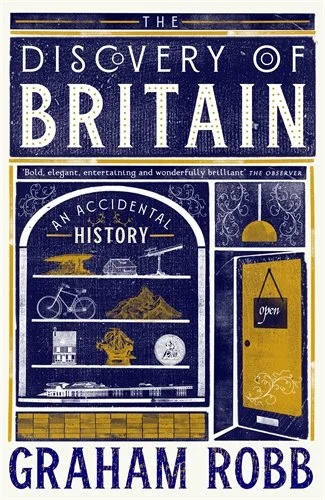
The Discovery of Britain: An accidental history by Graham Robb $60
Taking the reader on a time-travelling adventure around the "spindly, sea-wracked islands" known as Britain, this book is history that's both panoramic and intimate, poignant and shocking, seriously funny, and enlightening in the most surprising ways. Often from the unique vantage point of the author’s bicycle, we encounter an entertaining cast of characters foreign and homegrown, drop in on places and events, and dwell on the successes and catastrophes across British history. From ancient settlements swallowed up by the sea and the creation of Stonehenge to the advent of multiculturalism and recent political earthquakes, this is an enjoyably idiosyncratic take on place and history. With intriguing maps and illustrations throughout, The Discovery of Britain can be devoured whole or each chapter read in the time it takes to change a bicycle tyre or drink a cup of coffee. Enjoyable. [Hardback]
>>Books by Graham Robb.

GET YOUR COPY
 

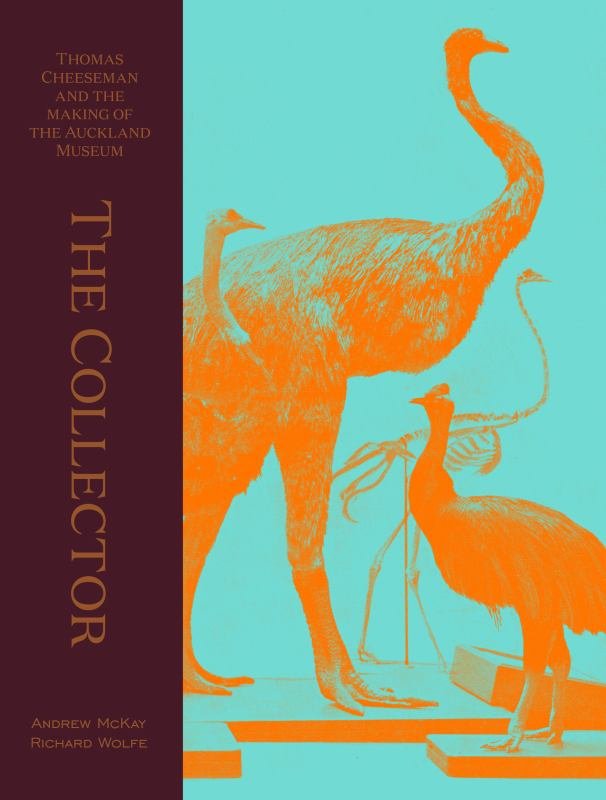
The Collector: Thomas Cheeseman and the making of the Auckland Museum by Andrew McKay and Richard Wolfe $65
When Thomas Cheeseman arrived in Aotearoa in 1853 at the age of eight, the world outside knew little of this country's people, plants, animals and environment. Within weeks, he began a lifelong love of collecting and classifying, and by his early twenties he was making waves in colonial scientific circles. Appointed the director of the Auckland Museum when it was not much more than a shed of curiosities, by sheer force of dedication he developed it into one of New Zealand's leading museums and scientific institutions. Along the way he cultivated relationships with the leading scientists of the day, including Charles Darwin and directors of the Royal Botanic Gardens at Kew, William and Joseph Hooker. And he collected many thousands of specimens and objects, making a vital contribution to our understanding of New Zealand's natural history. This handsome, richly illustrated book tells both his story and the story of the museum he founded. [Hardback]
>>Look inside!

GET YOUR COPY
 

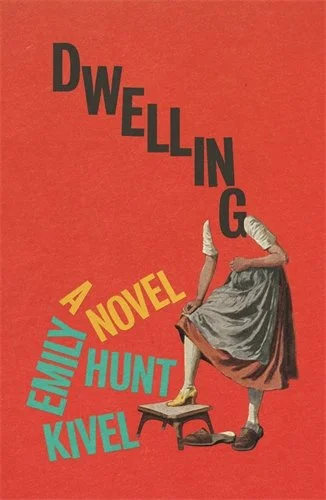
Dwelling by Emily Hunt Kivel $38
The world is ending. It has been ending for some time. When did the ending begin? Perhaps when Evie’s mother died, or when her father died soon after. Perhaps when her sister, Elena, was forcibly institutionalized in a psychiatric hippie commune in Colorado. Certainly at some point over the last year, as New York City spun down the tubes, as bedbugs and vultures descended, as apartments crumbled to the ground and no one had the time or money to fight it, or even, really, to notice. And then, one day, the ending is complete. Every renter is evicted en masse, leaving only the landlords and owners—the demented, the aristocratic, the luckiest few. Evie—parentless, sisterless, basically friendless, underemployed—has nothing and no one. Except, she remembers, a second cousin in Texas, in a strange town called Gulluck, where nothing is as it seems. And so, in the surreal, dislodged landscape, beyond the known world, a place of albino cicadas and gardeners and thieves, of cobblers and shoemakers and one very large fish, a place governed by mysterious logic and perhaps even miracles, Evie sets out in search of a home. A wry and buoyant fairy tale set at the apex of the housing crisis, Emily Hunt Kivel’s Dwelling takes us on a hapless hero’s journey to the end of the world and back again. Madcap and magical, hilarious and existential, Dwelling holds a funhouse mirror to our moment—for anyone in search of space, belonging, and some semblance of justice. [Paperback]
"Unlike any novel you will read this year, a story about millennial angst that is also a bewitching fable. Dwelling is social commentary wrapped into a delightful allegory about identity, work, ritual and tradecraft." —Marc Weingarten, Los Angeles Times
”A book of miracles masked by the mundane, an entertaining antidote to urban ennui that doubles as a survival guide for souls refusing to surrender to the superficiality of their surroundings." —Roberto Ontiveros, Dallas Morning News
"Dwelling, Emily Hunt Kivel's kooky, endearing fairy tale of a debut novel, is interested in the wobbly line between what's real and what's not — and on what could happen in a world that is deeply, invigoratingly made up. Allusions to myths, fables, and riffs on common idioms abound, many of them evocative and quite funny." —Lora Kelley, The New Yorker
>>A serious attempt to remain curious.

GET YOUR COPY
 

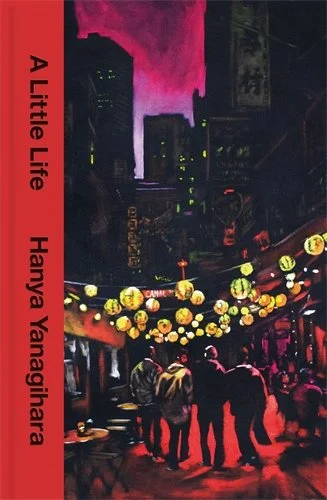
A Little Life (10th anniversary collectors’ edition) by Hanya Yanagihara $60
This exclusive 10th anniversary edition features cover artwork by RF. Alvarez and Linus Borgo, painted in response to the book, as well as an exclusive interview of the author by Neel Mukherjee.
When four graduates from a small Massachusetts college move to New York to make their way, they're broke, adrift, and buoyed only by their friendship and ambition. There is kind, handsome Willem, an aspiring actor. JB, a quick-witted, sometimes cruel Brooklyn-born painter seeking entry to the art world. Malcolm, a frustrated architect at a prominent firm. And withdrawn, brilliant, enigmatic Jude, who serves as their centre of gravity. Over the decades, their relationships deepen and darken, tinged by addiction, success, and pride. Yet their greatest challenge, each comes to realize, is Jude himself. By midlife a terrifyingly talented litigator yet an increasingly broken man, his mind and body scarred by an unspeakable childhood, and haunted by what he fears is a degree of trauma that he'll not only be unable to overcome — but that will define his life forever. [Hardback]
”This novel challenged everything I thought I knew about love and friendship.” —Dua Lipa

GET YOUR COPY
 
BROWSE MORE NEW RELEASES
VOLUME BooksNew releases
NEW RELEASES (18.11.25)

All your choices are good! Click through to our website (or just email us) to secure your copies. We will dispatch your books by overnight courier or have them ready to collect from our door in Church Street, Whakatū.

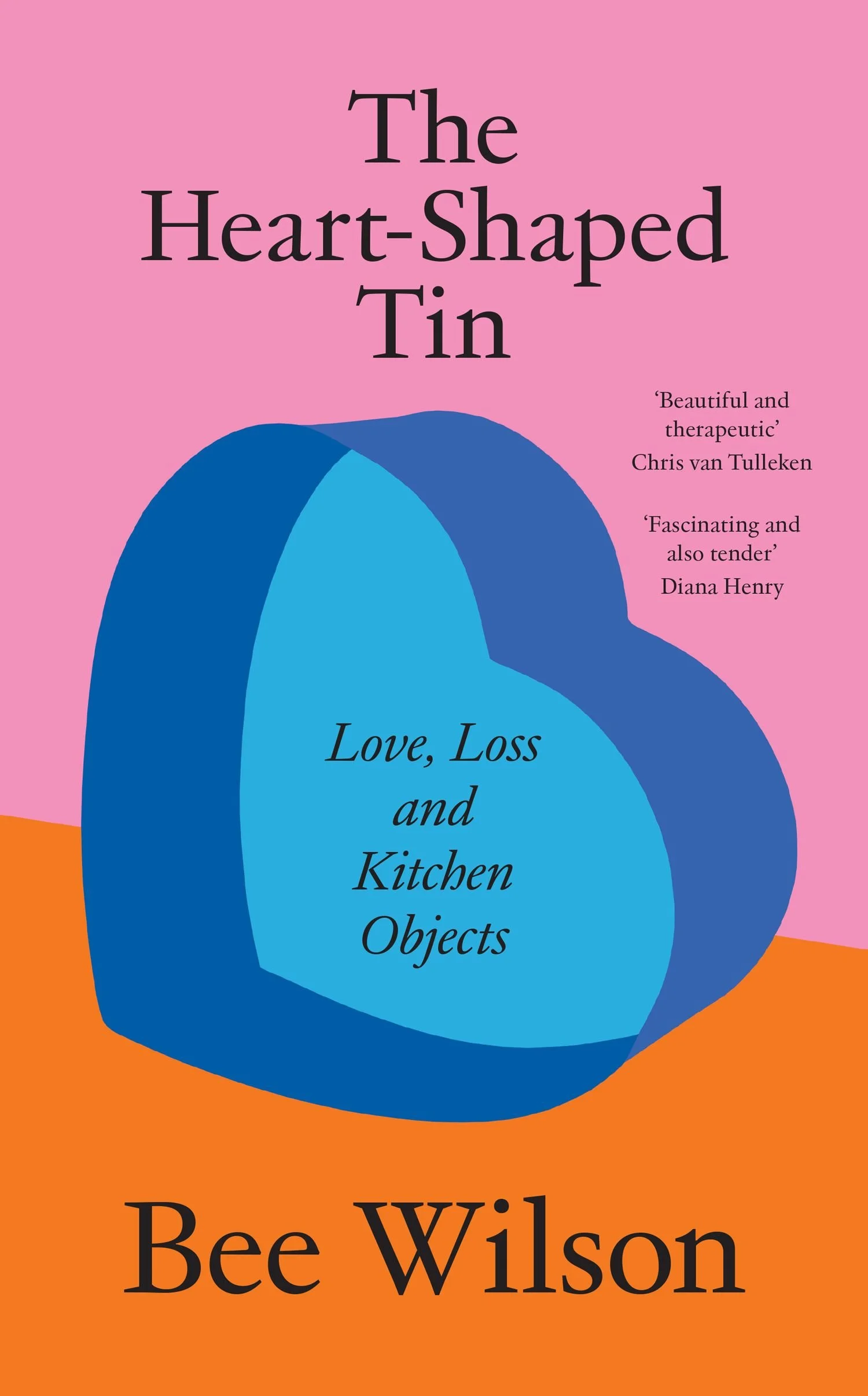
The Heart-Shaped Tin: Love, loss, and kitchen objects by Bee Wilson $50
This strikingly original account from award-winning food writer Bee Wilson charts how everyday objects take on deeply personal meanings in all our lives. One ordinary day, the tin in which Bee Wilson baked her wedding cake fell to the ground at her feet. This should have been unremarkable, except that her marriage had just ended. Unsettled by her own feelings about the heart-shaped tin, Wilson begins a search for others who have attached strong and even magical meanings to kitchen objects. She meets people who deal with grief or pain by projecting emotions onto certain objects, whether it is a beloved parent’s salt shaker, a cracked pasta bowl or an inherited china dinner service. Remembering her own mother, a dementia sufferer, she explores the ways that both of them have been haunted by deciding which kitchen utensils to hold on to and which to get rid of when you think you are losing your mind. Looking to different continents, cultures and civilisations to investigate the full scope of this phenomenon, Wilson blends her own experiences with a series of touching personal stories that reflect the irrational and fundamentally human urge to keep mementos. Why would a man trapped in a concentration camp decide to make a spoon for himself? Why do some people hoard? What do gifts mean? How do we decide what is junk and what is treasure? We see firsthand how objects can contain hidden symbols, keep the past alive and even become powerful symbols of identity and resistance; from a child’s first plate to a refugee’s rescued vegetable corers. Thoughtful, tender and beautifully written, The Heart-Shaped Tin is a moving examination of love, loss, broken cups and the legacy of things we all leave behind. [Hardback]
”This beautifully written book about the deep significance of certain objects in our kitchen is nothing less than an intense, compassionate expression of the human condition. Both intimate and expansive, The Heart-Shaped Tin is a book I know I'll give, urgently and importantly, to those I love.” —Nigella Lawson
”Bee Wilson has changed the landscape of the kitchen by breathing life into ordinary objects. Through this remarkable book you will find yourself discovering meaning in plates, sadness in spoons, love in a measuring cup. I want to give this book to every cook I know.” —Ruth Reichl
>>Passing through different hands.
>>Look inside the book.

GET YOUR COPY
 

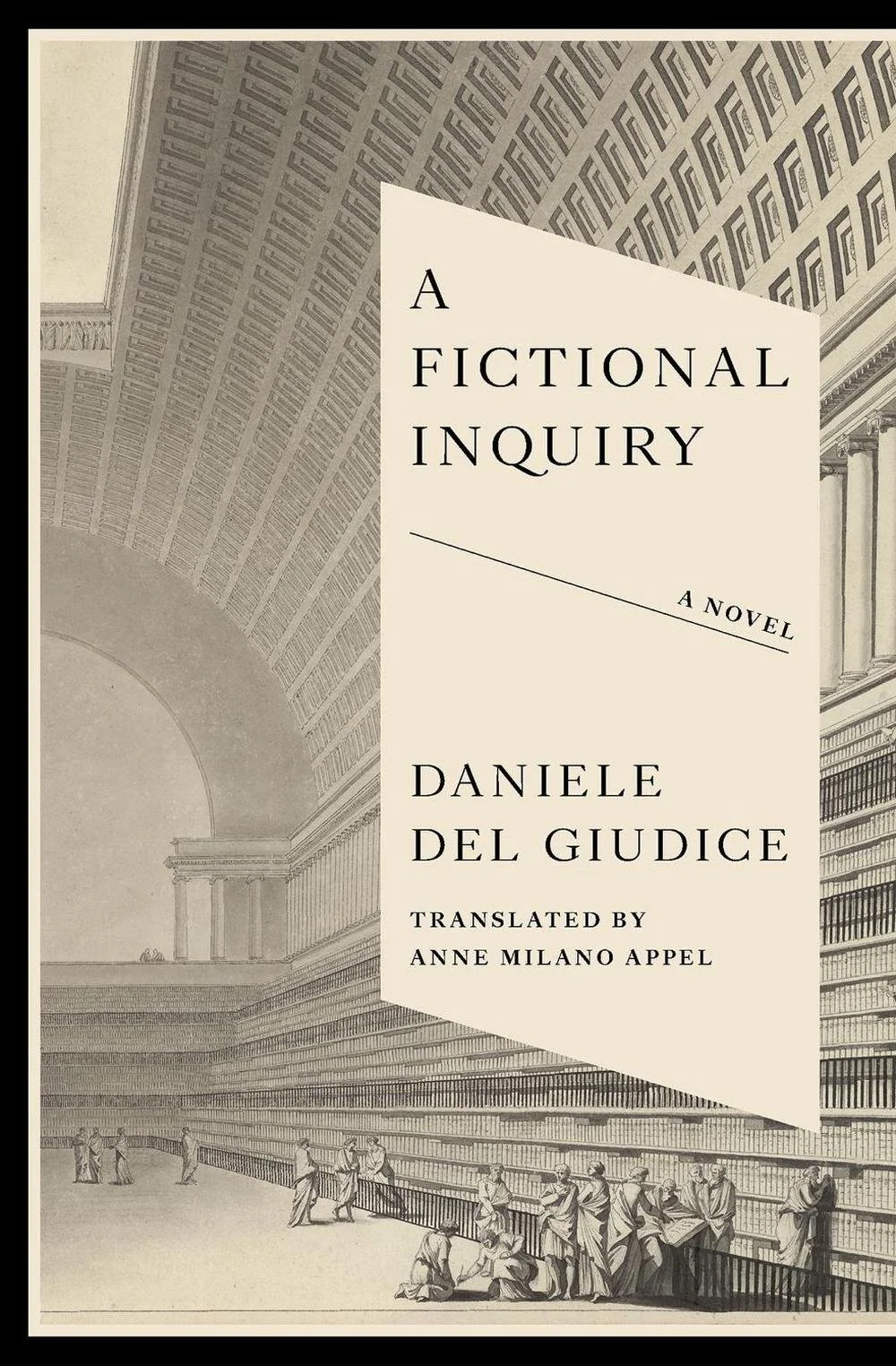
A Fictional Inquiry by Daniele del Giudice (translated from Italian by Anne Milano Appel) $45
This haunting novel was championed by acclaimed Italian author Italo Calvino who called it a "very simple book, straightforward to read, but at the same time possessing great depth and extraordinary quality." First published in 1983 and never before translated into English, A Fictional Inquiry tells of an unnamed narrator visiting Trieste and London to retrace the footsteps of a fabled literary figure. The narrator is intrigued by the elusive, long dead man of letters whose career proved decisive to the culture of his native Italy despite his apparently never having written a line. There are encounters with those who once loved him, walks along the streets he frequented, and visits to his favored cafés, bookstores, and a library in search of an answer. Why did he leave no written trace? In the end, as Italo Calvino wrote when this book originally appeared in Italian, who the legendary author manqué actually was is beside the point. What really matters are the questions and the disquiet running through these luminous pages, the dialectic between literature and life playing out just below the surface. A Fictional Inquiry — which includes notes from both Calvino and translator Anne Milano Appel — is a gem of unparalleled writing appearing in English for the first time. [Paperback]
"The vague state between writing and not writing, between the books written and the parallel world where they're not, this is what consumes the narrator of A Fictional Inquiry, a metaphysical detective story and a modern Italian classic. A strange and ambiguous novel and a brilliant meditation on the mysteries that inform literature." —Mark Haber
"Explores the nature of perception while critiquing both writers and the writing life. Anglophones at last have an opportunity to engage with this intriguing and intellectually stimulating novel for the first time." —On the Seawall
"Constant movement places A Fictional Inquiry in a line of texts narrated by a walker, from modernists like Robert Walser and Fernando Pessoa to more contemporary writers like Sebald." —Full Stop
>>An investigation into the nature of fiction and reality.

GET YOUR COPY
 

Mr Ward’s Map: Victorian Wellington, street by street by Elizabeth Cox $90
In 1891, a remarkable map of Wellington was made by surveyor Thomas Ward. It recorded the footprint of every building, from Thorndon in the north and across the teeming, inner-city slums of Te Aro to Berhampore in the south. Updated regularly over the next 10 years, it detailed hotels, theatres, oyster saloons, brothels, shops, stables, Parliament, the remnants of Maori kainga, the Town Belt, the prisons, the 'lunatic asylum', the hospital and much more, in detail so particular that it went right down to the level of the street lights. Luxuriously packaged, cloth-bound with a fold-out wrapper, Mr Ward's Map uses this giant map and historic images to tell marvellous stories about a vital capital city, its neighbourhoods and its people at the turn of the twentieth century. Very nicely presented in large format and full of valuable historical detail. [Hardback]
>>Look inside.
>>Victorian Google street-view.
>>88 A1 sheets.
>>Struggling.

GET YOUR COPY
 

Dead Ends by Laura Borrowdale $30
In the dark, uncanny world of Dead Ends, our ghosts live alongside us, break-ups come with a grisly cost, and there really are monsters under the bed. Laura Borrowdale's short story collection is full of the horrors of domestic banality, parenting, relationships, and womanhood. With deft and exacting prose, Borrowdale's stories reflect our own lives back at us told slant, revealing where something sinister lives just beneath the surface. [Paperback]
”Weird, disturbing and dystopian, but also at times warm and comical, Dead Ends reaches back to a tradition of New Zealand gothic, and forwards to a nebulous future. There is discord between siblings, parents and children, and romantic partners, the threat of AI artbots, annoying ghosts, and the menace of authoritarianism. This collection is filled with what ifs — What if you had to physically lose a limb to be allowed a divorce? What if you were forced to give yourself full body tattoos? What if a potter puts too much of her soul into her work? What if a pregnant woman's thoughts literally shape her baby? What if the government turned Jonestown on the populace? Laura Borrowdale is a skilled and imaginative storyteller with a pitch-perfect approach to the short story form.” —Airini Beautrais

GET YOUR COPY
 

The Late Marx’s Revolutionary Roads: Colonialism, gender and Indigenous communism by Kevin B. Anderson $47
In his late writings, Marx traveled beyond the boundaries of capital and class in the Western European and North American contexts. In research notebooks, letters, and brief essays during the years 1869-82, he turns his attention to colonialism, agrarian Russia and India, Indigenous societies, and gender. These texts, some of them only now being published, evidence a change of perspective, away from Eurocentric worldviews or unilinear theories of development. Anderson’s book focuses on how the late Marx sees a wider revolution that included the European proletariat being touched off by revolts by oppressed ethno-racial groups, peasant communes, and Indigenous communist groups, in many of which women held great social power. Anderson carries out a systematic analysis of Marx’s Ethnological Notebooks and related texts on India, Ireland, Algeria, and Latin America. This book will appeal to those concerned with the critique of Eurocentrism, racial domination, and gender subordination, but equally to those focusing on capital and class. For as Anderson shows, the late Marx transcended these boundaries as he elaborated a truly global, multilinear theory of modern society and its revolutionary possibilities. In all these ways, the writings of the late Marx speak to us today. [Paperback]
”Imperialism persists in the 21st century. Marx's last endeavors to overcome his Eurocentrism give an invaluable lesson to today's struggles against ongoing settler colonialism.” —Kohei Saito
”After the Young Marx, a Hegelian philosopher and the mature Marx, a political economist, we can now see the late Marx grappling with colonialism, globalization, various forms of landed property, and gradually questioning his own earlier Eurocentrism. This Third Marx, while the least well-known, may be the closest to our modern sensibilities and interests.” —Branko Milanovic

GET YOUR COPY
 

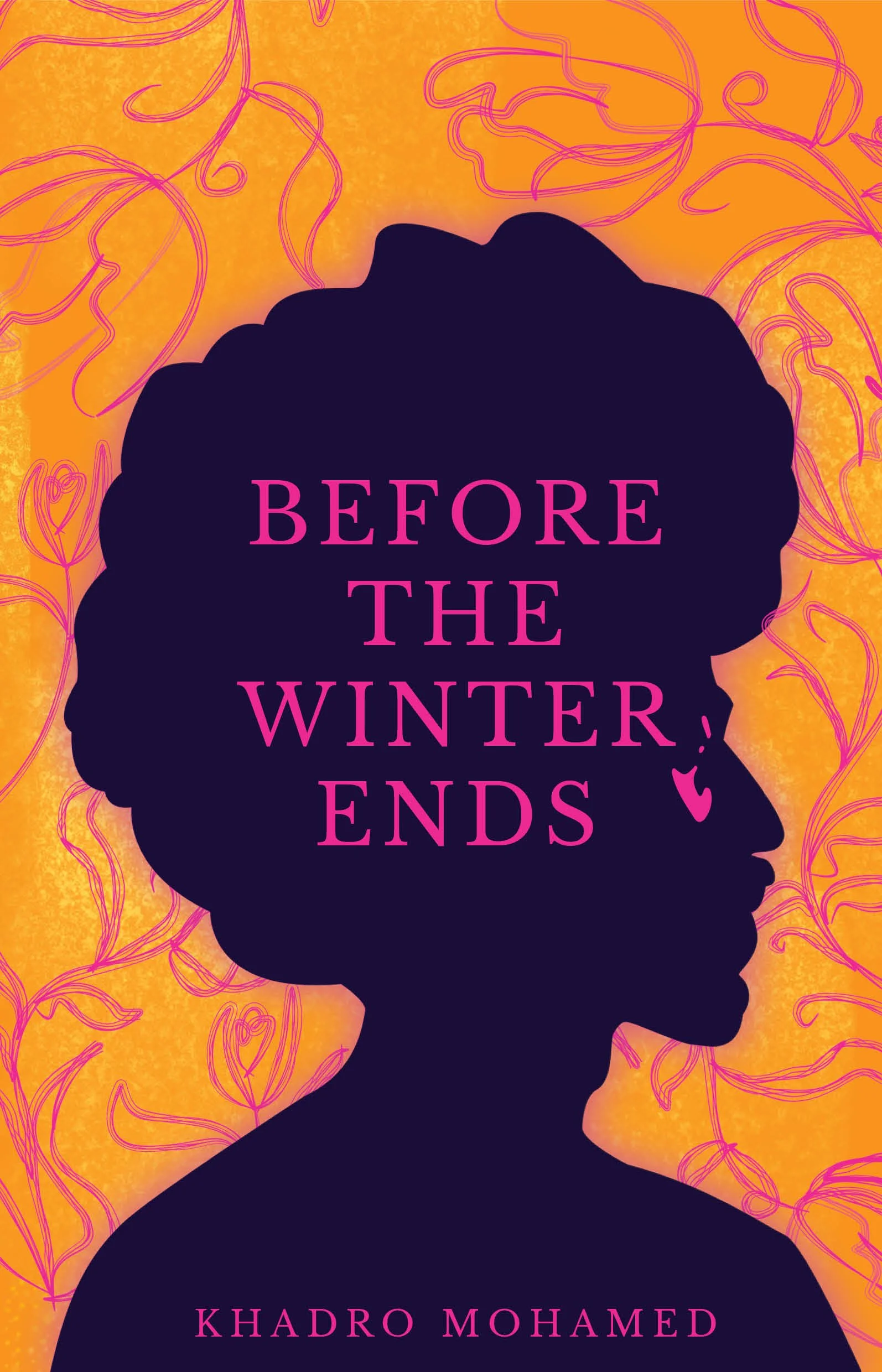
Before the Winter Ends by Khadro Mohammed $30
In the cold Wellington winter, Omar’s grades are slipping, his mum is unwell and his best friend is growing distant. Two decades earlier in Mogadishu, Asha and Yasser are falling in love and starting to build a life together while a burgeoning war threatens to take it away. Before the Winter Ends explores the relationship between mother and son across Aotearoa New Zealand, Somalia and Egypt as they search for understanding and try to bridge the distance between them. Khadro Mohamed’s debut novel is a stark portrayal of how the past illuminates the present and how grief shapes a family. [Paperback]
>>That prickly feeling.
>>An interview with the author.

GET YOUR COPY
 

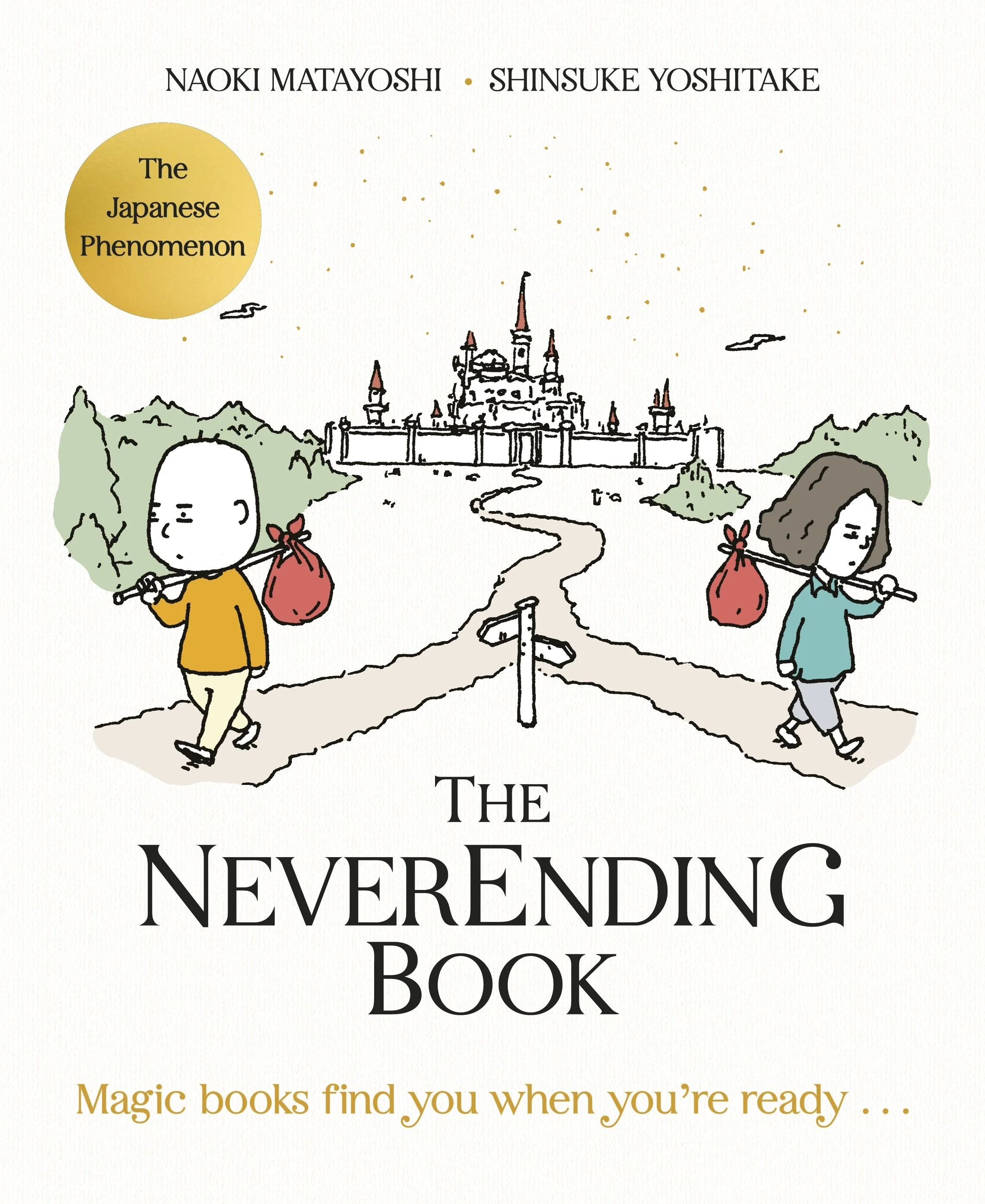
The Neverending Book by Naoki Matayoshi and Shinsuke Yoshitake $40
A book that makes the sound of turning pages fractionally too early, infuriating its readers; a diary shared by two children with painful secrets; a photo album left by a dying father for when his daughter gets married. An elderly book-loving king sends two subjects on a mission: to travel the world collecting stories about weird and wonderful books. Upon their return, they recount their stories for the king over the course of thirteen nights. From the comically irreverent to the heartrending to the heartwarming, The Neverending Book delves into all that a book can be, forming an enchanting compendium that reveals the ways in which we interact with books, and the importance they hold in our hearts — all told in words and pictures through the tale of two subjects gathering stories about books for their blind, book-loving king. [Hardback]
>>Look inside.

GET YOUR COPY
 

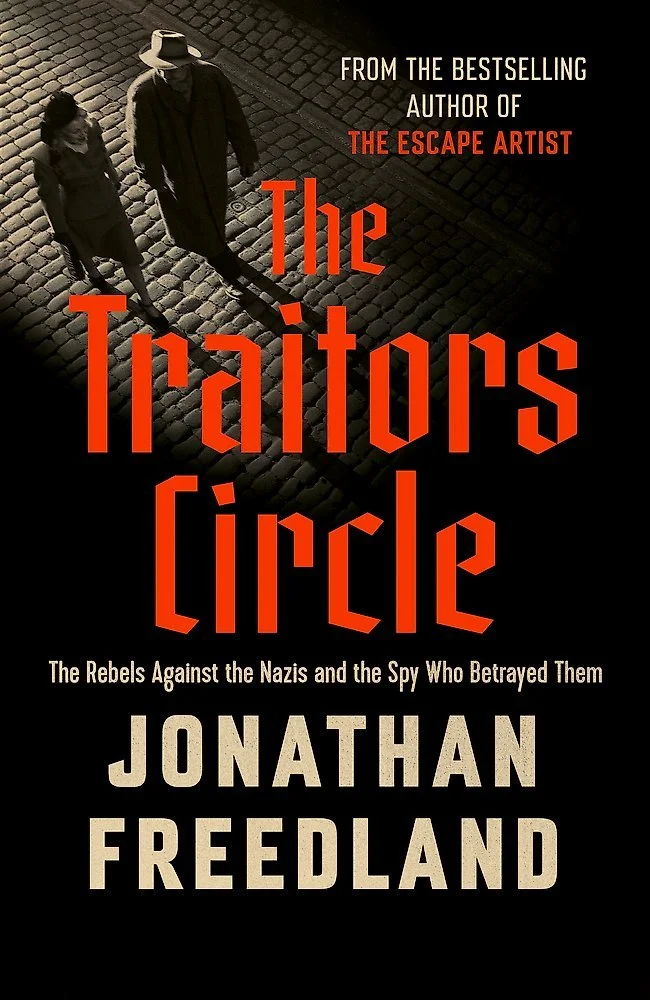
The Traitors Circle: The rebels against the Nazis and the spy who betrayed them by Jonathan Freedland $40
The Traitors Circle tells the true, but scarcely known, story of a group of secret rebels against Hitler. Drawn from Berlin high society, they include army officers, government officials, two countesses, an ambassador's widow and a former model — meeting in the shadows, whether hiding and rescuing Jews or plotting for a Germany freed from Nazi rule. One day in September 1943 they gather for a tea party — unaware that one among them is about to betray them all to the Gestapo. But who is the betrayer of a circle themselves branded 'traitors'? [Paperback]
”A story of unlikely rebels who had much to lose from resisting the Nazi regime, which so many of their peers supported. What made them trade personal safety for moral rectitude? Freedland's answer is as tense as a thriller yet perceptive, thoughtful and thoroughly researched. It made me think long after I'd turned the last page.” —Katja Hoyer
>>The uses of a sofa bed.

GET YOUR COPY
 

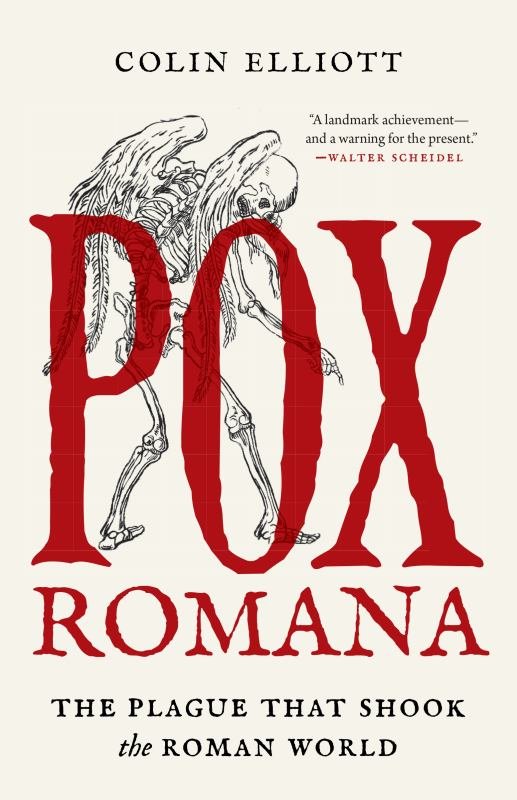
Pox Romana: The plague the shook the Roman world by Colin Elliott $40
In the middle of the second century AD, Rome was at its prosperous and powerful apex. The emperor Marcus Aurelius reigned over a vast territory that stretched from Britain to Egypt. The Roman-made peace, or Pax Romana, seemed to be permanent. Then, apparently out of nowhere, a sudden sickness struck the legions and laid waste to cities, including Rome itself. This fast-spreading disease, now known as the Antonine plague, may have been history's first pandemic. Soon after its arrival, the Empire began its downward trajectory toward decline and fall. In Pox Romana, historian Colin Elliott offers a comprehensive, wide-ranging account of this pivotal moment in Roman history. Did a single disease its origins and diagnosis still a mystery bring Rome to its knees? Carefully examining all the available evidence, Elliott shows that Rome's problems were more insidious. Years before the pandemic, the thin veneer of Roman peace and prosperity had begun to crack: the economy was sluggish, the military found itself bogged down in the Balkans and the Middle East, food insecurity led to riots and mass migration, and persecution of Christians intensified. The pandemic exposed the crumbling foundations of a doomed Empire. Arguing that the disease was both cause and effect of Rome's fall, Elliott describes the plague's 'preexisting conditions' (Rome's multiple economic, social, and environmental susceptibilities); recounts the history of the outbreak itself through the experiences of physician, victim, and political operator; and explores post-pandemic crises. The pandemic's most transformative power, Elliott suggests, may have been its lingering presence as a threat both real and perceived. Interesting. [Now in paperback]

GET YOUR COPY
 

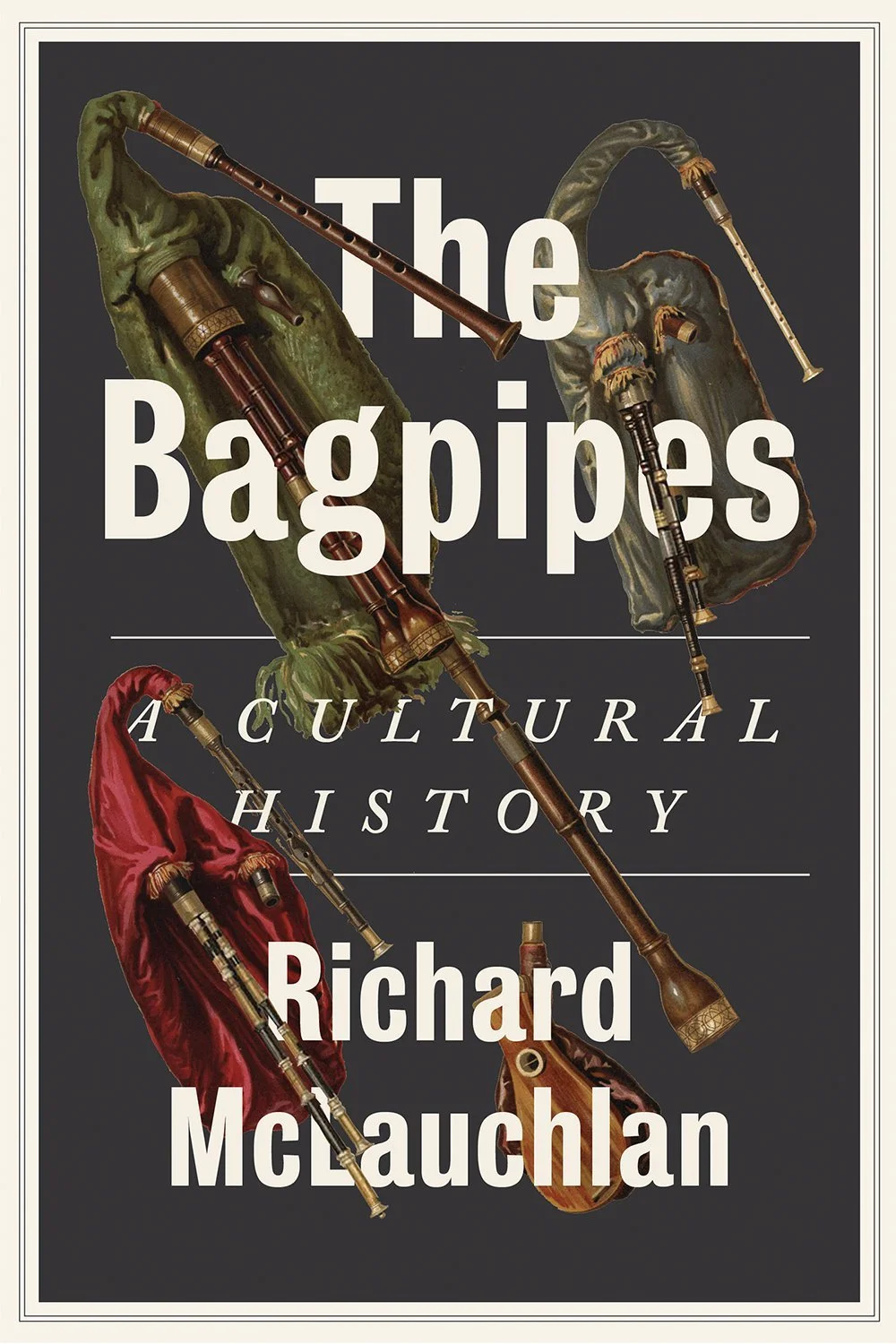
The Bagpipes: A cultural history by Robert McLauchlan $45
A diverse history of the pipes from inspiring terror on battlefields to enriching cultures worldwide. In the early second century CE, someone was described as playing a pipe “with a bag tucked under his armpit”. That man, the first named piper in history, was the Roman Emperor Nero. Since then, this improbable conflation of bag and sticks has become one of the most beloved and contested instruments of all time. When another piping emperor, Tsar Peter the Great, watched his pet bear take its last breath, he decided the creature would live on as a bagpipe. This rich and vivid history tells the story of an instrument boasting over 130 varieties, yet commonly associated with just one form and one country: Scotland, and its familiar Great Highland Bagpipe. In fact, the pipes are played across the globe, and their story is a highly diverse one, which illuminates society in remarkable, unexpected ways. Richard McLauchlan charts the rise of women pipers; investigates how class, privilege and capitalism have shaped the world of piping; and explores how the meaning of a 'national instrument' can shift with the currents of a people's identity. The vibrancy and inventiveness characterising today's pipers still speak to the potency of this fabled and once feared instrument, to which McLauchlan is our surefooted guide. [Hardback]
”Historically insightful and full of character. Captures the essence and beauty of piping's vibrant culture with historical, musical and characterful insight.” —Finlay MacDonald
”Richly entertaining and perceptive. A revelation in how an instrument can transform culture.” —Alastair Campbell
>>Pibroch at Braemar.

GET YOUR COPY
 

The Monster in the Lake by Leo Timmers $30
In this larger-than-life picture book, Eric the duck is nervous to swim in the lake for fear a monster might live there, but he bravely follows his friends and discovers something spectacular indeed lives beneath the surface. Four ducks are tired of their small pond and set out for an adventure in the big lake. Walking at the back, Eric isn't sure. He’s heard there’s a monster in the lake, but his friends don’t believe a word of that old story! Eric reluctantly tags along, only to make a startling discovery and find himself in a wonderful underwater adventure. This large-format picture book features a detailed fold-out underwater world of mechanical marvels and sea creatures. The story of a nervous duck who finds courage and the overconfidence of groups will resonate with anyone who’s nervously dipped a toe in unknown waters. [Hardback]
>>Look inside!

GET YOUR COPY
 
BROWSE OTHER NEW RELEASES
VOLUME BooksNew releases
PLAYTHINGS by Alex Pheby — reviewed by Thomas

Freud’s consideration of the case of the judge Paul Schreber, and his book Memoirs of My Nervous Illness  (1903), was instrumental in the formulation of the modern construct of paranoid schizophrenia, and Schreber’s experience, treatment and interpretation have been rigorously explored and debated by Deleuze, Guatarri, Canetti, Lacan, Calasso and others. Playthings, a novel by Alex Pheby, depicts, sometimes horrifically, sometimes with humour or beauty, sometimes ironically, Schreber’s descent into and experience of madness: his inability to achieve the culturally determined overarching perspective that enables us to function without being overwhelmed by minor details, observations and experiences (of course, none of us do this especially well; our ability to ‘function’ determines which side of our society’s line of ‘madness’ we exist on); his inability to integrate his experiences into ‘useful’ concepts of time and causality; his inability to see others as persons or to interpret their intentions and actions in ways that fit with shared concepts of the patterns of intentions and actions, and his projection of suppressed psychological material onto such others (this dehumanisation of those seen as ‘other’ is a manifestation of the mechanisms by which socially inter-confirmed mass paranoia presented itself as fascism in Germany a few decades later). “It was nothing to him, because they were all nothing. Fleeting-improvised-wretched-plaything-human-beings. Puppets, soul-less automata, clicking and whirring and chirruping to each other on a flat street of false houses and dust blown by the perishing cold wind.” As Pheby zooms in and away from Schreber’s experience, playing always with the issues of perspective that lies at the core of his illness, leaving us uncertain which side of the line between madness and sanity we are experiencing or what constitutes ‘reality’, we as readers become aware of ourselves as the author’s plaything. The key mechanisms of schizophrenia are the key mechanisms of literature; it is only our ability to close the book that keeps us sane.

GET YOUR COPY
THE LOFT by Marlen Haushofer — Review by Stella

This psychologically charged novel is a slow burn. Haushofer hypnotises us with the banality of suburbia — housework is a not only a constant occupation for our narrator, but also described in detail — and then awakens us to the trauma, both personal and societal, underpinning a week in the life of a middle-aged woman in 1960s Austria. On Sunday, she argues with Hubert, her husband, about the tree outside their bedroom window, an argument on repeat. He insists it is an acacia — she says an aspen, but maybe an elm. Their middle-age married life is one of habit and company, but also they appear estranged. Into this predictable existence, a disturbance from the past intrudes. A diary: its pages arriving in the mail over the week unsettle the woman. It’s her diary, an account of living away from civilisation, away from her husband, and small child, about twenty years ago. Who is sending them to her we never know, but she has her suspicions. Banished to the woods by her mother-in-law and by her husband to recover from a psychosomatic deafness as a young woman, her words on the page send her into a flurry of tasks — anything to avoid looking straight on. It is only in exhaustion that she has the courage to read, in private, in her loft, and then to take these pages to the cellar to burn. Both facing her past and expunging it. We are left in the dark, feeling our way, our ear attuned to a narrative not altogether reliable. A woman who, in spite of her fondness for Hubert, is trapped in a marriage and the expectations of being wife, mother, daughter. Here there is loneliness, repression and frustration. Her work as an illustrator has been stymied. Hubert admires her drawings and allows her time in the loft, but lacks understanding, relegating her art to a hobby. Like her two years in the woods, the loft symbolises both freedom ( à la ‘a room of one’s own) as well as threat. Here perfection does not come, she is restless and paces the floor. Is it the ‘mad woman in the attic’ or a woman recognising a truth? It’s the 1960s and the war still looms large. An amnesia has crept in, pushing against truth with attempts to relegate the war to acceptable stories, to move on and away from a collective guilt. The desire to forget, to repress the trauma at both a personal and societal level, drives the banality forward. The diary-entry arrivals in the letterbox disturb this illusion. Both threat and release, they insist on being recognised. For a book about trauma and seeking truth, The Loft is surprising wry. Haushofer’s final book is tautly written (well translated), strangely compelling, and a novel that comes into fuller focus when you step a little aside, as if the narrator has trained you to see the world as she does.

Visit the Loft
LISTEN TO STELLA'S R.N.Z. MICRO-REVIEW
NEW RELEASES (12.11.25)

All your choices are good! Click through to our website (or just email us) to secure your copies, and we will dispatch your books by overnight courier or have them ready to collect from our door in Church Street, Whakatū.

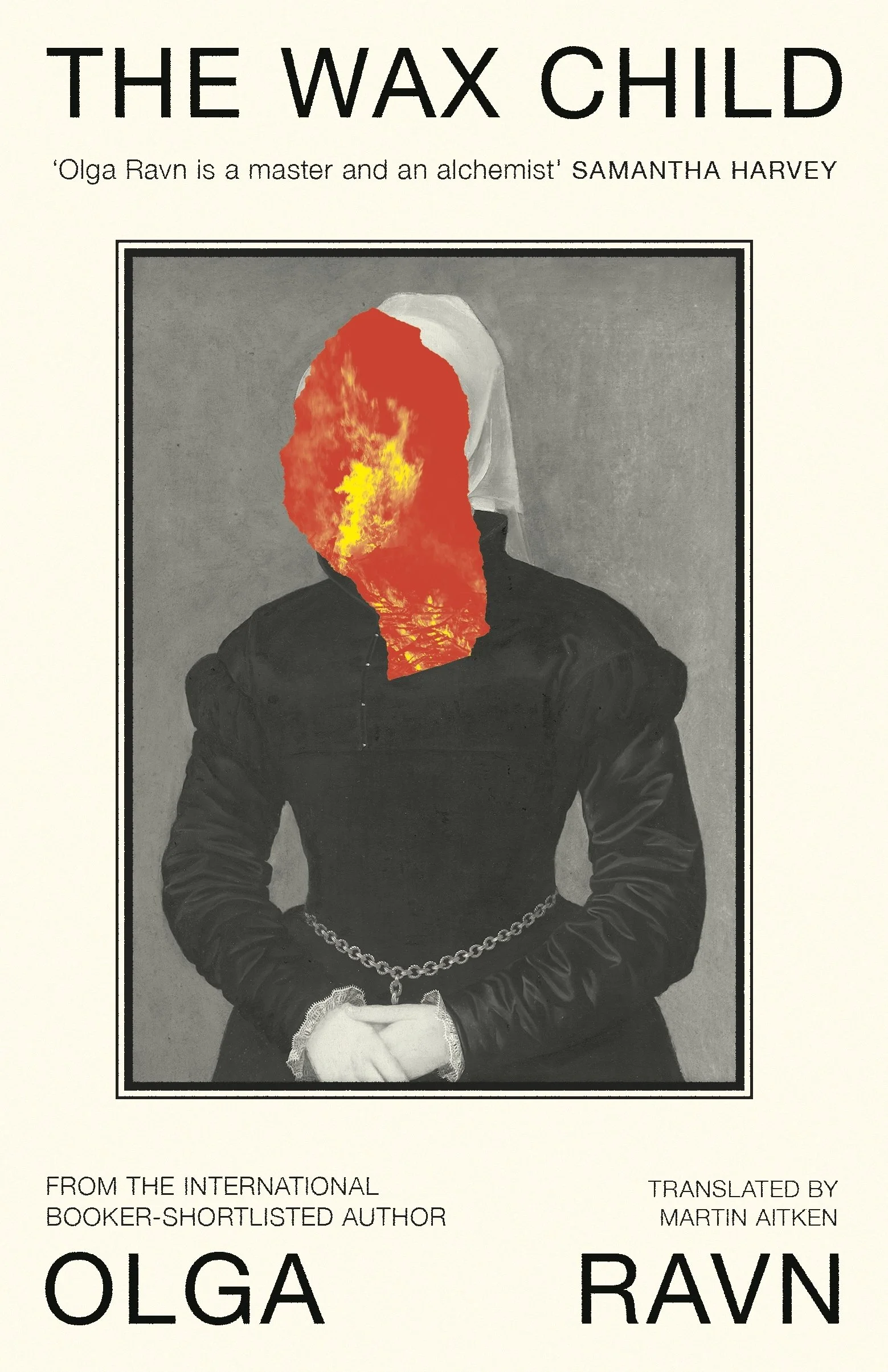
The Wax Child by Olga Ravn (translated from Danish by Martin Aitken) $40
It was a black night in the year 1620 when Christenze Krukow made the wax child, when she melted down beeswax and set it in the image of a small human. For days, she carried it tucked beneath her arm, shaping it with the warmth of her flesh, giving it life. She fashioned for it eyes and ears that cannot open, and yet — it watches and listens. It looks on as Christenze is haunted by rumour, it hears what the people whisper. It sees how, in the candlelight, she gazes with love at her friends, and hears the things they say in the shadows. It knows pine forest, misty fjord and the crackle of the burning pyre. It observes the violence in men's eyes and the cruelty of their laws. In time, it begins to understand that once a suspicion of witchcraft has taken hold, it can prove impossible to shake. Based on an infamous seventeenth century Danish witch trial, The Wax Child is a mesmerising, frightening vision of a time when witches and magic were as real to the human mind as soil and seawater. [Hardback]
”Olga Ravn is a master and an alchemist. There's nobody else doing quite what she does.” —Samantha Harvey
”I gulped The Wax Child down and dreamed wild dreams about it. Just brilliant.” —Max Porter
”Addictive and unsettling.” —Claire-Louise Bennett
”An instant classic that feels passed down from centuries ago and yet utterly unique, fresh, and modern. Another stunning, surreal journey from an author who seems to never disappoint.” —Jeff VanderMeer
The Wax Child has emerged from an imagination that is wild, visionary, and absolutely original. It is beautiful, eerie, sublime, and, like a fingerprint or a snowflake, only one of its kind. Olga Ravn is a roof-raisingly brilliant writer.” —Neel Mukherjee
>>Fragmenting the novel.
>>Witch trials and wax narrators.
>>Everyone asks.
>>Where is the first person?
>>Books by Olga Ravn.

GET YOUR COPY
 

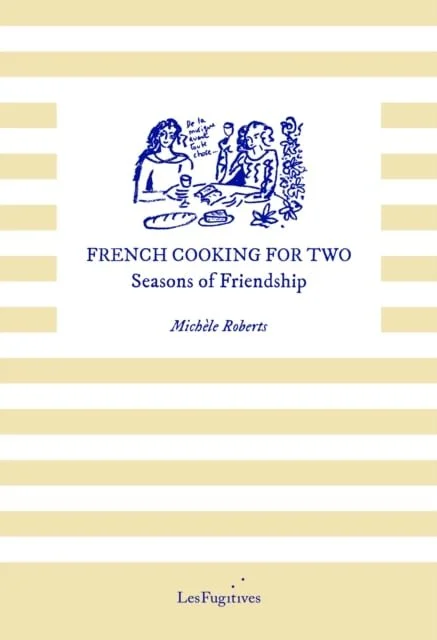
French Cooking for Two: Seasons of Friendship by Michèle Roberts $48
Friendship has its own distinctive seasons, constantly changing and evolving, just as the years revolve. Cooking for a friend, you can show your affection in a direct, practical way. Composing a menu to suit or intrigue a particular beloved person, you are demonstrating how well you understand and appreciate them. This book is divided into three overlapping seasons, following the 1929 classic La bonne cuisine by Madame Saint-Ange. In each section you will find dishes and suggestions appropriate to the season as well as ideas for particular seasonal moments, such as sardine sandwiches à la Colette, designed to be packed into bicycle baskets for picnics. These recipes are designed to be straightforward to follow so you can concentrate on your guest rather than dashing between stove and table. As with Roberts’s first cookbook, French Cooking for One, the book bursts with personal observations and anecdotes and is in itself a good friend to spend time with. [Paperback with French flaps]
Reviews of French Cooking for One:
”An enduring delight for readers and cooks alike.” —Nigella Lawson
”Mussel salad with ravigote sauce. Rabbit with mustard. Steak with bordelaise sauce. So many micro feasts, and every one of them nourishment for body and soul. Most of the recipes, short and uncomplicated, aim to deliver the perfect effort-to-taste ratio; if she has an Elizabeth David-like briskness on the page, she's also a sensualist, a part-time sybarite. But even if you're not in the mood for cooking, simply to read them is to encourage rumination. She is such a noticing writer, and in her hands you find yourself doing the same, a dowdy cauliflower suddenly beautiful, a slab of marbled meat a world unto itself.” —Rachel Cooke, Observer
”This slender volume insists that food for one should be simple yet delicious. Drawing on memories of her French grandmother's cookery, Roberts' recipes are elegant and — mostly — quick to prepare: celeriac croquettes, trout with almonds, or sausages with apples and cider. A delightful little book.” —Constance Craig Smith
>>French Cooking for One.

GET YOUR COPY
 

Autobiography of Death by Kim Hyesoon (translated from Korean by Don Mee Choi) $45
I thought to myself that I needed to sing death, perform a rite for death, write death, then bid farewell to it. The way to send death away was to sing with my own death all the death in the sky and on the ground.
The title section of Kim Hyesoon's visceral Autobiography of Death consists of forty-nine poems, each poem representing a single day during which the spirit roams after death before it enters the cycle of reincarnation. The poems not only give voice to those who met unjust deaths during Korea's violent contemporary history, but also unveil what Kim calls “the structure of death, that we remain living in”. Autobiography of Death at once re-enacts trauma and narrates death — how we die and how we survive within this cyclical structure. In this sea of mirrors, the plural 'you' speaks as a body of multitudes that has been beaten, bombed, and buried many times over by history. The volume concludes on the other side of the mirror with 'Face of Rhythm', a poem about individual pain, illness, and meditation. [Paperback with French flaps]
”In the grievous wake of the Sewol Ferry incident of 2014, the Korean poet Kim Hyesoon composed a cycle of forty-nine poems — one for each day the dead must await reincarnation — to produce a harrowing work of shock, outrage, and veneration for the children lost to this disaster. Through Don Mee Choi's extraordinary translations, we hear the clamorous registers of Hyesoon's art — a transnational collision of shamanism, Modernism, and feminism — yield 'a low note no one has ever sung before.' That otherworldly tone may sound like life itself, the poet sings, ‘for even death can't enter this deep inside me’.” —Griffin Prize Judges
>>Knives and carcasses.
>>A will left in the scribbles.
>>The female grotesque.

GET YOUR COPY
 

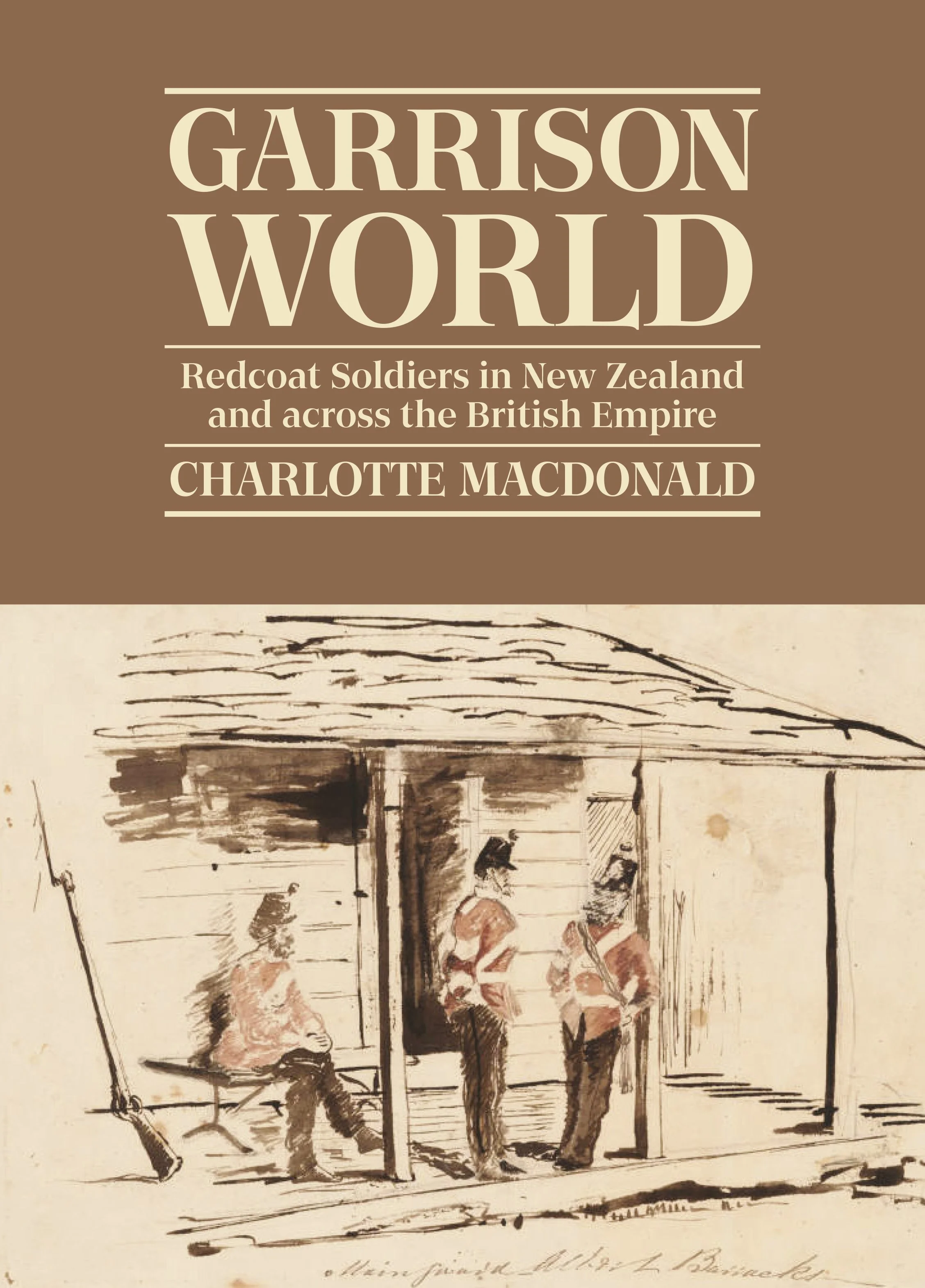
Garrison World: Redcoat soldiers in New Zealand and across the British Empire by Charlotte Macdonald $70
The pivotal year of 1870 brought down the curtain on the redcoat garrison world at both the metropolitan and colonial ends of the empire. In fewer than forty years, less than a lifetime, Aotearoa had gone from being a Māori world in which rangatira dominated, to a colony in which the settler state was in control of the economy, politics and people’s social destiny. Garrison World explores the lives of soldiers, sailors and their families stationed in Aotearoa New Zealand and across the British empire in the nineteenth century. Spanning the decades from 1840 to 1870, this major new history from Charlotte Macdonald places the New Zealand Wars within the wider framework of imperial power. It shows how conflict and resistance throughout the empire, from rebellion in India to the Morant Bay uprising in Jamaica, were connected to the colonial project in New Zealand. At the centre of this history are the thousands who served in the British military — from rank-and-file soldiers and bluejackets drawn from working-class Britain and Ireland, to officers from elite backgrounds who purchased their commissions. Their presence in New Zealand was vital to the imposition of imperial control, both during times of war and in the intervening years when the garrison underpinned a fragile settler economy and society. Through rich archival detail and personal accounts, Garrison World traces the structures, experiences and legacies of military occupation. Acknowledging the impact on Māori communities and whenua, the book offers a critical and unflinching account of how imperial authority was imposed — and often violently asserted. This is a compelling and significant contribution to understanding the reordering of power that shaped Aotearoa in the nineteenth century. Nicely presented and fully illustrated. [Hardback]
Garrison World brings together the histories of soldiers, wars and physical violence with the appropriation of land and attacks on Indigenous culture so vital to settlement and colonisation. A story of the exercise of power, vividly told in part through the lives of the ‘redcoats’, those foot soldiers who provided the binding threads of imperial power.” —Catherine Hall, Emerita Professor of History, Chair of the Centre for the Study of the Legacies of British Slavery, University College London
”Charlotte Macdonald deploys formidable scholarship, lucid writing and pertinent images to create a spell-binding exploration of the intersecting lives of soldiers and civilians during the New Zealand wars. The result is a magnificently well-informed, readable and enthralling book.” —Atholl Anderson, Emeritus Professor, Australian National University; Adjunct Professor, Ngāi Tahu Research Centre, Te Whare Wānanga o Waitaha— University of Canterbury
”A large number of imperial soldiers and sailors were stationed in New Zealand in the mid-nineteenth century, but beyond their involvement in fighting, their wider impact has remained little understood — until now. Garrison World brings this history to light through impeccable scholarship and dazzling insight. An essential work for anyone interested in understanding our past.” —Vincent O’Malley, historian and author of The Great War for New Zealand: Waikato 1800–2000
Richly illustrated and elegantly written, Garrison World is a pleasure to read. It offers a social history of the British army that looks beyond battles, focusing on the everyday lives and worldviews of soldiers and sailors. By tracing their role in New Zealand, India and Jamaica, the book reveals the deep interconnectedness of conquest, settlement and imperial power.” —Sekhar Bandyopadhyay, Emeritus Professor of History, Te Herenga Waka— Victoria University of Wellington
”A compelling account of the soldiers and sailors who were the cutting edge of British colonialism. This richly peopled history immerses the reader in the lives of these military men and illuminates how they reshaped New Zealand, with enduring consequences. It offers a critical new vantage point on our colonial past.” —Tony Ballantyne, Professor of History, Ōtākou Whakaihu Waka—University of Otago
>>Look inside.

GET YOUR COPY
 

Giving Birth to My Father by Tusiata Avia $30
My father has been chipping himself down since he arrived here, he is half man and half vessel, readying for the journey to Hawaiki.” Giving Birth to My Father is about learning to live with a loss that seems simply too heavy to bear. First, Tusiata Avia tells the imagined story — the one of how things should go — followed by the story of what really happens. As her father travels through his last days and into the arms of his tupu'aga, transformed, the family gathers around him with their love and raw need, and their suffering turns to storm clouds. For Avia, his death is a beginning. Parent and child have switched places as the river carries them downstream, and she sees her father with new eyes. But this is also a time of not knowing to whom she belongs and where she will be welcome now. This is an extraordinarily rich poetic work about grief and renewal that will rearrange its readers. Giving Birth to My Father takes in a world of family and memory, including a sequence of poems about a much-loved brother as he faces a life-threatening injury. It is a book about ways of holding one another even after we are gone. [Paperback]

GET YOUR COPY
 

Minority Rule: Adventures in the Culture War by Ash Sarkar $39
We live under minority rule. But who is the ruling minority? Most of us are getting screwed over. Our world is defined by inequality, insecurity, lack of community and information overload. As the world burns, mega-corporations are reporting record profits. How are they getting away with it? 'Minority rule' is the term Ash Sarkar uses to describe the irrational fear that minorities are trying to overturn and oppress majority populations. In her eye-opening debut, she reveals how minority elites rule majorities by creating the culture wars that have taken over our politics, stoking fear and panic in our media landscape. Because despite what they'll have you believe, antiracist campaigners aren't actually silencing the 'forgotten' working class, immigrants aren't eating your pets, trans-activists aren't corrupting your children, and cancel culture isn't crushing free speech. In Minority Rule, Sarkar exposes how a strategic misdirection of blame over who is really screwing everything up is keeping the majority divided, while the real ruling minority of hedge fund managers, press barons, landlords and corporations remain on top. And it's facilitating one of the biggest power grabs in history. Most crucially, she shows us how what we really have in common is being concealed by a deafening culture of distraction — and that the first step towards a better future is understanding what is happening now, and how we got here. [Paperback]
”One of the boldest and most exciting thinkers of her generation.” —Naomi Klein
”Delivers its message with punch and panache. A joy to read.” —Guardian
An exegesis of the playbook of the right. Sarkar is one of the most refreshing, salient voices on the left. For many progressives, the last decade has felt like something akin to a slow descent into madness, or falling victim to a collective, large-scale gaslighting campaign. With spectacular clarity and genuine wit, Sarkar puts her arm around their shoulders, offers a little tough love, and invites them to step out of the mist. If leftists feel they have been stumbling around in the darkness, Minority Rule flicks on the light.” —Standard
>>The future of politics.

GET YOUR COPY
 

Out of the Blue: Essays on artists from Aotearoa New Zealand, 1985—2021 by Christina Barton $50
In a collection spanning her career, highly regarded art historian and curator Christina Barton reminds readers of the art writer’s essential quandary: how to put the visual, material, sensory and temporal into words. “The project of art writing is at once argumentative and invested,” she writes, “self-doubting and ambitious, flawed yet with its own beauty (at its best).” Published in partnership with Te Pātaka Toi Adam Art Gallery, Out of the Blue gathers 37 essays devoted to artists from Aotearoa New Zealand. These are artists whom Barton — entering the art-writing fray in the 1980s, a time of widespread intellectual upheaval — has thought about, worked with and written for, from her first piece on artist and filmmaker Claudia Pond Eyley, published in 1985, to a foreword written in 2021 about sculptor Paul Cullen. They form a small but telling subset of her work, and provide readings that not only anatomise the nature of each artist’s work but also demonstrate the ideas that have been in play as art has unfolded here in Aotearoa. Artists discussed include Jim Allen, Edith Amituanai, Billy Apple, Bruce Barber, Shane Cotton, Bill Culbert, Pip Culbert, Julian Dashper, Bill Hammond, Louise Henderson, Frances Hodgkins, Zac Langdon-Pole, Maddie Leach, Vivian Lynn, Julia Morison, Kate Newby, Pauline Rhodes, Marie Shannon, Shannon Te Ao and Ans Westra. [Paperback]
Out of the Blue offers readers generous insight into the evolution of one of Aotearoa New Zealand’s most respected art writers. What comes through for me – with unequivocal consistency – across the arc of time we travel in these essays, is Barton’s sheer love of art. This book stands as a testament to her enduring commitment to thinking and writing about art, and the complex nature of its entanglement with the world.” —Kirsty Baker

GET YOUR COPY
 

New Zealand Photography Collected: 175 years of photography in Aotearoa by Athol McCredie $90
xpertly curated, and showcasing images taken between 1850 and 2025, this book is an essential reference that honours artistic legacies and explores our identity as a nation. Together these photographs tell stories about life in this country from almost the earliest days of European colonisation and about how the practice of photography has evolved here. When it was first published in 2015, New Zealand Photography Collected was a landmark book, captivating audiences. In this fully revised and enriched edition, of the more than 400 images, almost half are new, reflecting the dynamic and increasingly diverse nature of the collection, allowing for previously unseen treasures, and enabling familiar works to be recontextualised with fresh insights. [Large-format hardback]
>>Look inside!

GET YOUR COPY
 

Hoods Landing by Laura Vincent $35
Rita considered the dead. Shut her eyes. Rolled their names around her brain. Stacked each person in order like folded laundry, warm and crisp from the sun. She wondered how her name would sound amongst them. In the rural reaches of Auckland, the women of the eclectic Gordon family gather for Christmas. They may push each other’s buttons, but know precisely when to offer tea (or a tipple). Rita, the 50-year-old baby of the family, is planning to tell them she has cancer. Drifting between past and present, she considers the lives of women in their community and reckons with what it all means for her future and her family. Featuring elderly lesbians, twins who aren’t twins, and several dogs named Roger, Hoods Landing is about shoddy pasts, ambiguous futures and the imperfect bonds that tie family together. [Paperback]
“This is a deeply affecting book. Vincent seamlessly and skilfully weaves the aesthetics of film, musical, opera, food and the occult to create a work about love and death like no other I can remember. This compelling work breaks new ground in the literary landscape of Aotearoa.” —Pip Adam
>>The best place to read, &c.

GET YOUR COPY
 

The Heretic of Cacheu: Struggles over life in a seventeenth-century West African port by Toby Green $65
In 1665 Crispina Peres, the most powerful trader in the West African slave trafficking port of Cacheu, was arrested by the Inquisition. Her enemies had conspired to denounce her for taking treatments prescribed by Senegambian healers — the djabaks. But who was Peres? And why was the Portuguese Inquisition so concerned with policing the faith of a West African woman in today's Guinea-Bissau? In The Heretic of Cacheu Toby Green takes us to the heart of this conundrum, but also into the atmosphere of a very distant time and place. We learn how people in seventeenth-century Cacheu built their houses, what they wore, how they worshipped — and also the work they did, how they had fun, and how they healed themselves from illness. Through this story, the haunting realities of the growing slave trade and the rise of European empires emerge in shocking detail. By the 1650s, the relationship between Europe, West Africa, and the Americas was already an old one, with slaving entrepots, colonies, and military bases interweaving over many generations. But Cacheu also challenged the dynamic. It was globally connected to places ranging from China and India to Brazil and Colombia, and women like Crispina Peres ran the town and challenged the patriarchy of empire. For the first time, through the surviving documents recording Peres's case, we can see what this world was really like. The Heretic of Cacheu is an extraordinary act of historical recovery. It is the story of a seventeenth-century West African woman, but also of the shifting, sophisticated world in which she lived — its beliefs, values and people. [Hardback]
”A stunning global history of West Africa, The Heretic of Cacheu weaves together the tragic histories of the Inquisition and the Atlantic slave trade. Drawing on archival research in three continents and presenting transformative new arguments in a profoundly moving narrative, with this new tour de force, Green confirms himself as the most innovative historian, writer, and thinker of his generation.” —Ana Lucia Araujo

GET YOUR COPY
 

Herscht 07769 by László Krasznahorkai (translated from Hungarian by Ottilie Mulzet) $40
The Nobel laureate’s breathtaking new novel about neo-Nazis, particle physics, and Johann Sebastian Bach. The gentle giant Florian Herscht has a problem: having faithfully attended Herr Köhler's adult education classes in physics, he is convinced that disaster is imminent. And so, he embarks upon a one-sided correspondence with Chancellor Angela Merkel, to convince her of the danger of the complete destruction of all physical matter. Otherwise, he works for the Boss (the head of a local neo-Nazi gang), who has taken him under his wing and gotten him work as a graffiti cleaner and also a one-room apartment in the small eastern German town of Kana. The Boss is enraged by a graffiti artist who, with wolf emblems, is defacing all the various monuments to Johann Sebastian Bach in Thuringia. A Bach fanatic and director of an amateur orchestra, he is determined to catch the culprit with the help of his gang, and Florian has no choice but to join the chase. The situation becomes even more frightening, and havoc ensues, when real wolves are sighted in the area. Written in one cascading sentence with the power of atomic particles colliding, Krasznahorkai's novel is a tour de force, a morality play, a blistering satire, a devastating encapsulation of our helplessness when confronted with the moral and environmental dilemmas we face. [Paperback]
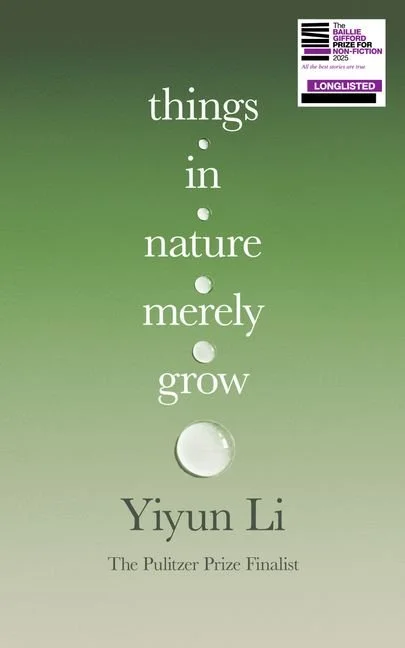
"Krasznahorkai's work offers, to a degree rare in contemporary life, one of the central pleasures of fiction: an encounter with the otherness of other people. He's a universalist cut loose from the shibboleths of humanism." —Garth Risk Hallberg, The New York Times
"The best new novel I have read this year is written in a single sentence that sprawls over 400 pages. Herscht 07769 by the Hungarian genius Laszlo Krasznahorkai is an urgent depiction of our global social and political crises, rendering our impotent slide into authoritarianism with compassionate clarity. It is also a book whose timeliness derives precisely from the way its unusual style disrupts the ordinary literary mechanics of time. A masterful study in what it means to keep trudging through a world that is always ending but will not end." —Jacob Brogan, The Washington Post
>>Find out more about the Nobel Laureate in Literature.

GET YOUR COPY
 
BROWSE OTHER NEW RELEASES
VOLUME BooksNew releases
Winner of the 2025 Booker Prize: FLESH by David Szalay

Szalay uses his signature spare prose to unsparing effect in this novel that aligns surface and depth, style and plot to portray a protagonist unable to achieve agency in a world that expects him to dominate. “You have no way of knowing whether these experiences that you’re having are universal or entirely specific.”
“David Szalay’s novel follows István from his teenage years on a Hungarian housing estate to borstal, and from soldiering in Iraq to his career as personal security for London’s super-rich. In many ways István is stereotypically masculine — physical, impulsive, barely on speaking terms with his own feelings (and for much of the novel barely speaking: he must rank among the more reticent characters in literature). But somehow, using only the sparest of prose, this hypnotically tense and compelling book becomes an astonishingly moving portrait of a man’s life.” —Booker Prize judges’ citation
”I don’t think I’ve read a novel that uses the white space on the page so well. It’s as if the author, David Szalay, is inviting the reader to fill the space, to observe — almost to create — the character with him. The writing is spare and that is its great strength. Every word matters; the spaces between the words matter. The book is about living, and the strangeness of living and, as we read, as we turn the pages, we’re glad we’re alive and reading — experiencing — this extraordinary, singular novel.” — Roddy Doyle, Booker judges spokesperson
Find out more:

GET YOUR COPY
TRACTATUS PHILOSOPHICO-POETICUS by Signe Gjessing — reviewed by Thomas

For some reason it had become a habit for him to write his reviews of books in the style of the books themselves, or as near a style as he could manage, a habit or an affectation, he wasn’t sure which, but this habit or affectation, if it was indeed a habit or an affectation, did have a serious intent, and was therefore not really a habit although it still could be an affectation, in that he somehow seemed to believe that a review written in the style of the subject of the review might reveal to him, and possibility to the readers of the review if there chanced to be any readers of the review, if such things could be left to chance, really such things were always left to chance, what was he saying, he seemed to believe that a review written in the style of the subject of the review might reveal something otherwise unnoticed or essential or incidental about the book in question, perhaps he was attempting to remove himself from a position of agency or of responsibility for the review by enticing, if that is the word, the book to write a review of itself. Form generates content, he shouted, frightening the cat, I want to write like a machine, I want to tinker with form until it purrs like a literary motor, then I will be able to put anything at all into the hopper, switch it on, and out comes literature. The cat was quick to resettle, she was used to this kind of excitement. If I were to write a review of Signe Gjessing’s Tractatus Philosophico-Poeticus in the form of Signe Gjessing’s Tractatus Philosophico-Poeticus I would also be writing it in the form of Ludwig Wittgenstein’s Tractatus Logico-Philosophicus, he thought, I would be writing it in the form of  Ludwig Wittgenstein’s Tractatus Logico-Philosophicus because Signe Gjessing has written her book in the form of Ludwig Wittgenstein’s Tractatus Logico-Philosophicus, in order, he thought, to see what kind of poetry could be generated by such a form, in order to use form as a machine for the generation of text, in order, he thought, to test the limits of language, to see what it is and is not good for, just like Wittgenstein, or just like Wittgenstein thought he was doing at the time he wrote that book. If Wittgenstein made no distinction between form and content, the same must be true of poetry, he thought. If for Wittgenstein the limits of knowledge are the limits of language, what are we to say of poetry, always straining as it does, or as it should, he thought or thought that perhaps he thought, into the unsayable? If Wittgenstein sought the limit of what can be said, through progressing out linguistically from the obvious towards that limit, pushing at it and establishing it, he thought, he entails that beyond that limit there exists not nothing but rather that about which nothing can be said. What cannot be said is signified by the complete exhaustion of that which can be said. Gjessing also is obsessed with the limit with which Wittgenstein was at the time he wrote his book obsessed, but she stands at that limit as if from the habitat beyond, both Wittgenstein and Gjessing are concerned to discover the nature of the limit inherent in language, if there is such a limit and such a limit is inherent, but Gjessing wants, he thought, to destroy that limit or even to show that the destruction of the limit inherent in language is itself inherent in language. He had written in his bad handwriting in his notebook that Gjessing had written in the introduction to her book that “The poem is a modification of the universal — as though the sayable were an incapacity of the unsayable,” and, he thought, Gjessing is running Wittgenstien’s machine in reverse to see what poetry comes out. If the world is comprised not of things but of states of affairs which are the grammatical relations between things, there is no reason to think that that which is not the case is not governed by or, he thought, even generated by this universal grammar. Texts are comprised not of words but of grammar, he shouted, but the cat was long gone. Well, he thought, if I was going to write my review of Signe Gjessing’s Tractatus Philosophico-Poeticus in the form of Signe Gjessing’s Tractatus Philosophico-Poeticus, I should have started earlier, I should have started, as does Gjessing, as does Wittgenstein to whose text Gjessing’s text is a response and a rejoinder, with a number of numbered statements on the first level to which another number of statements numbered to the first decimal respond or are implied and to which another number of statements numbered to the second decimal respond or are implied and so on until perhaps the fourth decimal or what we could call the fifth level, I’m not exactly sure if this is clear, a shining rack of cogs used in Wittgenstein’s case to generate philosophy, if he believed at that time there even was such a thing, and in Gjessing’s case to generate poetry, or whatever we might choose to call it, if I had written my review like this, he thought, what would I have written? Perhaps if I can devise such a grammatical machine to write reviews, a machine I can just turn upon any text, I can perhaps be relieved of certain of my duties, except perhaps to now and again apply a little oil, and perhaps get sometimes earlier to bed. 

GET YOUR COPY
THE EMPUSIUM by Olga Tokarczuk — reviewed by Stella

From the opening pages, its gothic lettering contents page, an image of a carriage arriving in a small mountain village surrounded by forests, the looming buildings of the sanatorium, you feel as if you have entered the opening scenes of Nosferatu. Olga Tokarczuk’s novel The Empusium, subtitled A Health Resort Horror Story, builds intrigue from the outset. It’s 1913, a year before great turmoil, and curing tuberculosis is all the rage. Our young Polish hero, Mieczyslaw Wojnicz, has been sent to the Silesian village of Gorbersdorf for the fresh air, the cold baths and the expert advice of Dr.Semperweiss. The sanatorium is popular and full. Wojnicz takes a room at the more economical Guesthouse for Gentlemen run by the unseemly Optiz with help of a rugged lad, Raimund. Here his fellow guests, after a day of health procedures and walks in the village, sit down to dinner together. It’s an evening of conversation, often arguments, about existence, human behaviour, psychology, and politics; as well as the purpose of women or more accurately their flawed views on the inferiority of women. This topic of conversation, much to the surprise and annoyance of Wojnicz, who they take pleasure in warning and teasing, is a frequent and recurring theme, helped along by a local specialty, a mushroom-infused liquor — the hallucinatory effects fueling the conversation, as well as driving the gentlemen towards introspection. Wojnicz’s fellow housemates include a serial returnee who seems driven by ennui, a humanist bent on lecturing our dear young hero, a young student of art (dying), and the aptly nicknamed The Lion, his bombastic nature making him easy to dislike. Thrown into this dysfunctional playground, the timid Wojnicz is unnerved, and this is not helped by a suicide by hanging on his first day in the house. A house with strange creakings, with cooing in the attic and the whoosh of that new thing, electricity. Not to mention the horror chair with straps in the room upstairs, the graves in the cemetery with an abundance of November death dates, and the uncanny behaviour of the charcoal burners in the forests. Secrets abound, and Wojnicz has several of his own he’s keeping close to his chest. Tokarczuk builds this multi-layered tale from snippets of Greek mythology, the new ideas of the period (think Freud) and as a response to Thomas Mann’s The Magic Mountain (published 100 years ago). Like Drive Your Plow Over the Bones of the Dead there is a mystery here, a fizzing at the edges, black humour, and a deadly serious exploration of ideas.  While Drive Your Plow is pushing the idea of eco-activist in response to harmful tradition, The Empusium is examining the misogyny of the 20th century canon and by extension the influence of these writers, philosophers and psychologists on the contemporary intellectual landscape. To counter the conversations of the ‘gentlemen’, there is a wonderful sense of being watched, that things are not what they seem, and justice will be done. In Greek mythology, the Empusai were shapeshifting creatures. Appearing as beautiful women they preyed on young men, and as beasts devoured them. Beware of those that have one leg of copper, and the other, a donkey’s. As Wojnicz finds the Guesthouse increasingly repressive, the rigours of treatment intrusive, the hallucinogenic effects of liquor to be avoided, and the tragic decline of the young man Thilo unbearable, he also finds in himself a strength as to date untapped. Whether from curiosity, delusion, avoidance of his own fraught familiar relationships, or an unconscious desire to live, our hero explores the depths of the house and the village in an attempt to discover what drives the men of this village to act so horrifically. Add into this rich psychological horror, rich, fetid descriptions of the forest, its minutiae, the fungi and foliage, an atmospheric mindscape grows. Reading The Empusium is like looking through a telescopic lens, one that fogs over, but a twitch of the controls, and a whisk of a cloth, brings it all into sharp relief. If you haven’t read Tokarczuk, it’s time to start.

GET YOUR COPY
FIND OUT MORE
Book of the Week: MR OUTSIDE by Caleb Klaces

During a time of restricted movement, the narrator of Mr Outside visits his reclusive father Thomas who is packing up to move into a care home. As father and son grapple with the task, long-buried conflicts resurface. Thomas, a poet and former radical priest, slips between affection and fear, while the narrator struggles to find the words he’s been holding back. Yet amidst confusion and grief, moments of humour and connection emerge, as both men discover new ways to listen. Told through a striking combination of text and image, Klaces’ distilled novel explores the stories we tell about our lives, intimacy in crisis, and the fragile line between reality and delusion. Based on the life of his own father, Mr Outside is poignant, profound, and unexpectedly funny; a tender meditation on endings, the limits of understanding, and the act of letting go.

GET YOUR COPY